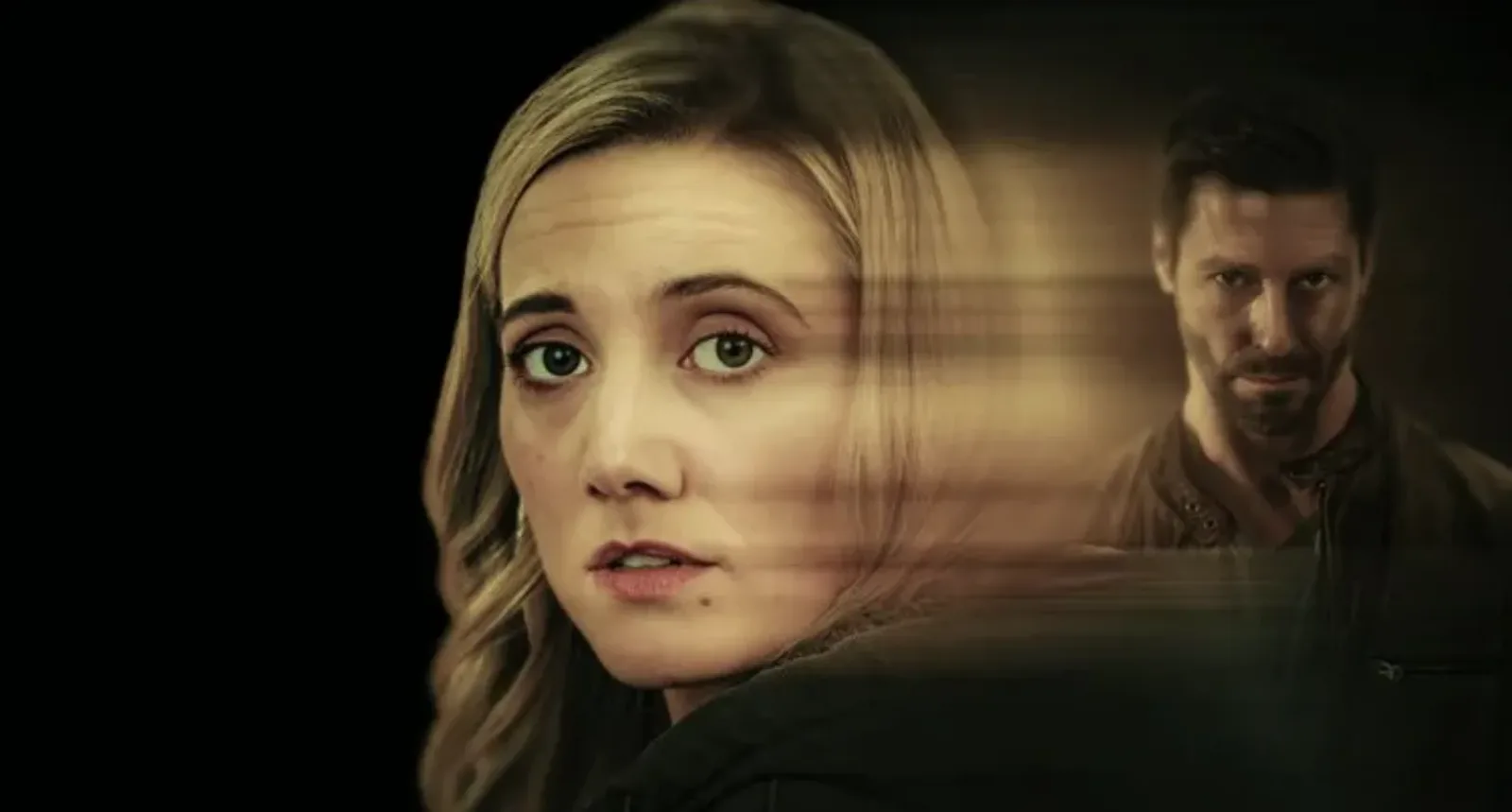
Hasta el Fin del Mundo Filming Locations and Cast Details
Hasta el fin del mundo begins where most love stories would ordinarily conclude: with two people who have already lost each other. Manuel and Esmeralda meet aboard a train in Spain in 1975, only for an accident to throw them into an intense romance. Their time together is cut short by the violence and political…
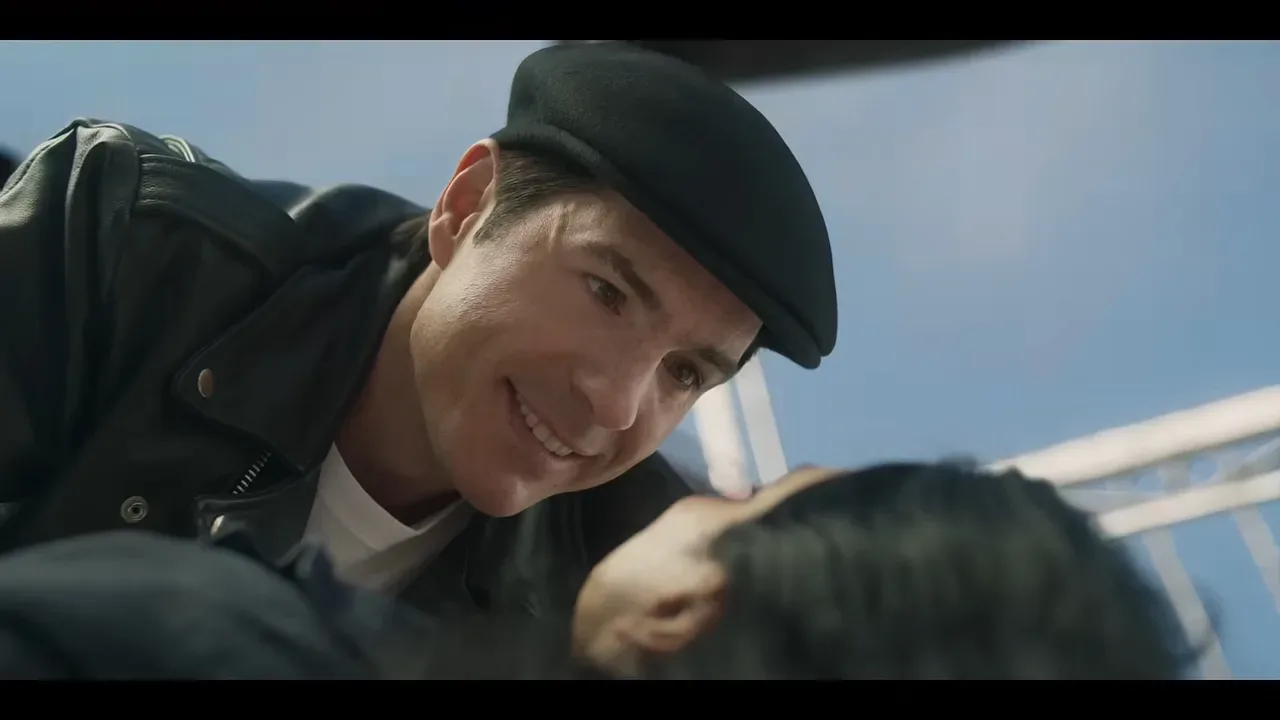
Hasta el fin del mundo begins where most love stories would ordinarily conclude: with two people who have already lost each other. Manuel and Esmeralda meet aboard a train in Spain in 1975, only for an accident to throw them into an intense romance. Their time together is cut short by the violence and political instability surrounding Francisco Franco’s regime. Fifteen years later, Manuel appears to have built a comfortable life and is preparing to marry another woman when an unexpected call sends him to Chihuahua and back into Esmeralda’s orbit.
Directed by Emiliano Castro Vizcarra, the Spanish-language romantic drama reunites Aislinn Derbez and Mauricio Ochmann on screen. The film arrived in Mexican cinemas on July 23, 2026. Although its story is set principally in Spain and Mexico, Derbez explained that the real-life experience behind the screenplay originally occurred in Argentina. The filmmakers eventually transferred that part of the narrative to Madrid because of the film’s international co-production structure.
Where was Hasta el Fin del Mundo filmed?
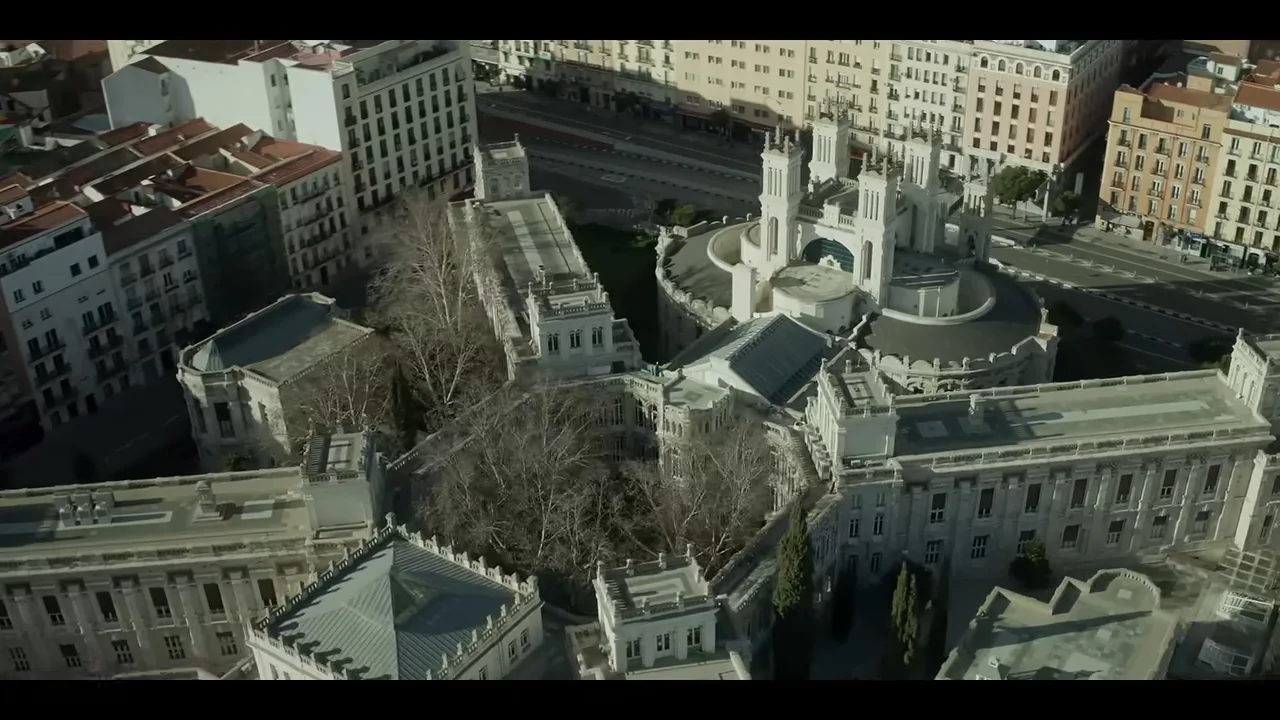
Madrid was the production’s principal filming base and the location where the crew spent the most time. Principal photography took place in early 2024, with the actors living in the Spanish capital for much of the production. Ochmann said he remained in Madrid for nearly three months, although part of that stay also covered work on another film.
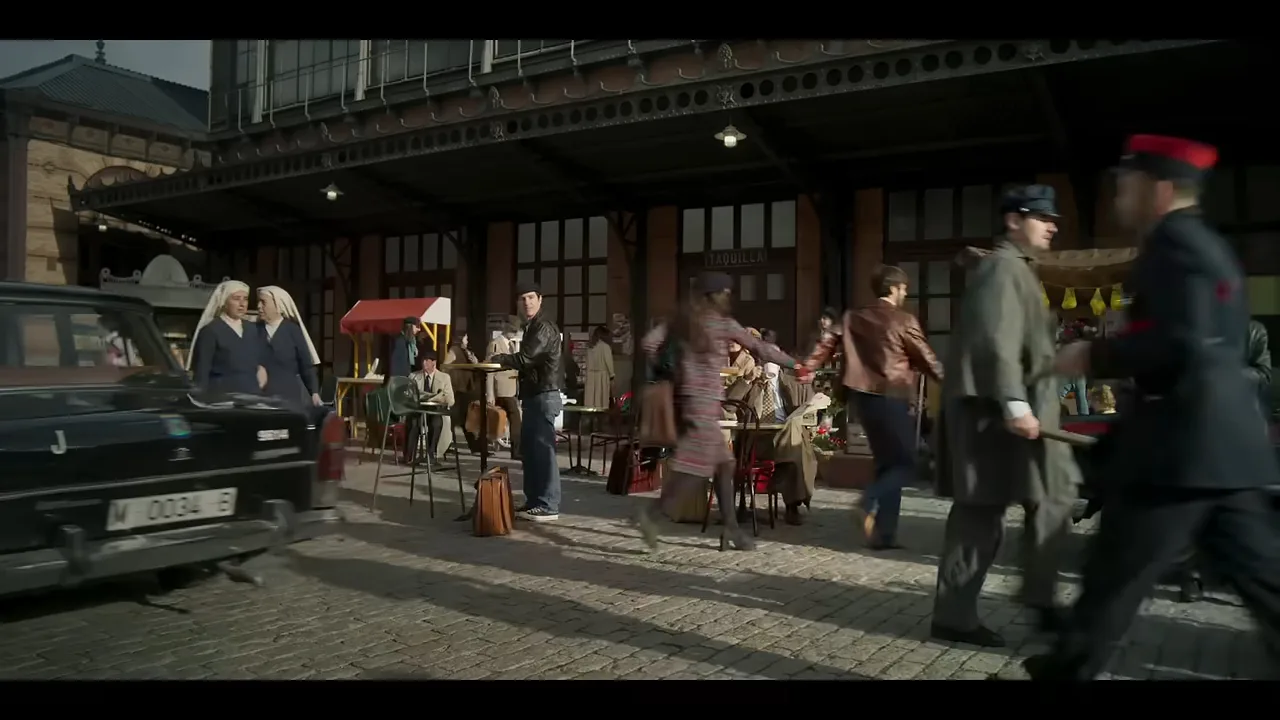
The city had a more complicated task than simply providing an attractive European backdrop. Madrid needed to represent two distinct periods, 1975 and 1990, while carrying the emotional history shared by Manuel and Esmeralda. Period vehicles, clothing, interiors and carefully controlled streets helped separate the younger characters’ first meeting from their later lives.

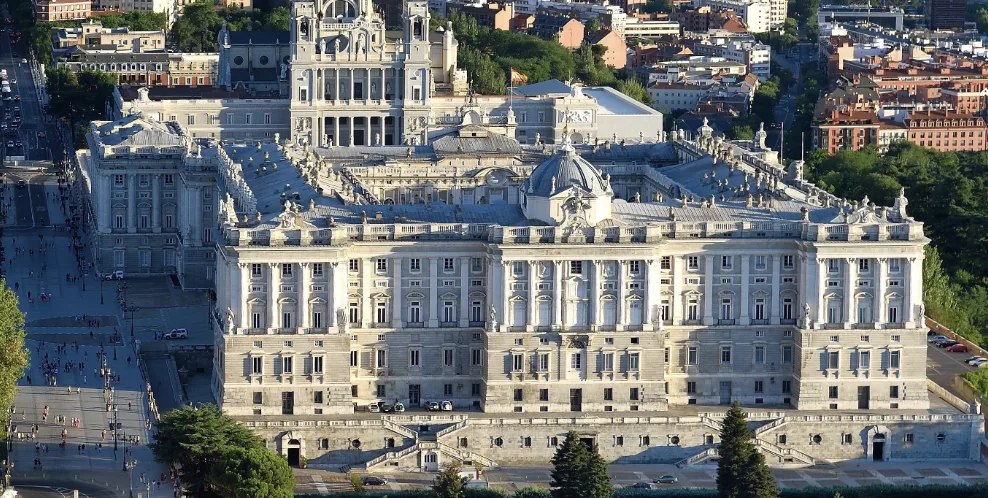
Palacio Real
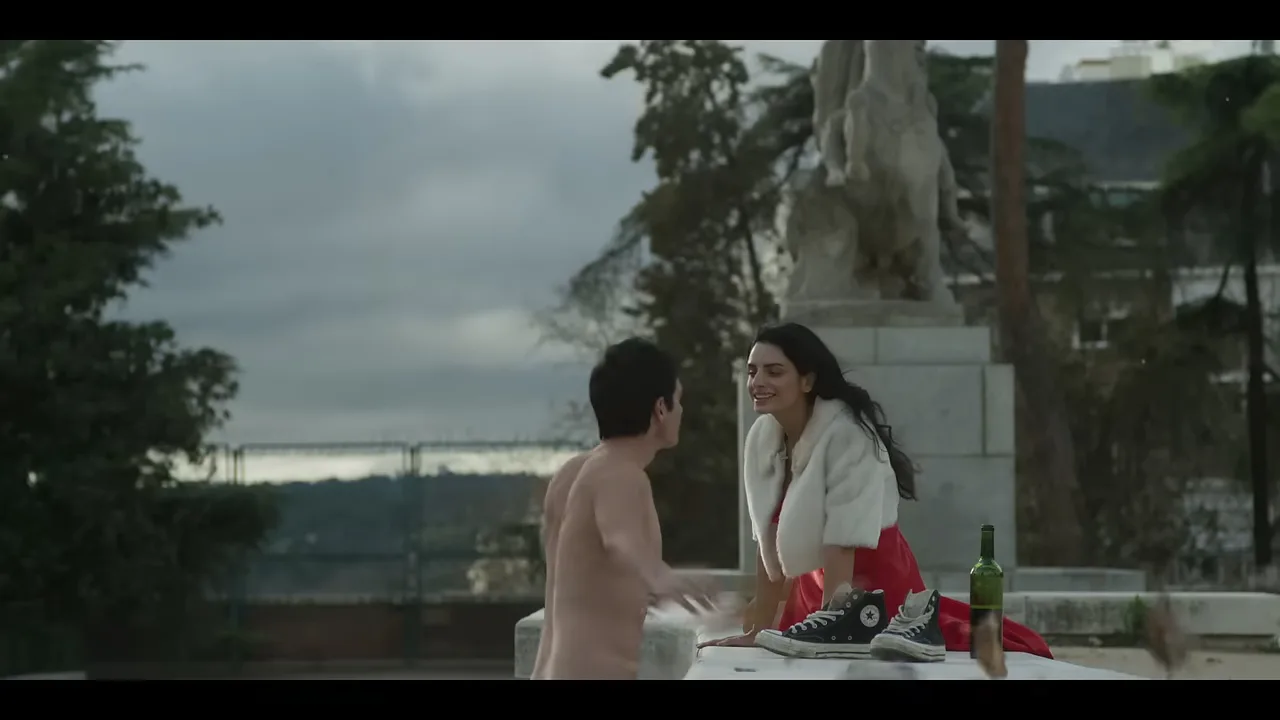
The Royal Palace of Madrid is the most clearly identified landmark used in Hasta el fin del mundo. Ochmann personally confirmed that a scene was filmed there, while later production coverage placed several romantic moments in the palace gardens and around its fountains.
One sequence required Ochmann to enter the water in his underwear as tourists watched from the surrounding public areas. Because the production had a relatively small crew, it could not completely close the heavily visited historic site. That left the actors performing an intimate scene while curious onlookers remained nearby, an awkward filming circumstance that should look considerably more private on screen.
The Train Crash
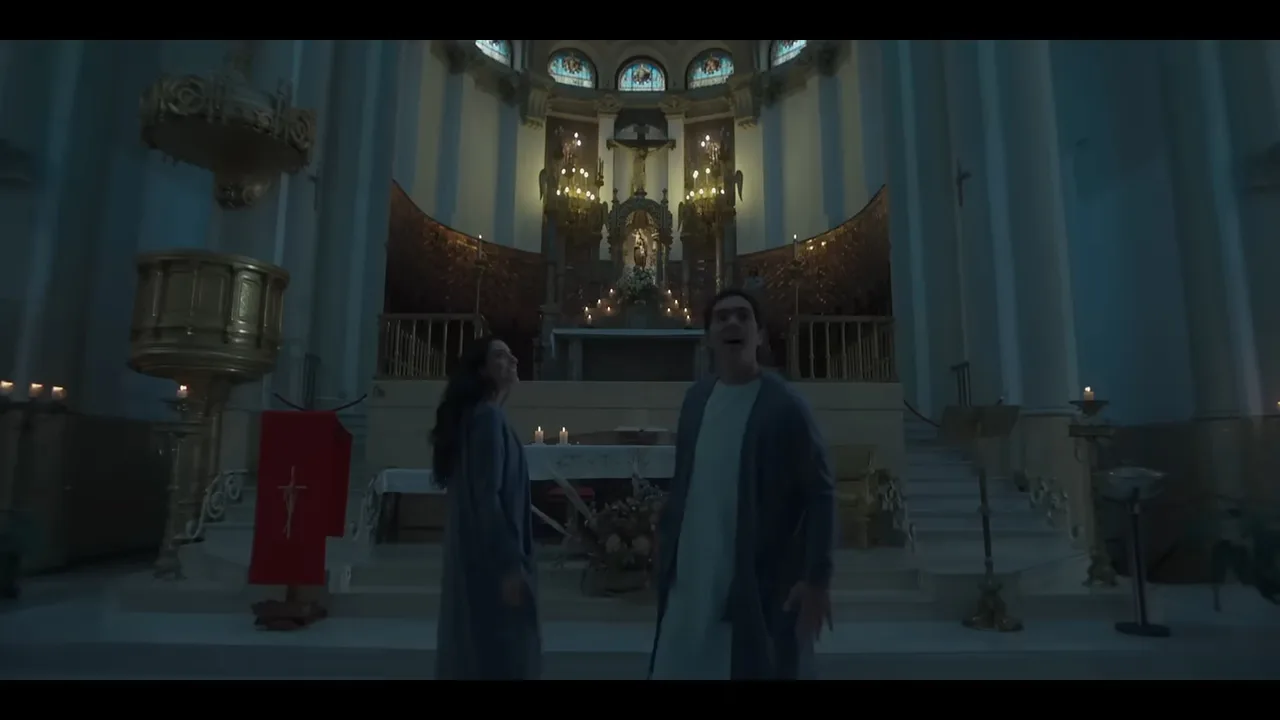
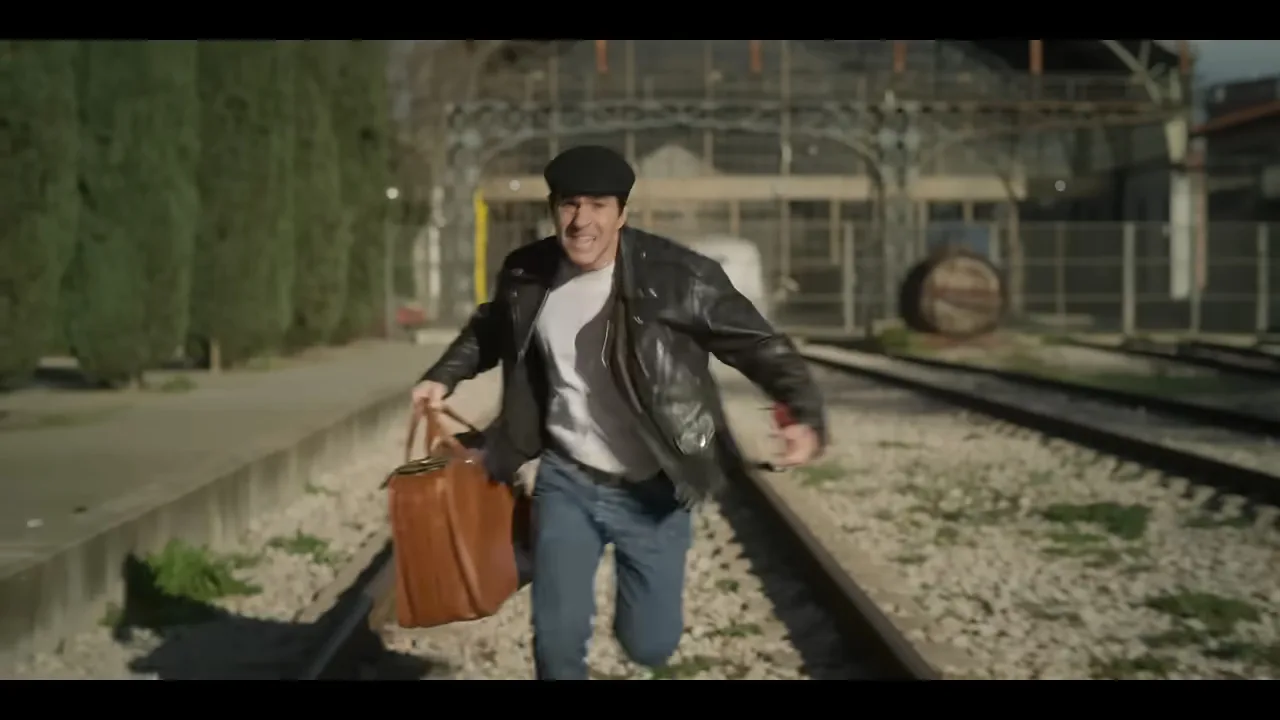
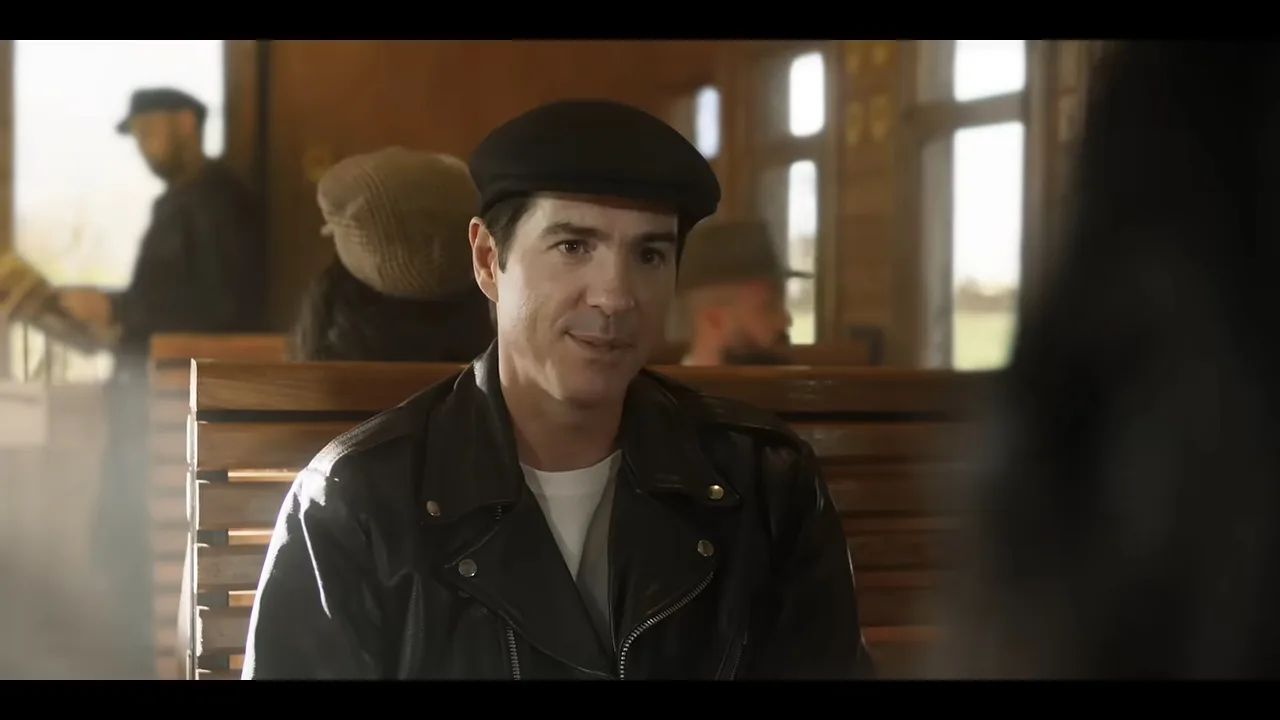
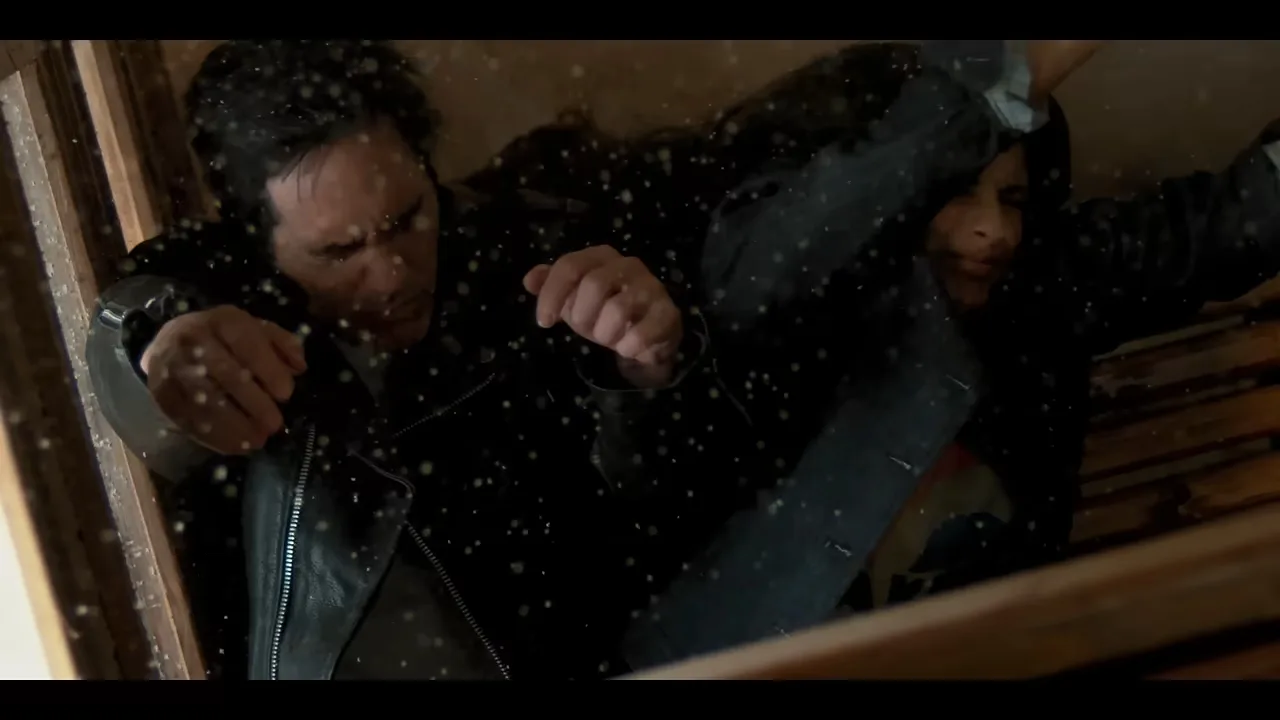
The train journey that brings Manuel and Esmeralda together was not created entirely on a moving railway. A major portion of the accident sequence was filmed inside an unnamed Madrid soundstage.
Aislinn Derbez shared behind-the-scenes footage of the mechanical equipment used to imitate the crash. The apparatus rotated the actors and part of the set, allowing the camera to capture the violent physical movement of a derailing carriage without placing the cast inside an actual train accident. Derbez described the sequence as one of the production’s most demanding stretches, particularly when the machinery turned her and Ochmann upside down. The exact studio facility has not been publicly disclosed.

Gran Canaria Streets
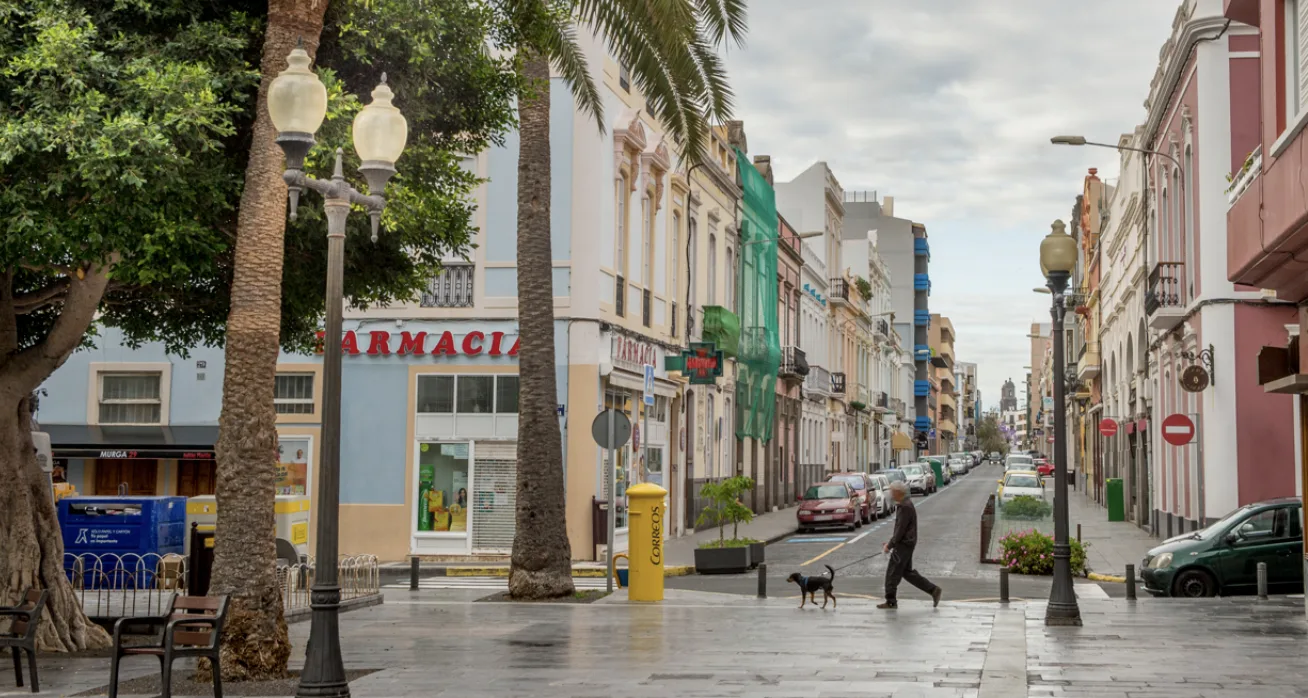
Filming later moved to Gran Canaria in the Canary Islands. One identifiable location was Calle Mayor de Triana in Las Palmas de Gran Canaria, a prominent commercial street in the historic Triana district. For the shoot, period cars were brought back onto the largely pedestrian avenue, immediately changing its modern appearance.
The vintage vehicles suggest that Triana was used for material belonging to the film’s 1970s or 1990 timeline. Production reports, however, have not revealed which city or specific story scene the street represents in the finished film.
Ochmann and his family also visited the Dunas de Maspalomas during their stay on Gran Canaria. That visit has occasionally been associated with the movie online, but the available interview only confirms that they explored the dunes while travelling for work. It does not establish Maspalomas as an actual filming location.
Finisterre, Galicia
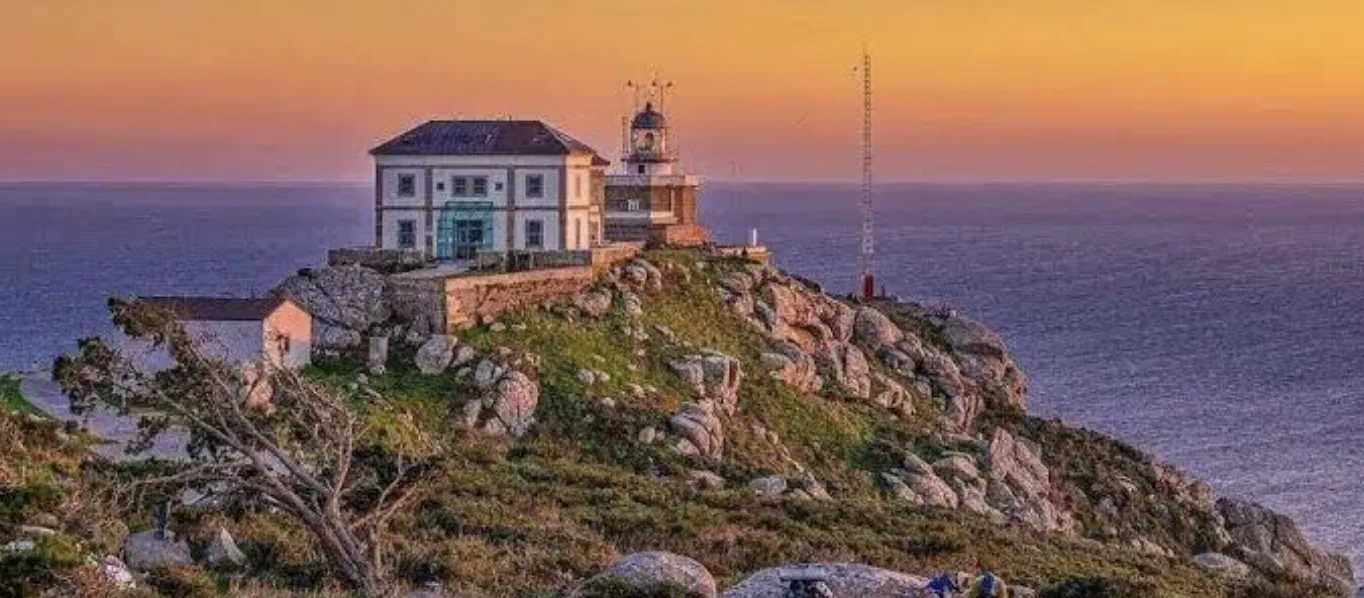
Finisterre, or Fisterra in Galician, has also been identified in premiere coverage as one of the Spanish filming areas. Its inclusion is especially fitting because Manuel and Esmeralda’s original train is connected to a journey toward Finisterre, a name derived from the Latin expression for the “end of the earth.”
The Galician destination therefore gives the movie’s title a physical meaning rather than functioning as a purely romantic phrase. No official production breakdown has specified whether filming took place in the town, at the cape or along the surrounding coast, so claims attaching the movie to a particular Finisterre lighthouse or beach remain unconfirmed.
Chihuahua and Baja California
The Mexican portion of the production included locations in Chihuahua and Baja California. Chihuahua is particularly important to the present-day storyline: Manuel travels there after receiving the call that reconnects him with Esmeralda. Nevertheless, neither the producers nor the cast have publicly identified the precise Chihuahua city, hospital, residence or street used for those scenes.
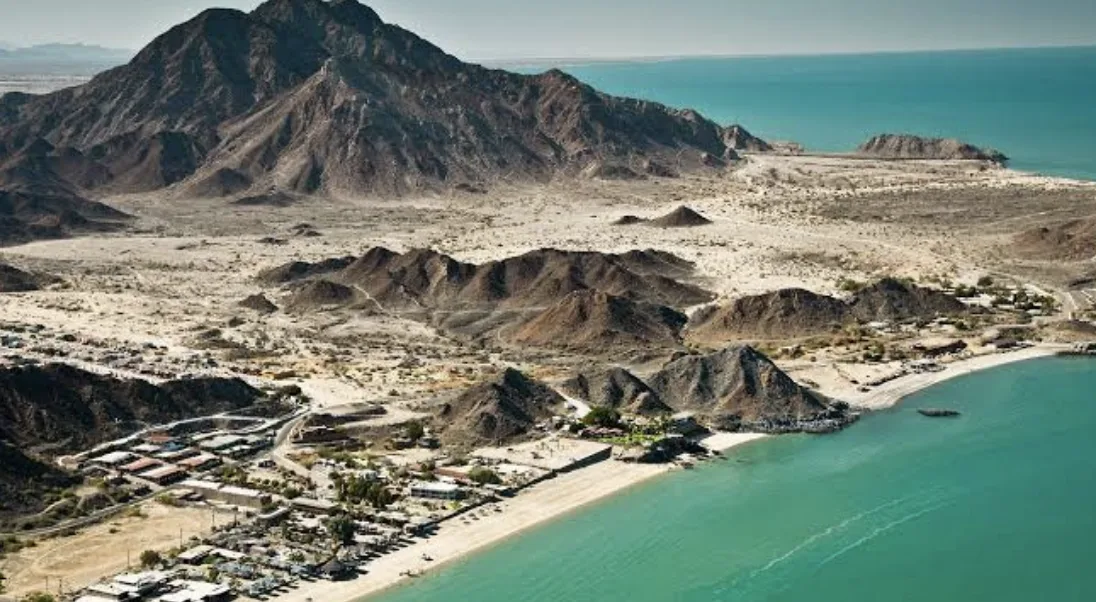
Baja California has a longer connection to the project. In December 2021, an early promotional shoot was staged at Laguna Salada, near the highway linking Mexicali with Tijuana. Contemporary reporting described that material as a sample intended to demonstrate Baja California’s production potential and help move the feature forward. It should therefore be distinguished from the principal 2024 shoot, even though later coverage confirmed that some material for the completed film was also made in Baja California. Tijuana was discussed as a possible destination during that early phase, but there is not enough evidence to list it as a confirmed location in the final cut.
Cast and Characters
Aislinn Derbez leads the film as Esmeralda, the woman whose brief relationship with Manuel continues to shape both of their lives. Derbez also served as an executive producer and spent years helping the project secure financing and reach production.
Mauricio Ochmann plays Manuel, who must reconsider his approaching marriage after Esmeralda reappears. Melina Figueroa portrays Cynthia, Manuel’s fiancée, and also co-wrote the screenplay. Daniel Pérez Prada appears as David Urquiza. The supporting ensemble includes Miguel Ángel Jiménez, Eduardo Santacruz, David Lora and Marta Molero.
Emiliano Castro Vizcarra directed the film from a screenplay credited to Castro Vizcarra, Figueroa and Mario Orozco. Ernesto Lomeli served as cinematographer, while Maria Vertiz composed the music.
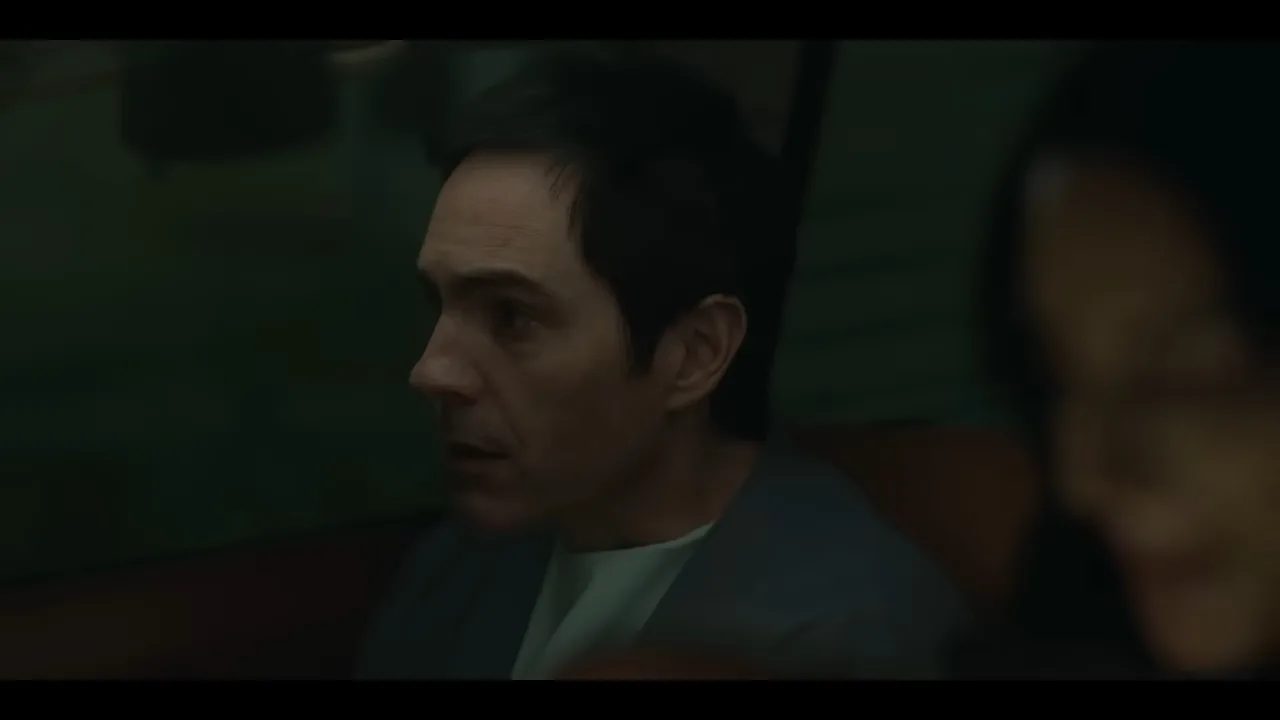
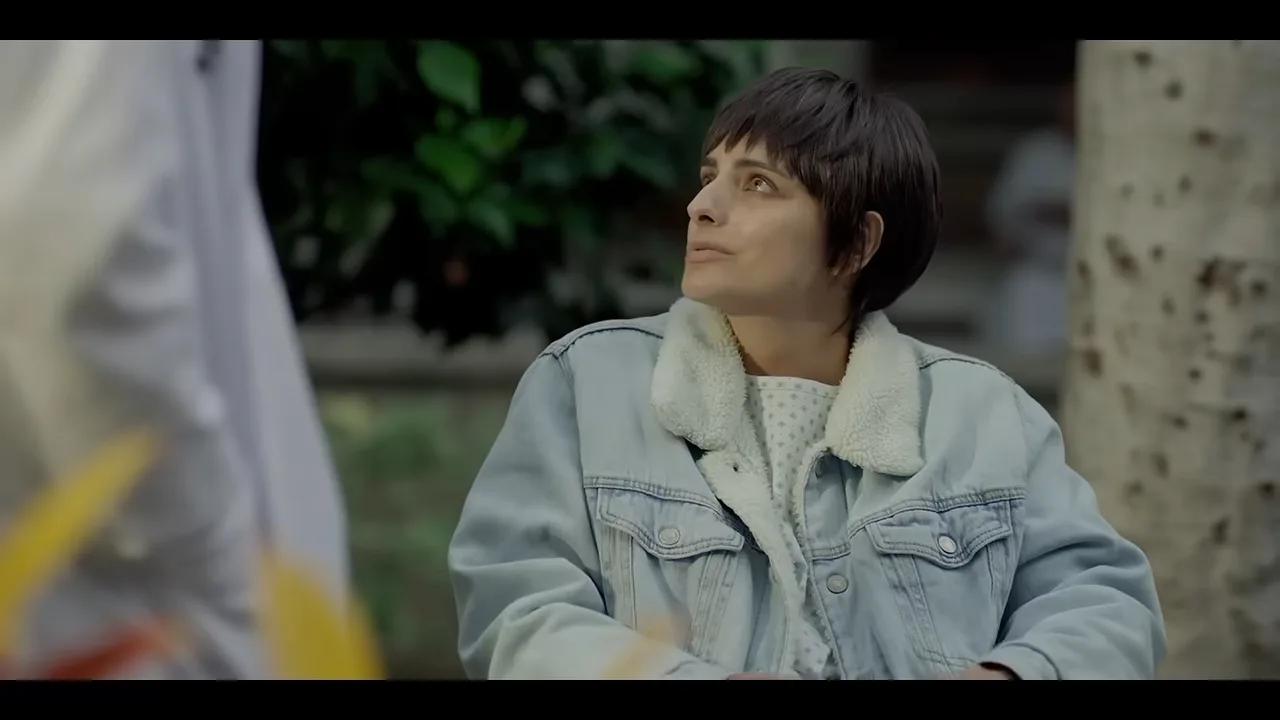
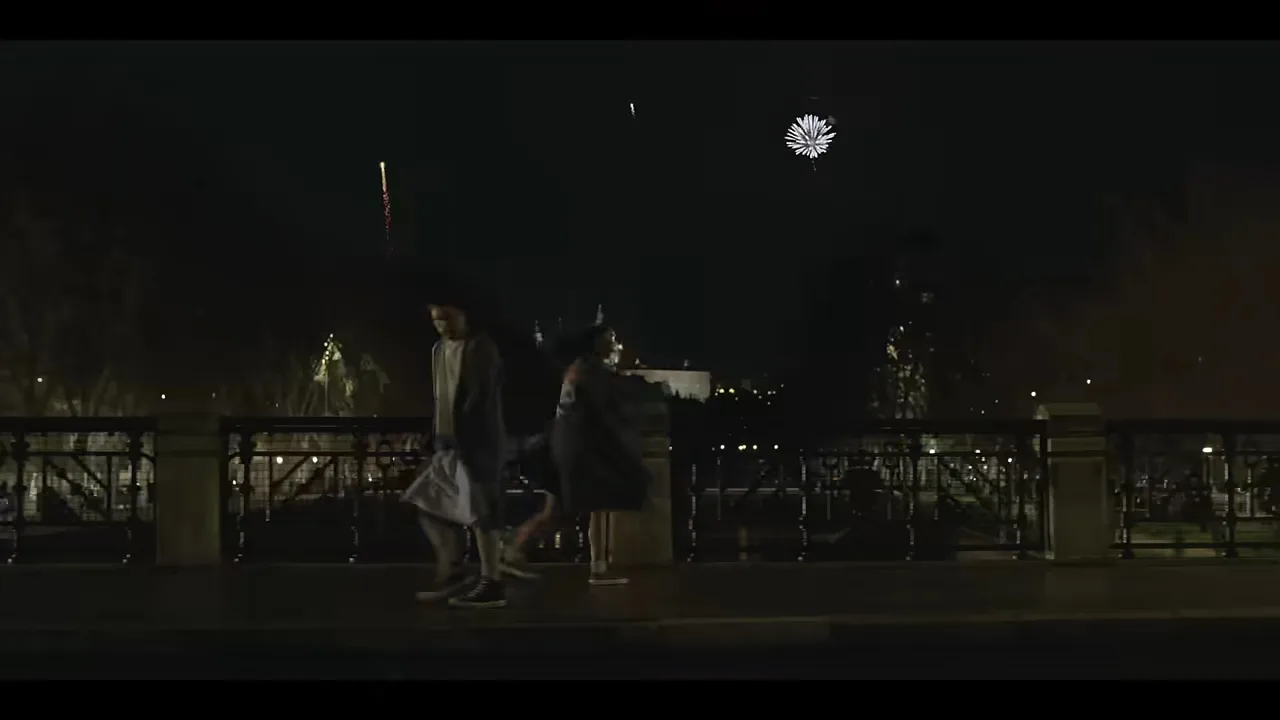
The production map of Hasta el fin del mundo mirrors its central relationship. Madrid holds the lovers’ shared past, Gran Canaria helps rebuild an earlier period, Finisterre gives their journey a destination, and northern Mexico becomes the place where unfinished history returns. For a film concerned with distance, memory and second chances, the locations are doing more than dressing the frame. They trace the considerable ground Manuel and Esmeralda must cross to find one another again.