Never Stop Chasing Filming Locations
“Never Stop Chasing” does not have filming locations in the conventional sense. There are no dressed streets pretending to be somewhere else and no soundstage standing in for Tornado Alley. Ken Cole’s documentary follows meteorologist Reed Timmer and Team Dominator into the places where violent storms are actually forming, sometimes with cameras rolling only a…
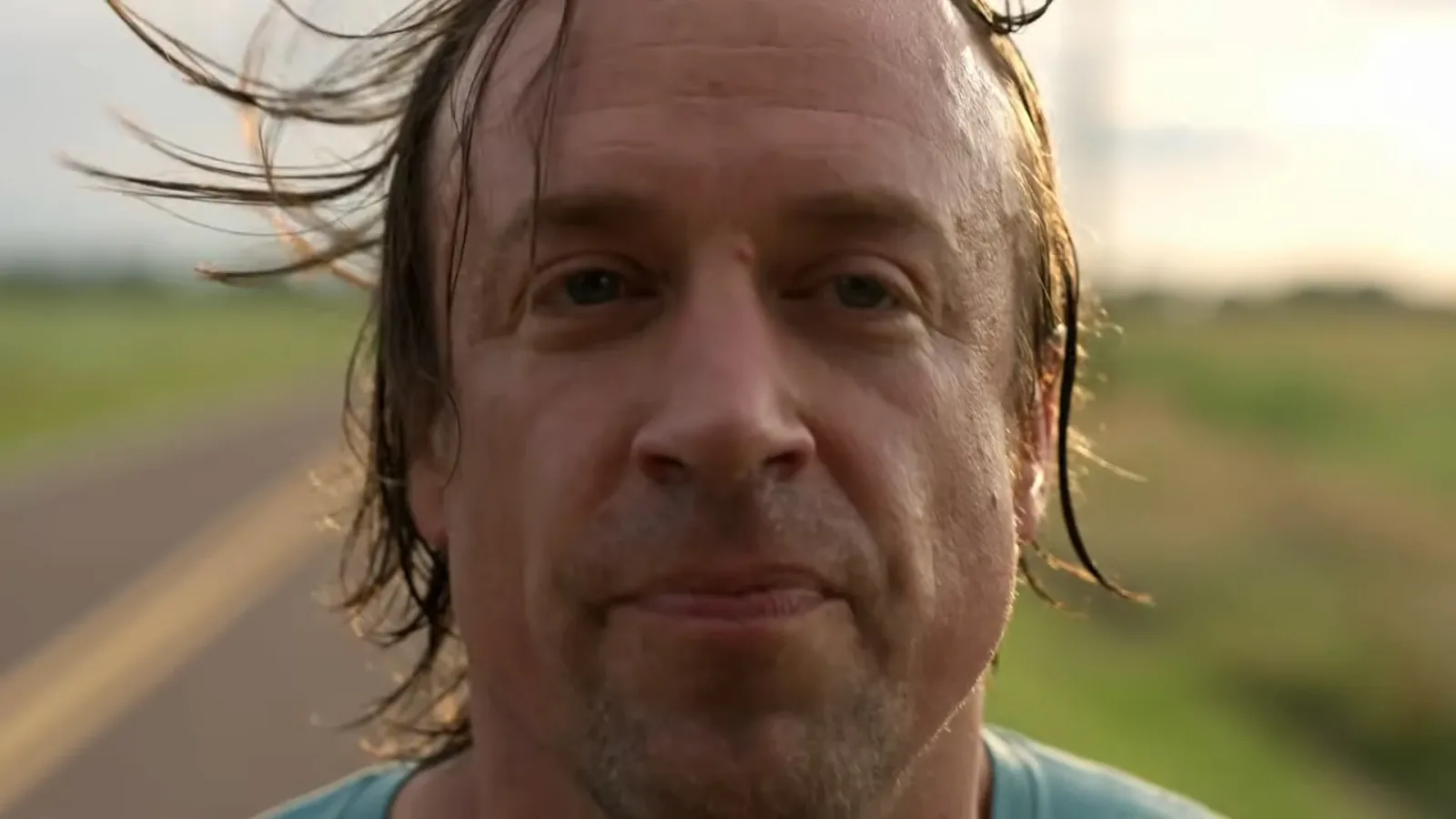
“Never Stop Chasing” does not have filming locations in the conventional sense. There are no dressed streets pretending to be somewhere else and no soundstage standing in for Tornado Alley. Ken Cole’s documentary follows meteorologist Reed Timmer and Team Dominator into the places where violent storms are actually forming, sometimes with cameras rolling only a short distance from the tornado itself. The 102-minute film combines newly captured material with footage drawn from Cole’s archive covering more than 20 years of chasing alongside Timmer.
That makes its production map unusually broad, but several locations can be identified with confidence. The most important are Greenfield in Iowa, Custer City and El Reno in Oklahoma, and Windthorst in Texas. These are not scenic stops chosen in advance by a location manager. The weather determined where the crew went.
Greenfield, Iowa
The most consequential location in “Never Stop Chasing” is Greenfield, Iowa, where the documentary’s climax was captured on May 21, 2024.
Timmer and his crew were originally pursuing the severe-weather outbreak with the armored Dominator 3, but an engine problem forced them into a rental vehicle. They continued the chase anyway and reached the tornado southwest of Greenfield, where Timmer and Mike Scantlin deployed a drone close to the circulation. The footage shows the tornado’s multiple vortices sweeping across rural Iowa and destroying wind turbines before the storm reached Greenfield.
The National Weather Service later rated the Greenfield tornado EF4 based on damage, with a roughly 44-mile path and five deaths along its route. The documentary’s aerial material ultimately became useful beyond the film itself. Scientists studied the high-resolution imagery alongside radar observations while examining the extraordinary winds inside the storm.
This section also changes the tone of the documentary. Greenfield is not simply where the crew captures spectacular tornado photography. Cole follows the aftermath and the human consequences of chasing something that may be scientifically fascinating while simultaneously destroying homes and lives.
Custer City, Oklahoma
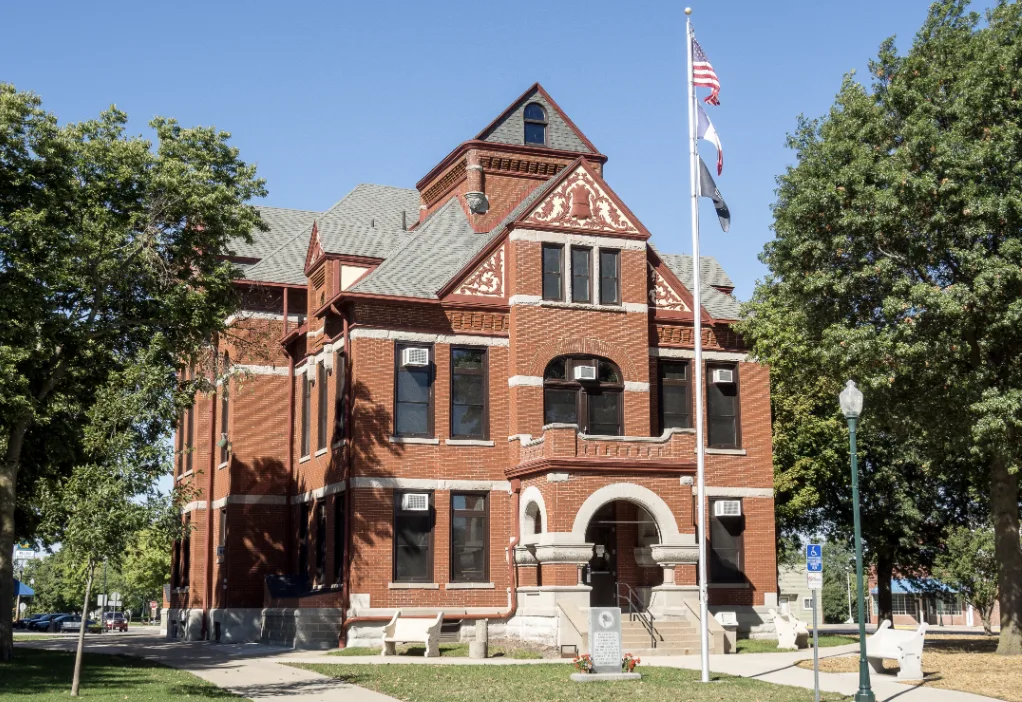
Another major sequence was filmed north of Custer City, Oklahoma, during the severe-weather outbreak of May 19, 2024.
The documentary’s official site includes production imagery specifically identified as the “Custer City Intercept,” while Timmer’s own posts from the chase show the Dominator 3 positioned in a ditch as a huge wedge tornado approached.
This is exactly the sort of location that explains how “Never Stop Chasing” was made. A traditional documentary crew might observe storm chasers from a safe distance. Cole’s field unit was operating inside the chase itself, using vehicle-mounted cameras, handheld cinema cameras and drones while Team Dominator maneuvered into position.
The production eventually employed a 22-camera verite setup, including Sony FX6 and FX3 cameras and aerial systems, to give the finished movie multiple perspectives on the same intercept.
Custer City therefore appears less like a backdrop and more like a giant uncontrolled set, except nobody involved could tell the tornado where to move or ask it for another take.
Related: Never Stop Chasing Is the True Story of a Storm Chaser Who Drives Toward Tornadoes
Windthorst, Texas
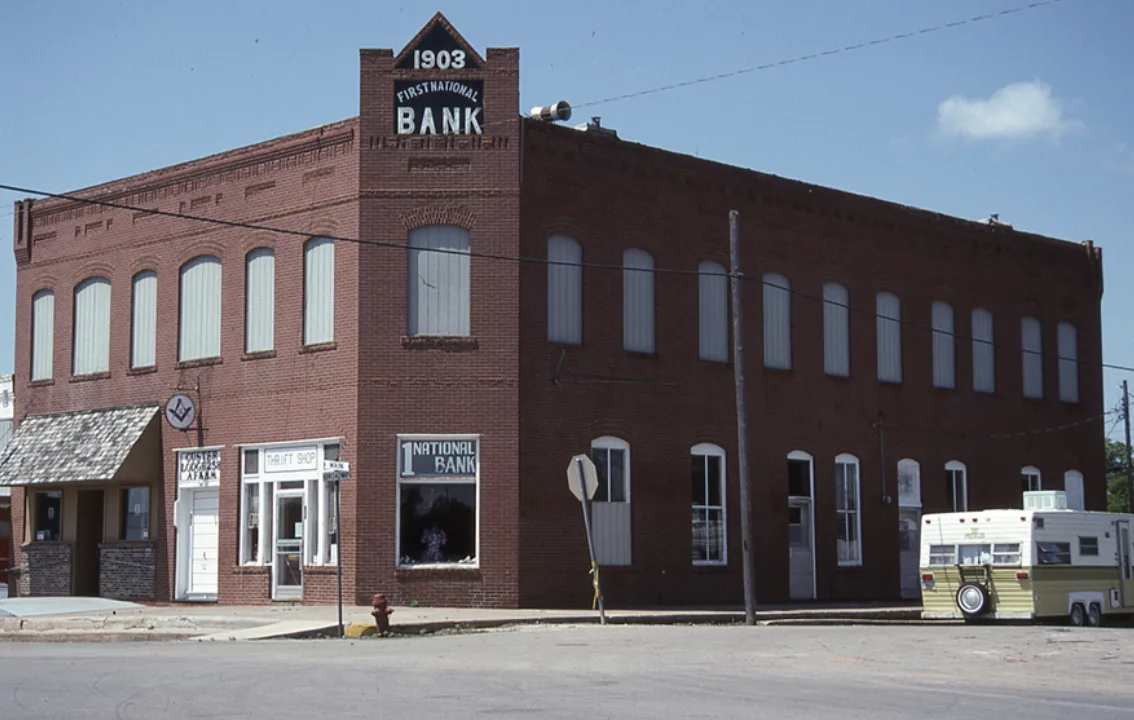
The film also follows an extraordinary intercept near Windthorst, Texas, southwest of Wichita Falls.
This sequence is particularly notable because New York Times photojournalist Natalie Ivis was embedded with Timmer’s crew. The documentary’s official production material confirms that Ivis was inside the Dominator during one of its storm intercepts, capturing the chase from within the vehicle.
Reporting from that trip traces Timmer through the southern Plains and into Texas before a tornado developed near Windthorst. Timmer’s own footage from May 25, 2024 confirms that Dominator 3 entered the tornado there, with debris striking the armored vehicle while the team collected wind and pressure measurements.
The location gives “Never Stop Chasing” another perspective on the job. Greenfield becomes a story about consequences, while Windthorst shows what the chase feels like from inside the vehicle when there is little separation between the filmmakers, the meteorologists and the storm.
El Reno, Oklahoma
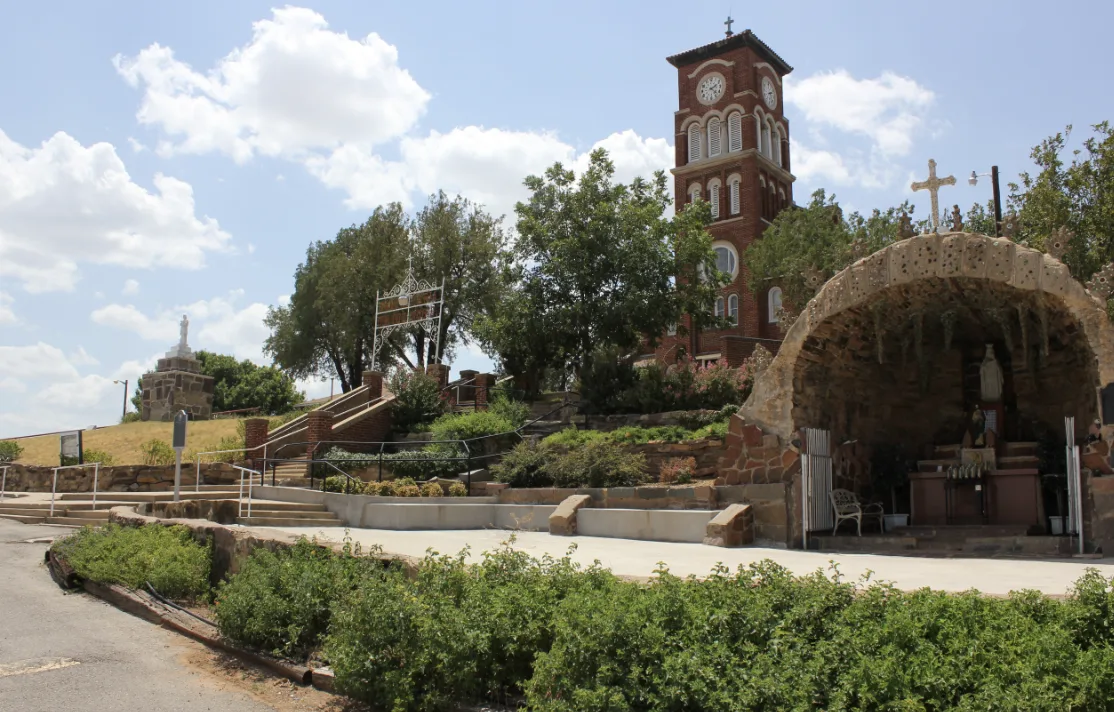
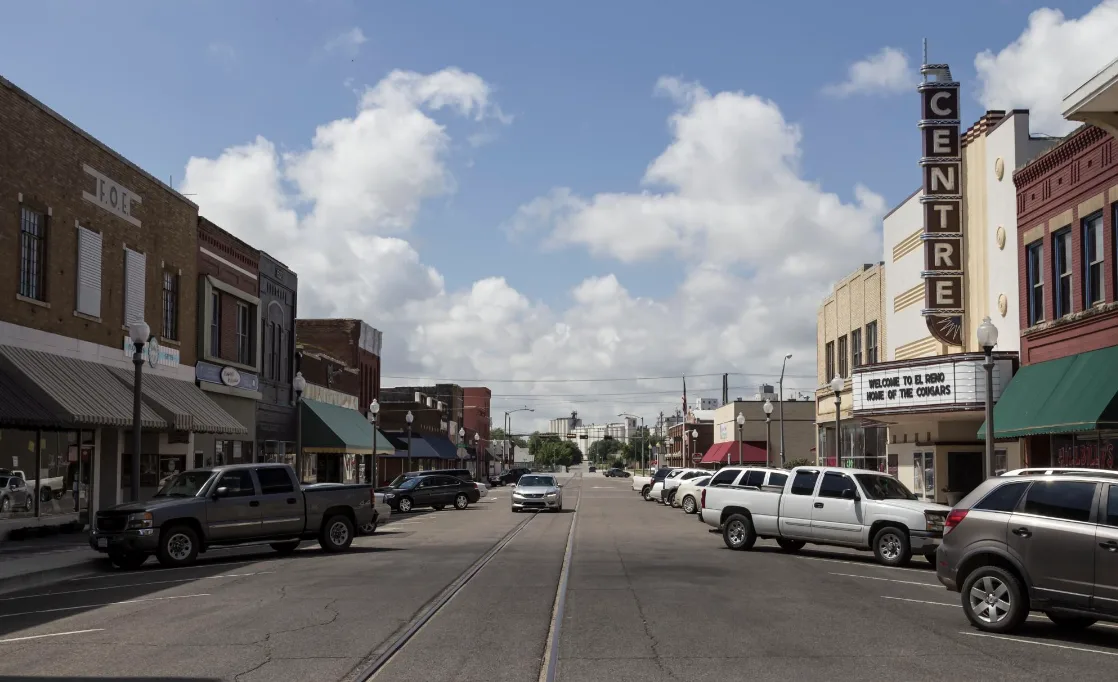
The documentary reaches much farther back in time at El Reno, Oklahoma, where one of the defining events of modern storm chasing occurred on May 31, 2013.
Cole was already documenting Timmer during that season, and “Never Stop Chasing” incorporates material from the El Reno tornado into its larger account of how years of dangerous chasing changed him. The production credits specifically identify Christopher Whiteneck as the 2013 director of photography, with Whiteneck, Jason Bagby, Terry Rosema and Cole credited on camera that year.
El Reno matters because the tornado killed respected storm researcher Tim Samaras, his son Paul Samaras and colleague Carl Young. Cole uses the event not as historical filler but as one of the moments when the storm-chasing community’s belief in its own experience and skill collided with something it could not control.
The footage also gives the documentary a different texture. The 2013 material comes from another era of camera technology and another stage of Timmer’s career, which helps the film show time passing without relying solely on interviews explaining that he has changed.
Oklahoma and the Great Plains Archive
Those four locations form the clearest modern filming trail, but “Never Stop Chasing” is ultimately assembled from a much wider geography.
Cole first filmed Timmer for “Tornado Glory” beginning in 2003 and later worked with him on “Tornado Chasers.” For the new feature, he went back through a large archive accumulated across two decades of severe-weather expeditions. The finished film therefore contains material from different periods of Timmer’s life rather than one neatly defined principal-photography schedule.
Oklahoma is especially important to that history. Timmer attended the University of Oklahoma and built much of his storm-chasing career on the central and southern Plains, where changing forecasts can send crews racing across Oklahoma, Texas, Kansas, Nebraska and Iowa in a single season.
That unpredictability is really the defining location story behind “Never Stop Chasing.” Cole could prepare cameras, vehicles and field crews, but he could not book the main attraction. Greenfield, Custer City, Windthorst and El Reno became filming locations because the atmosphere chose them first.