One Hundred Years of Solitude Season 2 Filming Locations
Macondo was born as an act of imagination, but the second half of One Hundred Years of Solitude asks what happens when the outside world finally reaches it. The railway brings commerce and strangers. Fernanda del Carpio introduces a colder order into the Buendía home. The banana company promises prosperity, then reveals the violence beneath…
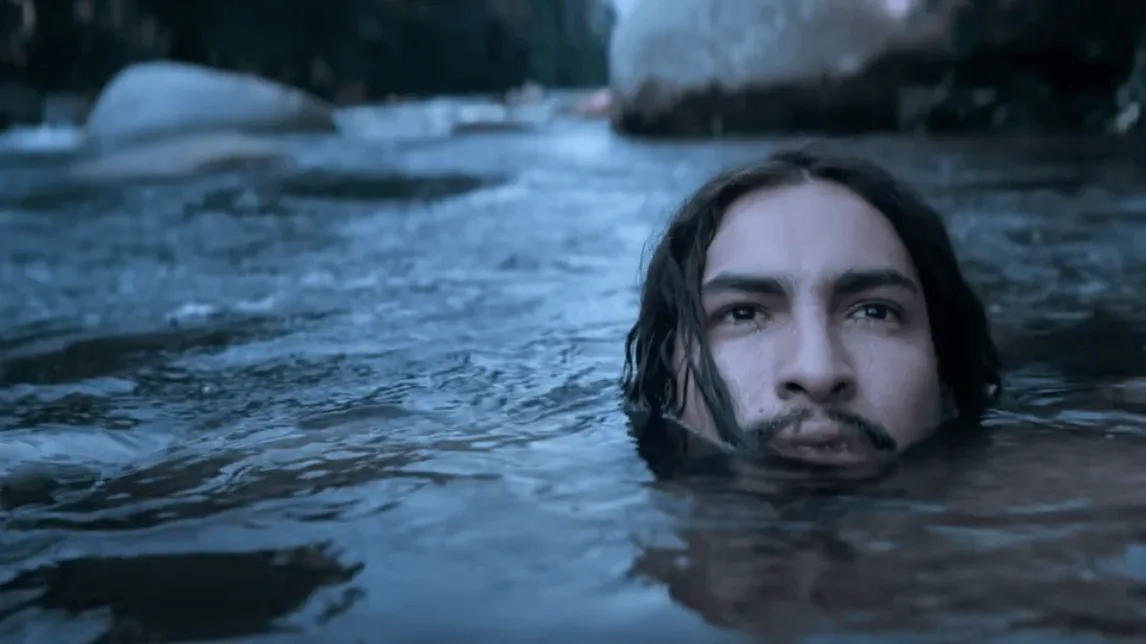
Macondo was born as an act of imagination, but the second half of One Hundred Years of Solitude asks what happens when the outside world finally reaches it. The railway brings commerce and strangers. Fernanda del Carpio introduces a colder order into the Buendía home. The banana company promises prosperity, then reveals the violence beneath the idea of progress. For Netflix’s adaptation, that transformation required more than returning to the village built for Part One. Macondo itself had to age.
Marketed as One Hundred Years of Solitude: Part Two, the continuation follows the final five decades of the Buendía story. Laura Mora and Carlos Moreno directed the seven-episode second part, released on August 5, 2026, with a feature-length Grand Finale scheduled for August 26. The production remained entirely in Colombia, but expanded into railways, convents, colonial streets and the Caribbean banana zone.
Colombia Filming Locations
Netflix officially lists Tolima, Magdalena, Boyacá and Cundinamarca as the filming departments for Part Two. The Macondo backlot remained the narrative center, while location work elsewhere supplied the contrasting climates and architecture demanded by the story.
Netflix formally announced production in February 2025, although filming had already taken place in Tunja in January. A November industry report said the shoot had ended several weeks earlier, placing the wrap in autumn 2025. That timeline differs from preliminary listings suggesting that production concluded in August.
Alvarado Remains Macondo
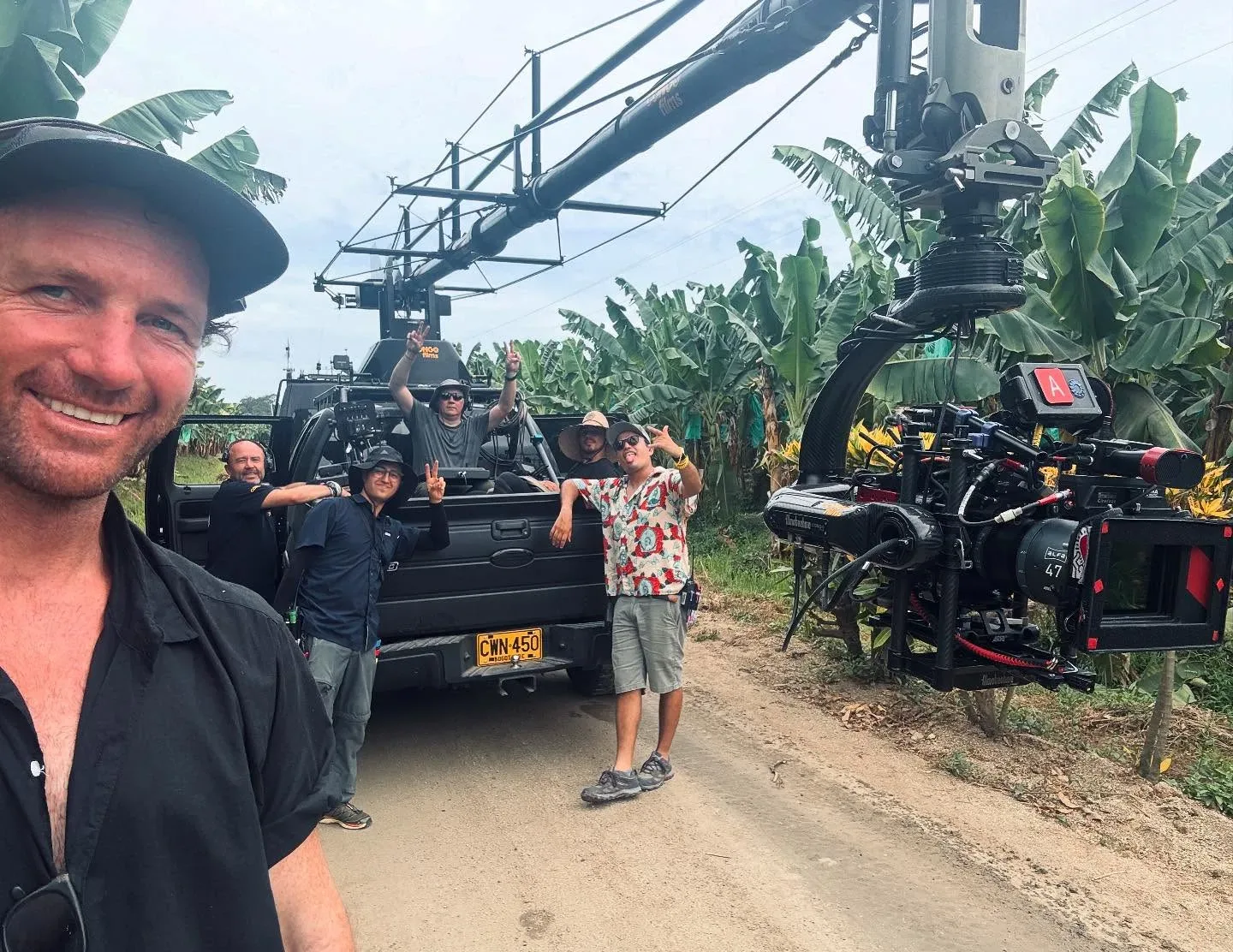
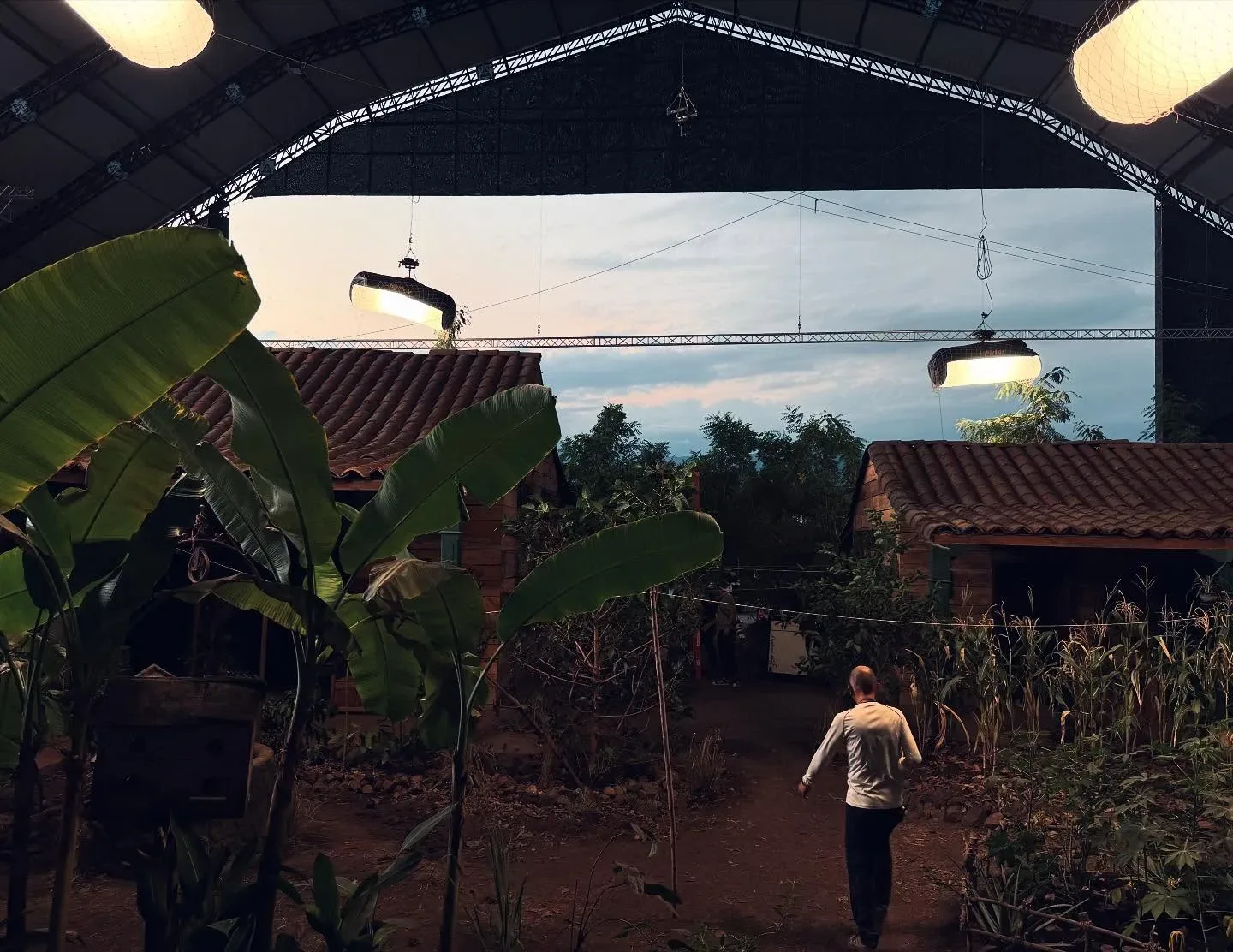
The heart of the production was Finca Arizona, a rural property near Alvarado in Tolima, about half an hour from Ibagué’s airport. Here, the filmmakers constructed Macondo instead of searching for an existing town that only partly matched Gabriel García Márquez’s descriptions.
The site covered roughly 56 hectares, giving the crew control over its roads, buildings, vegetation and gradual deterioration. This was not simply a collection of disconnected facades. Macondo was designed as a place through which actors, vehicles and the camera could move naturally.
Four versions of Macondo were created across the larger adaptation. Part Two mainly uses the fourth and most developed form, which added 18 spaces and introduced cars, electricity and a facade connected to the United Fruit Company. Vegetation was allowed to thicken, making the settlement look older and less orderly as prosperity, conflict and neglect accumulated around it.
The Buendía house changes with the town. Fernanda’s influence appears through heavier curtains, Catholic imagery and a more rigid atmosphere, replacing some of the warmth associated with Úrsula’s household. The production design therefore charts a family becoming estranged inside the same walls.
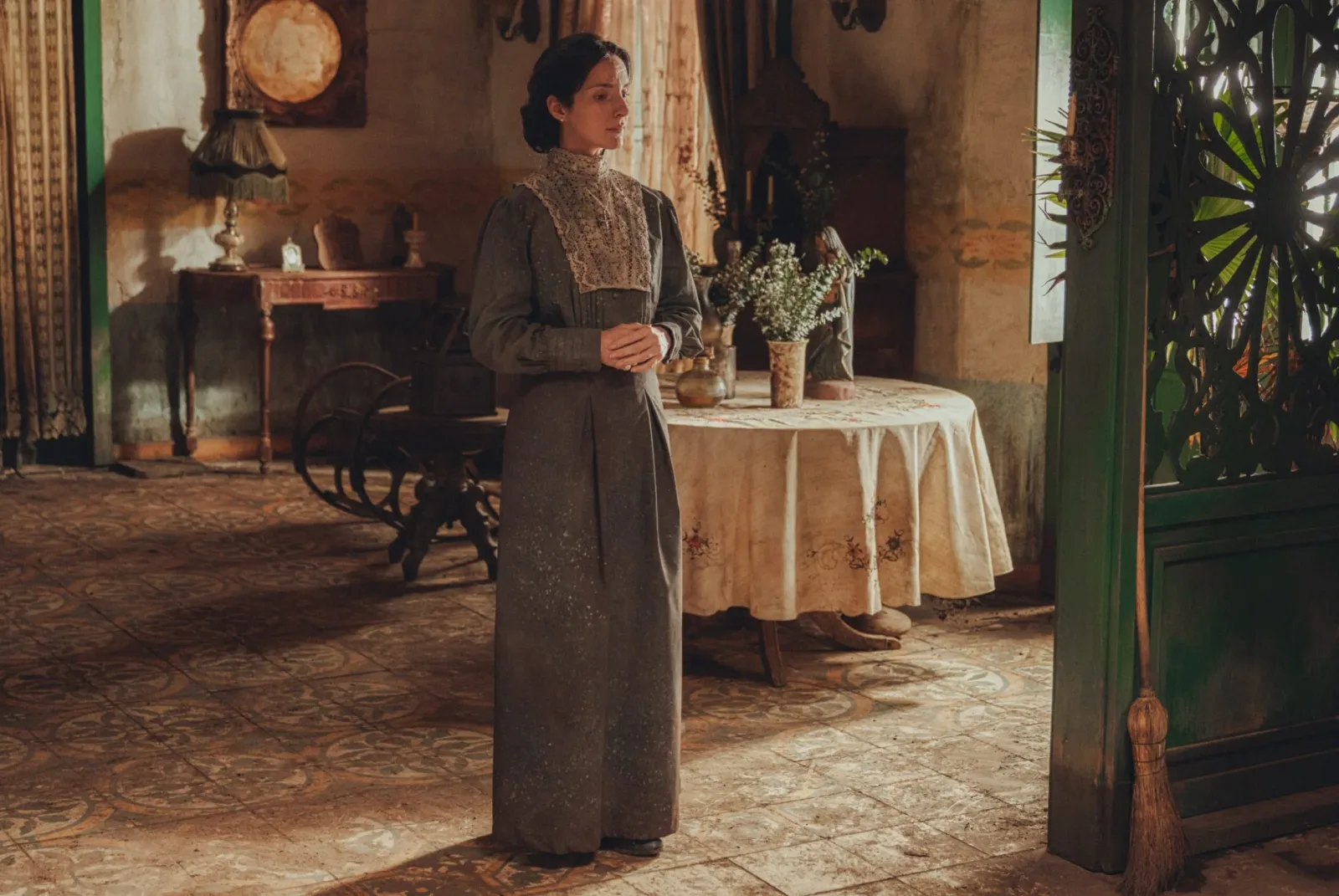
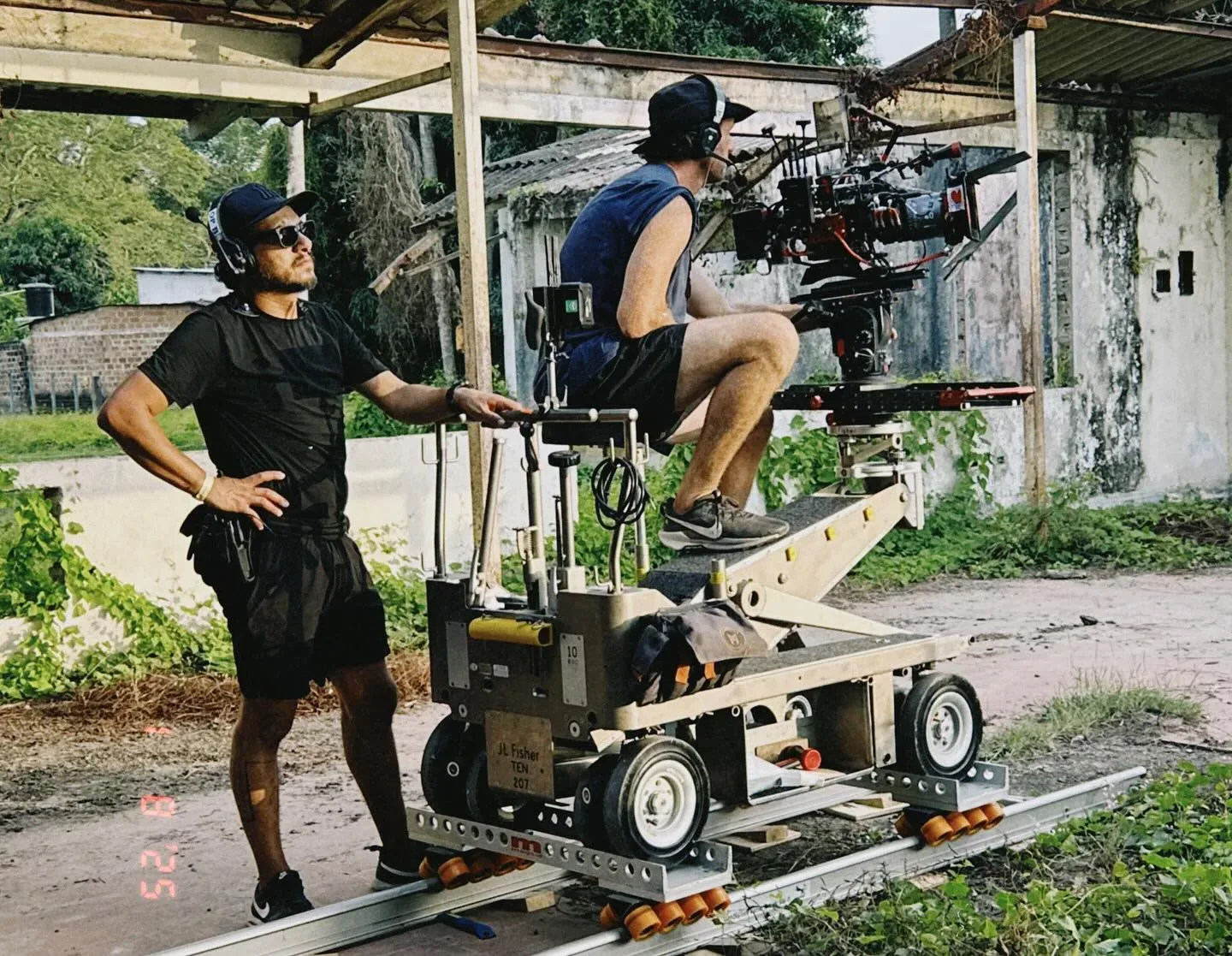
The decision to build rather than rely on digital extensions also changed how scenes could be staged. Connected streets gave Mora and Moreno room for longer movements through the town, while real doors, courtyards and shopfronts allowed background life to continue beyond the principal actors. Macondo no longer resembles a few pioneering homes. It has become a crowded society, which makes its eventual abandonment feel like the loss of a living place rather than the dismantling of a set.
The Railway Was Built for Real
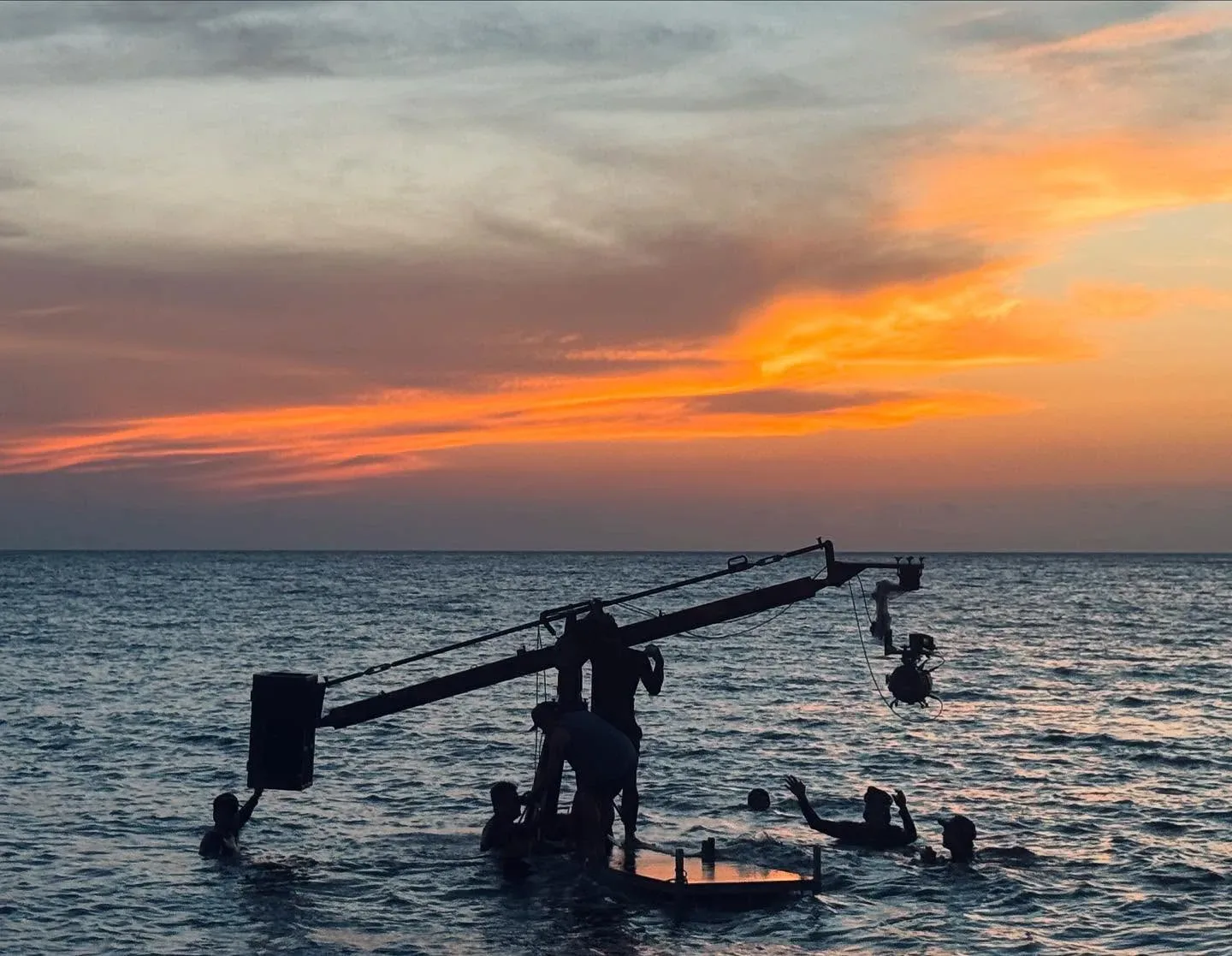
The railroad is the major new piece of Macondo’s geography, and the production treated it as infrastructure rather than scenery. A station, locomotive and carriages were constructed, with the train made operational for filming. The rolling stock was built in Bogotá and carried to Tolima on low-bed trucks.
The station was a historical composite. Production designer Bárbara Enríquez said it was strongly informed by Barranquilla’s old terminal, while Mora explained that the team also studied photographs and plans associated with Aracataca. Records connected to the Santa Marta Railway Company helped shape the wider railway environment.
That combination is appropriate for Macondo. The town remains fictional, but its route into industrial modernity is grounded in recognizable pieces of Colombian history rather than one conveniently preserved station.
Riofrío Brings the Banana Zone
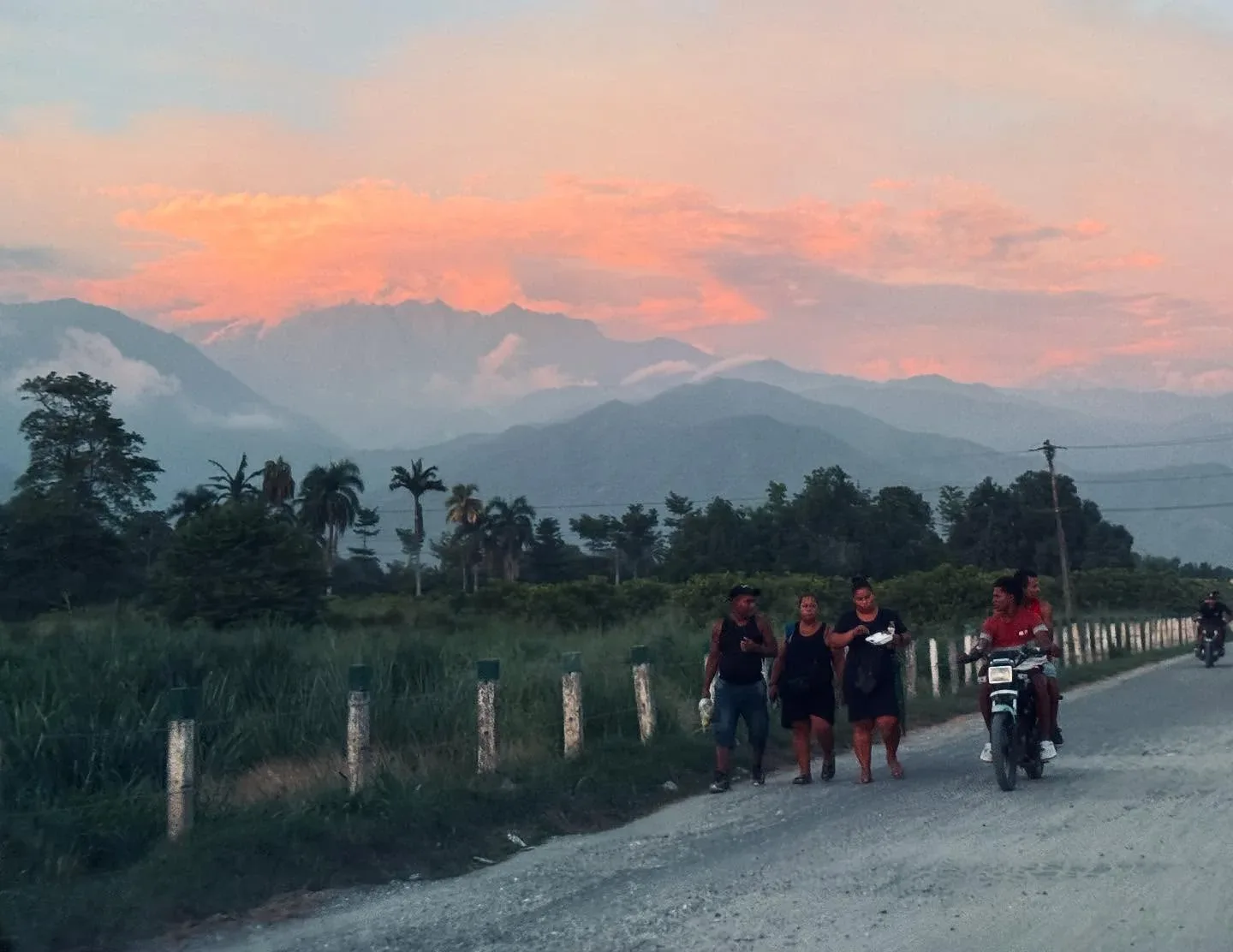
The production travelled north to Magdalena, the department most closely tied to the banana economy that dominates the novel’s later chapters. The clearest documented filming site was Riofrío, in the municipality of Zona Bananera. Local residents joined the April 2025 shoot as extras, connecting the drama to communities living within that historical landscape.
This was more than a change of scenery. Tolima provides the town the Buendías build and lose, while Magdalena supplies the geography of the commercial force entering it. The banana-company storyline consequently feels connected to a real region shaped by plantations, railways and foreign corporate power.
Villa de Leyva Shapes Fernanda’s World
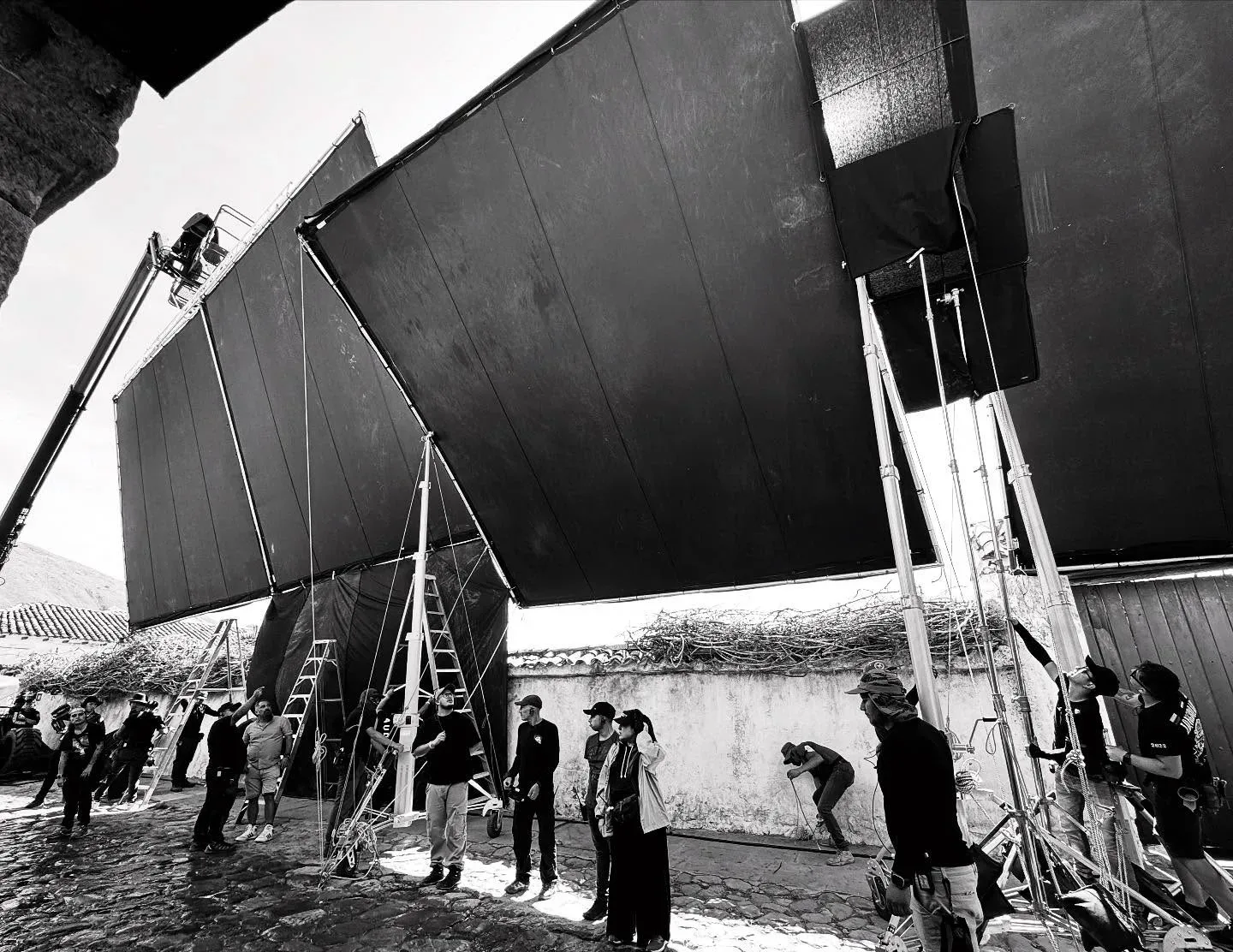
Boyacá supplied another kind of history. Enríquez confirmed that Fernanda del Carpio’s world was filmed in Villa de Leyva, whose colonial streets and old buildings suited the formality she carries into Macondo.
The art department repainted streets, modified exteriors and used interiors inside historic properties instead of constructing every room. Villa de Leyva’s stone paving, whitewashed walls and enclosed courtyards establish a clear distance from Macondo’s humid disorder. Before Fernanda imposes her customs on the Buendías, the locations show viewers the disciplined, ceremonial world that formed her.
Tunja Supplies the Convent
Filming also took place in central Tunja during January 2025. Confirmed sites included the Claustro and Chapel-Museum of Santa Clara La Real, along with streets surrounding Plaza de Bolívar. The work brought approximately 350 cast and crew members into the city and required temporary road closures around its historic center.
Santa Clara La Real, a former convent associated with the 17th-century nun and writer Francisca Josefa del Castillo, provided genuine colonial interiors for the continuation’s religious and institutional world. The production has not matched every Tunja building to an individual scene, so claims that the convent represents one specifically named location should be treated cautiously.
Cundinamarca Stays Unmapped
Cundinamarca appears on Netflix’s official location list, but the production has not publicly identified the exact municipalities or buildings used there. That distinction matters because several Colombian towns are regularly described as inspirations for Macondo, although visual inspiration does not prove that filming occurred there.
Until Netflix or the production team publishes a more detailed location map, Cundinamarca is best credited at department level rather than attached to an unverified town or landmark.
Macondo’s Decline Is in the Landscape
Part Two’s location work does more than present Colombia attractively. Alvarado holds the expanding and decaying Macondo. Magdalena grounds the banana story in an appropriate historical landscape. Villa de Leyva and Tunja supply the social and religious order surrounding Fernanda, while the railway connects those once-separated worlds.
By physically enlarging Macondo, the filmmakers let progress leave visible scars. New roads, machines and institutions do not erase the old settlement. They crowd it, reorganize it and weaken the isolation that once protected it. The town becomes more connected to the world at precisely the moment the Buendías become more trapped inside their own history.