Tár Filming Locations
Todd Field’s Tár makes the world of classical music look less like a sanctuary than a sealed chamber where every polished surface reflects power back at its owner. Cate Blanchett plays Lydia Tár, a celebrated conductor preparing to record Mahler’s Fifth Symphony while professional allegations and private compromises begin closing in around her. Berlin’s stern…
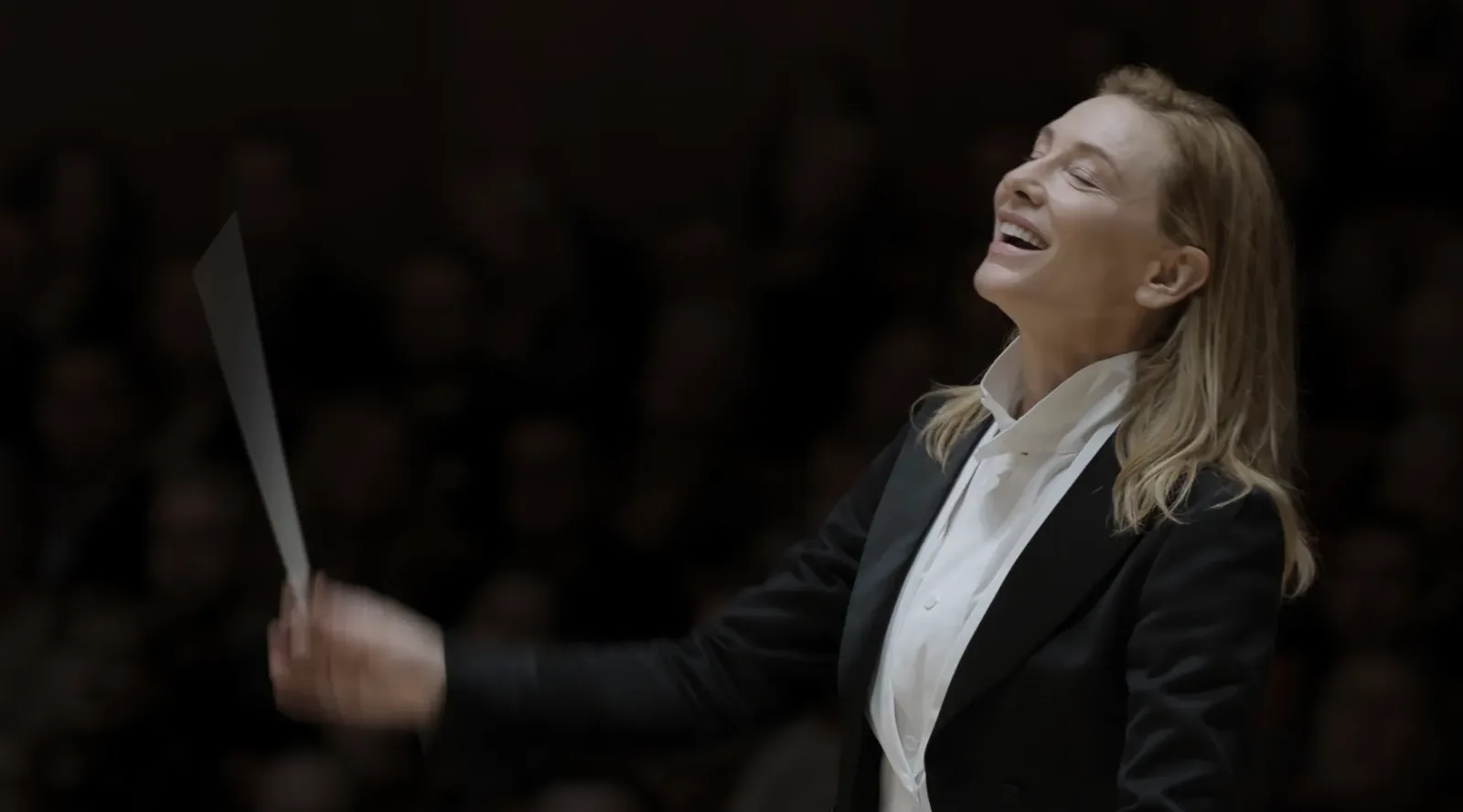
Todd Field’s Tár makes the world of classical music look less like a sanctuary than a sealed chamber where every polished surface reflects power back at its owner. Cate Blanchett plays Lydia Tár, a celebrated conductor preparing to record Mahler’s Fifth Symphony while professional allegations and private compromises begin closing in around her. Berlin’s stern avenues, cavernous interiors and controlled modernism are not merely handsome scenery. They give Lydia a kingdom large enough to rule and, eventually, enough empty space in which to look painfully alone.
Where Was Tár Filmed?
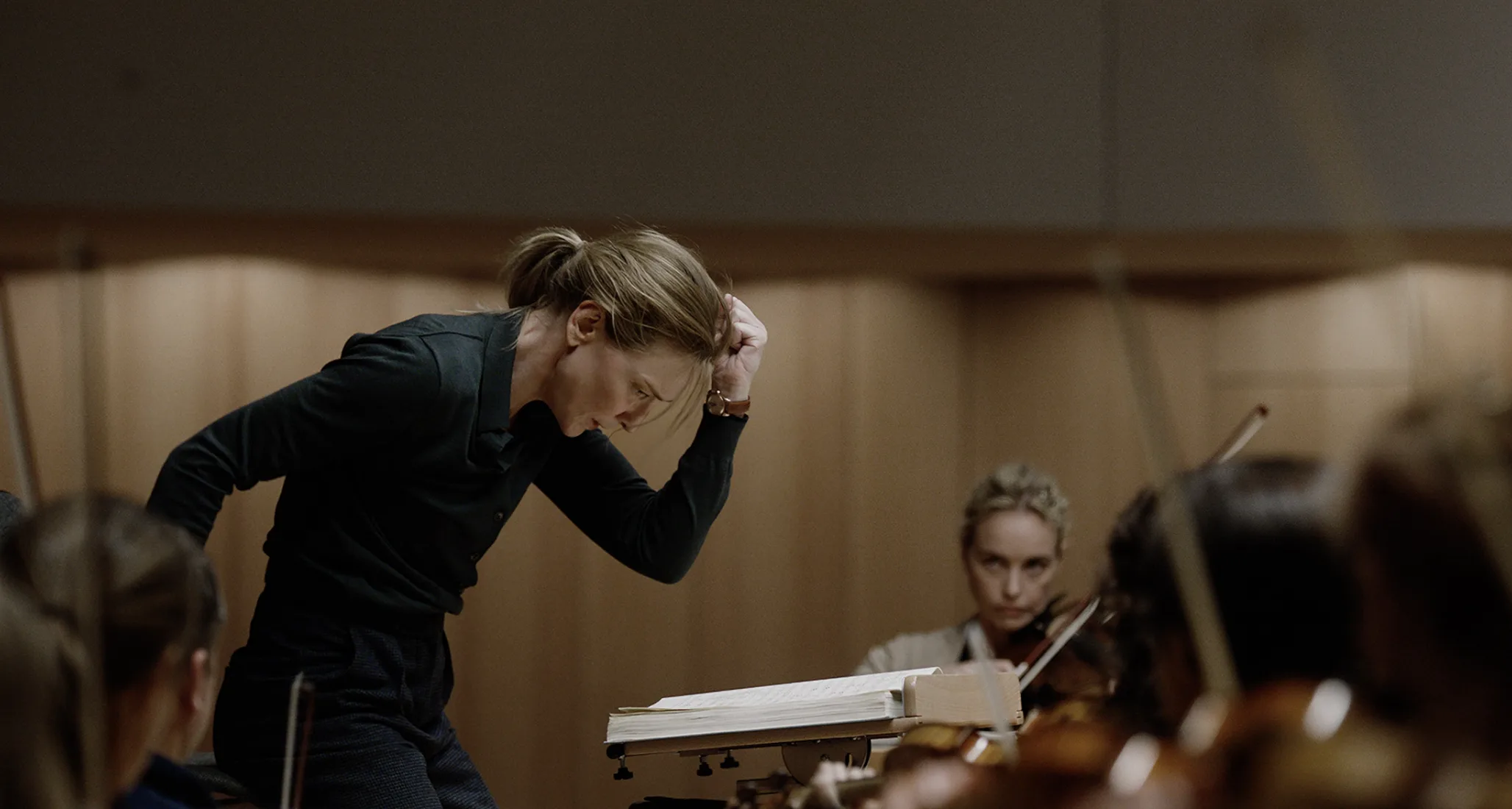
Tár was filmed mainly in Germany, with Berlin serving as the production’s center. Important sequences were also shot in Dresden and Potsdam, while a short New York unit gathered background plates for scenes set in Manhattan. The film’s final movement was completed in Bangkok, Thailand. Production was underway in and around Berlin by September 2021, and much of the international-looking material was created through German locations, constructed interiors and digital compositing.
Berlin Locations
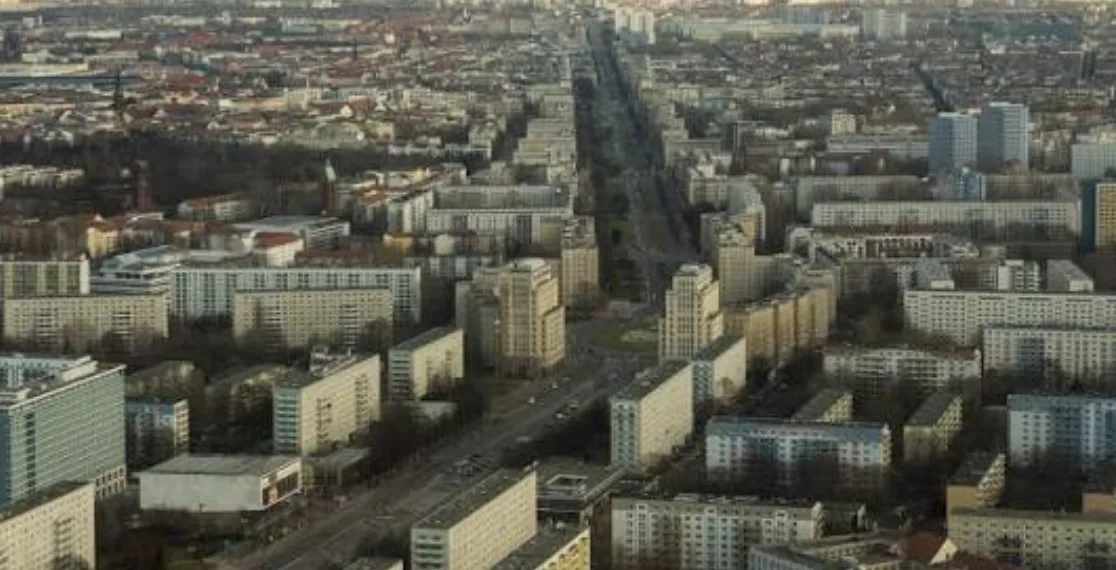
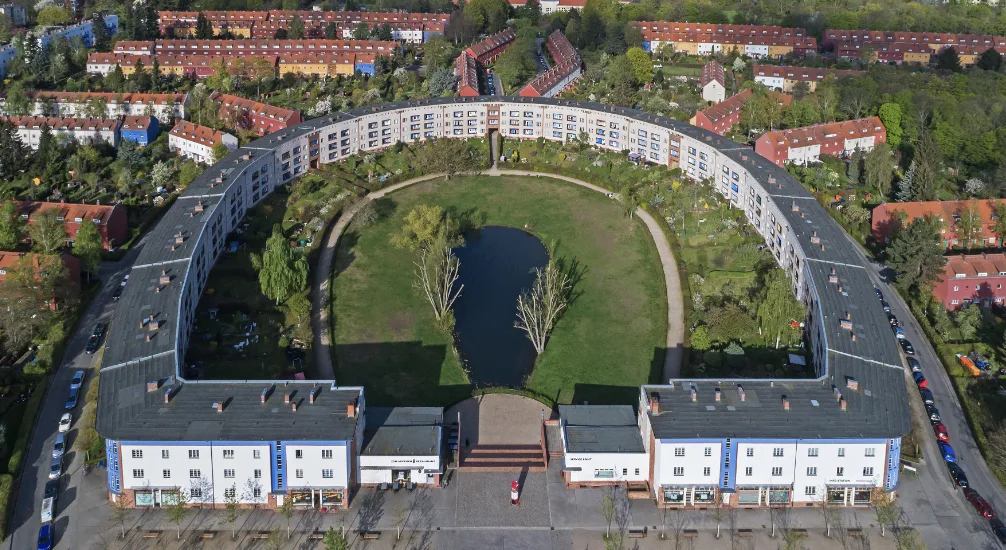
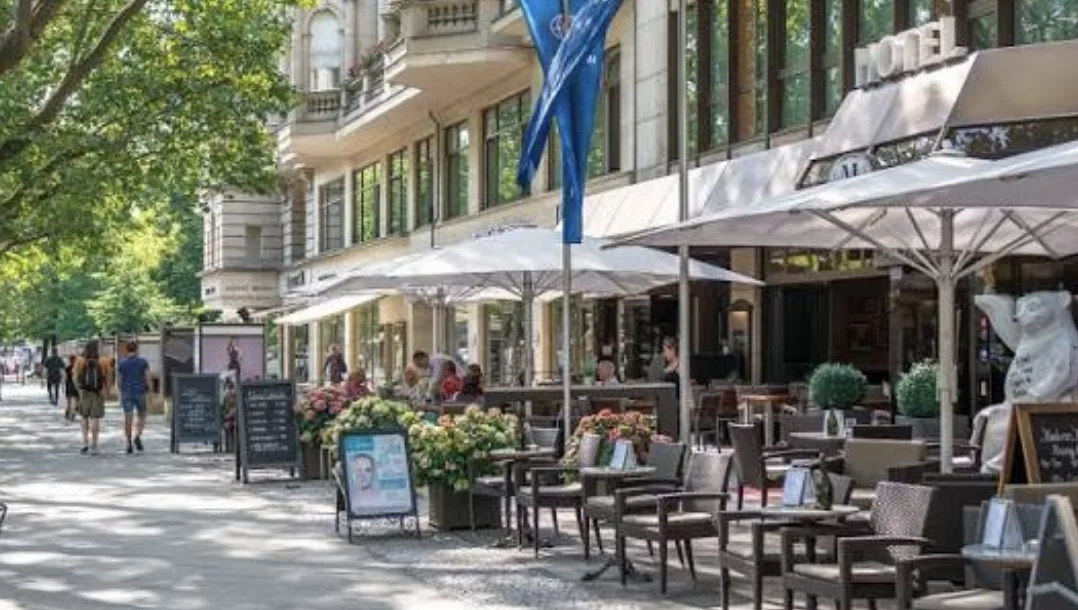
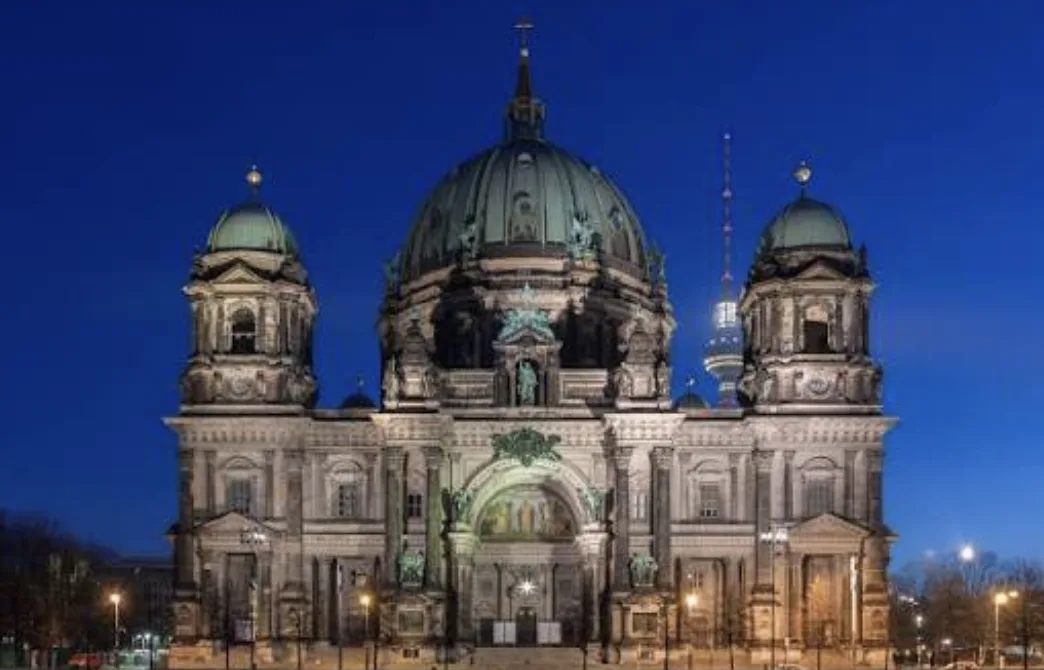
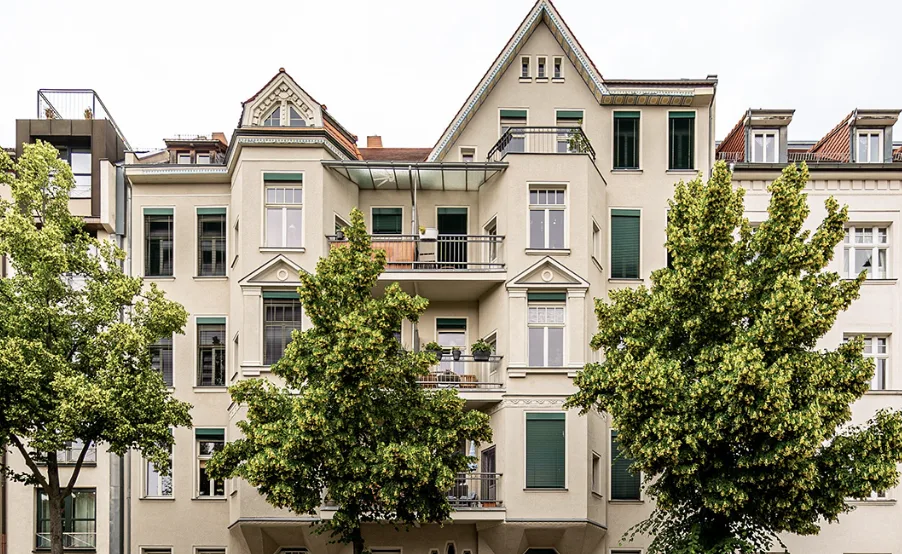
Berlin supplies the film with its emotional temperature: gray, orderly and quietly intimidating. Lydia is seen traveling along Karl-Marx-Allee, whose broad boulevard, geometric façades and pale stonework suit the coolly composed public image she has built for herself. Other identifiable Berlin locations include Kurfürstendamm, Berlin Cathedral and the Britz Horseshoe Estate, or Hufeisensiedlung, in Neukölln.
One of the movie’s most unsettling passages follows Lydia jogging through a brick railway underpass. That tunnel is on Windscheidstraße, close to Berlin-Charlottenburg station. Field turns an ordinary piece of transport infrastructure into something almost subterranean, allowing distant sounds and Lydia’s growing paranoia to do the rest.
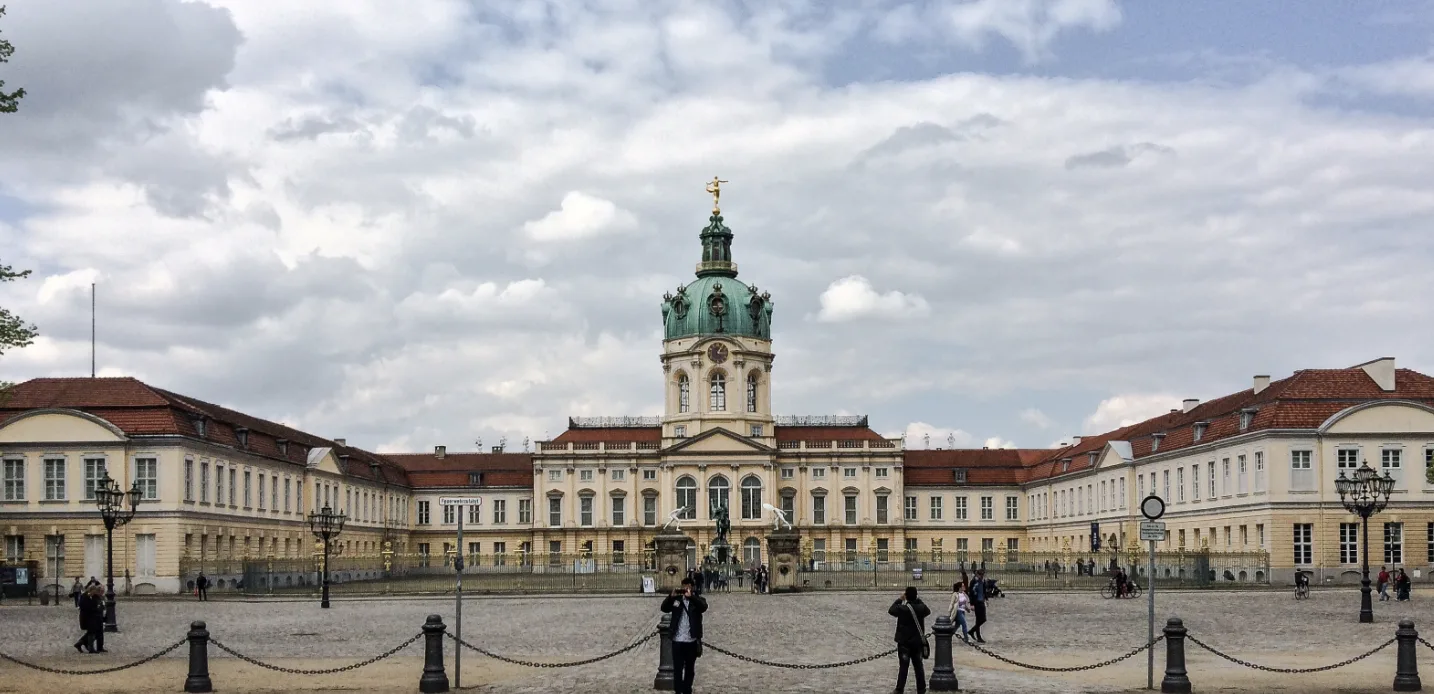
The production also worked at the historic Jofa Atelier and used the LED-Cave mixed-reality facility on Paradiesstraße. Those controlled spaces helped the filmmakers create interiors and distant settings without repeatedly moving the full company abroad.
Lydia Tár’s Apartment
The severe concrete home Lydia shares with Sharon and Petra is one of the film’s defining locations. The rooms belong to the private residence created above Berlin’s former Reichsbahnbunker, now home to the Sammlung Boros contemporary art collection. The apartment is owned by collectors Christian and Karen Boros and was designed around monumental concrete surfaces, carefully placed artwork and large areas of visual emptiness.
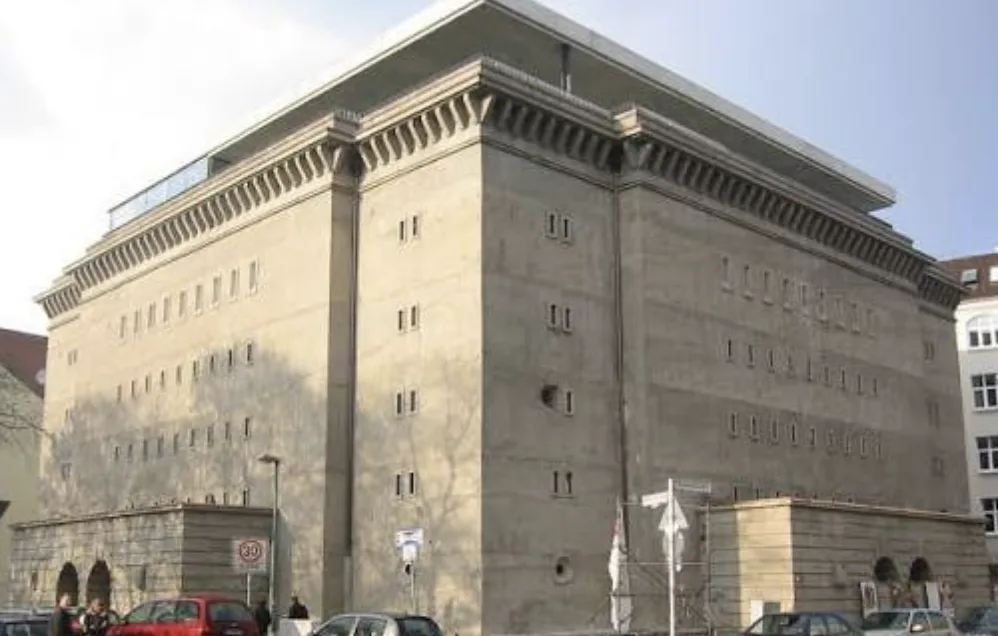
It is an unusually perfect home for Lydia. The apartment communicates money and cultural authority without resorting to obvious luxury. Nothing looks accidental, which makes the gradual disorder in her life all the more visible. The production spent almost a month working inside the residence, an unusually long occupation of a private home.
Lydia’s older work apartment provides the counterpoint. Located in Charlottenburg, the early-20th-century space is warmer, more decorative and filled with evidence of her earlier life. Production designer Marco Bittner Rosser treated it as the home Lydia retained from her less powerful years, now used as a private studio and retreat.
New York in Berlin
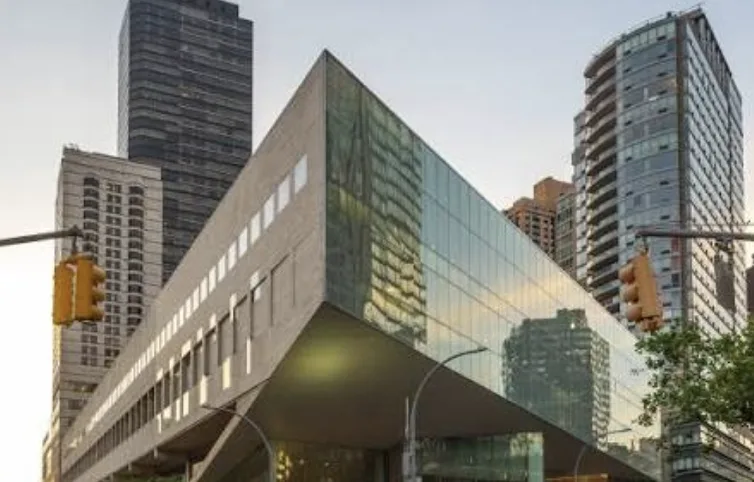
The opening New Yorker Festival conversation is set at Alice Tully Hall in Lincoln Center, but Blanchett and Adam Gopnik did not perform the full scene inside the Manhattan venue. A brief New York plate shoot captured location imagery, which was combined with material staged in Berlin.
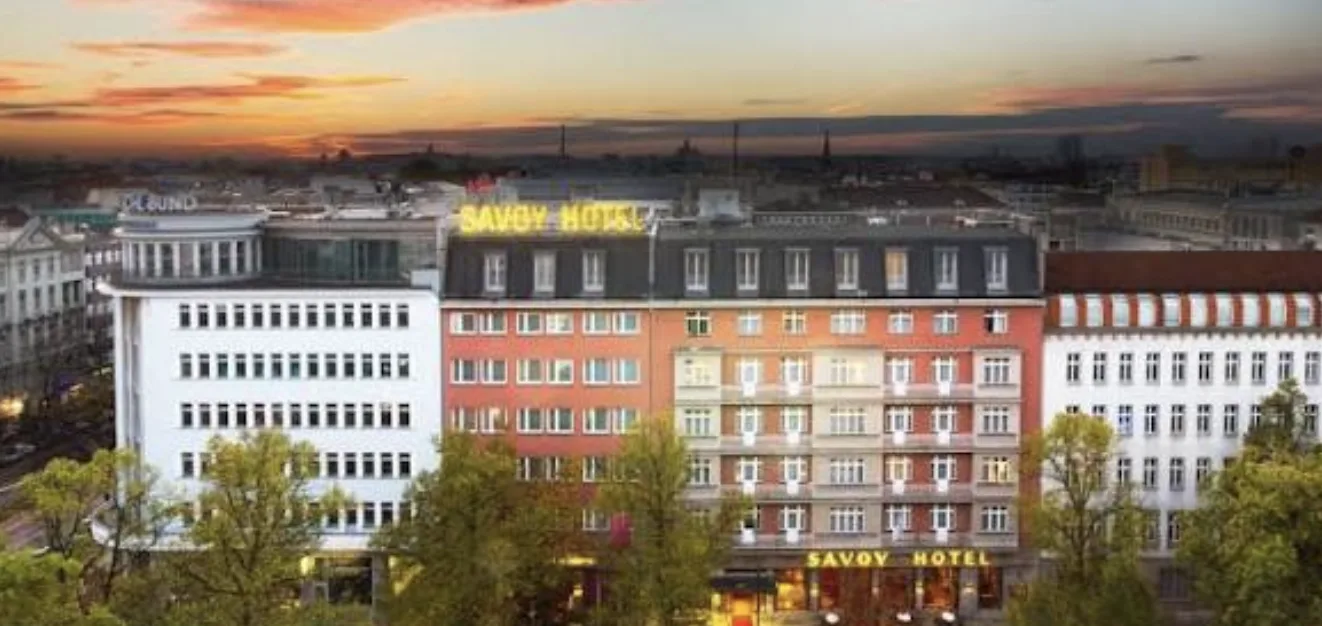
The same sleight of hand shaped Lydia’s New York hotel. The Carlyle inspired the setting, but the filmmakers could not shoot there. Instead, they transformed the Savoy Hotel Berlin, altering rooms and walls to create an older Manhattan suite complete with a piano. Berlin also hosted the film’s recreated 53rd Street Library and several other American interiors.
Dresden’s Kulturpalast
The orchestra scenes were filmed at the Kulturpalast in Dresden, not at the Berlin Philharmonie suggested by the story. The venue’s vineyard-style auditorium had the modern geometry and abundant light Field wanted, and it could provide something even harder to find: nine consecutive filming days.
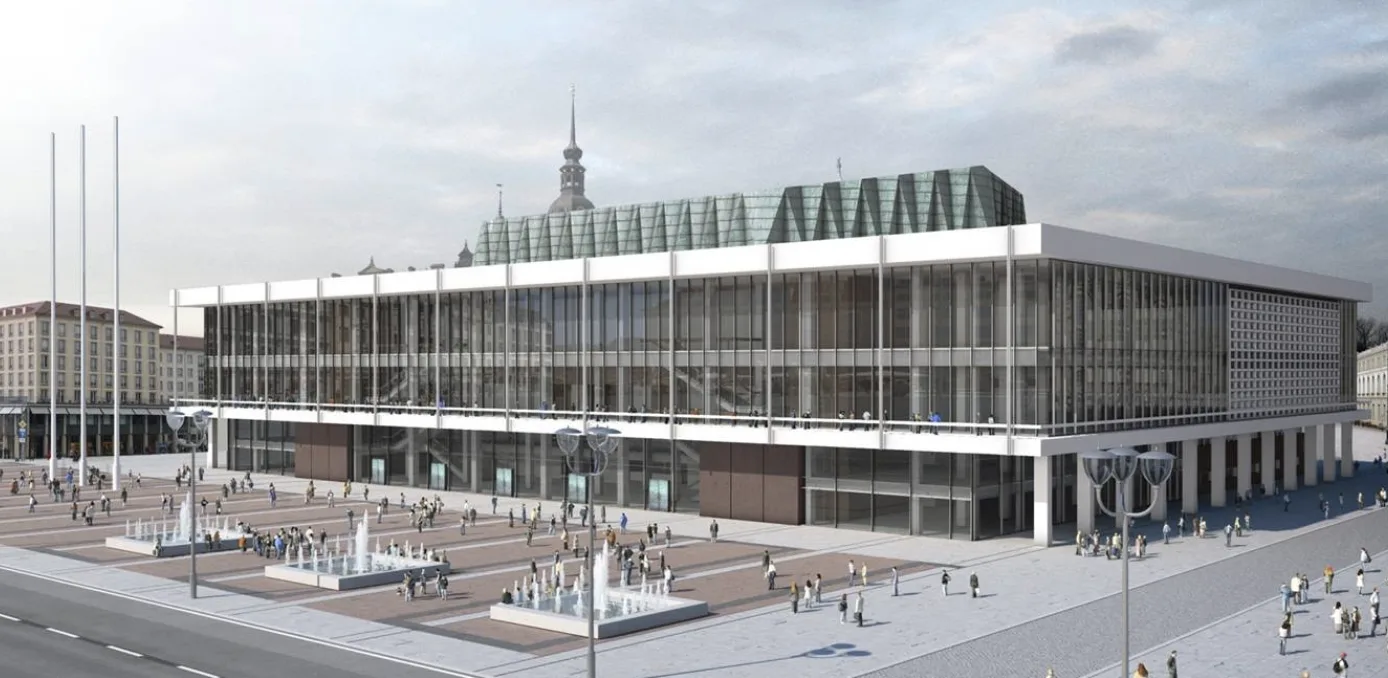
The Dresdner Philharmonie appears as Lydia’s orchestra, performing live while Blanchett conducts. The concert-hall material was therefore not assembled from anonymous extras pretending to play. Real musicians occupy the frame, which is a major reason the rehearsals feel persuasive rather than overproduced.
Only the auditorium itself was available to the filmmakers. Lydia’s office, backstage corridors and other support areas were built separately to match the architectural language of the hall. Additional Dresden filming took place around the Palais im Großen Garten.
Potsdam and Bangkok
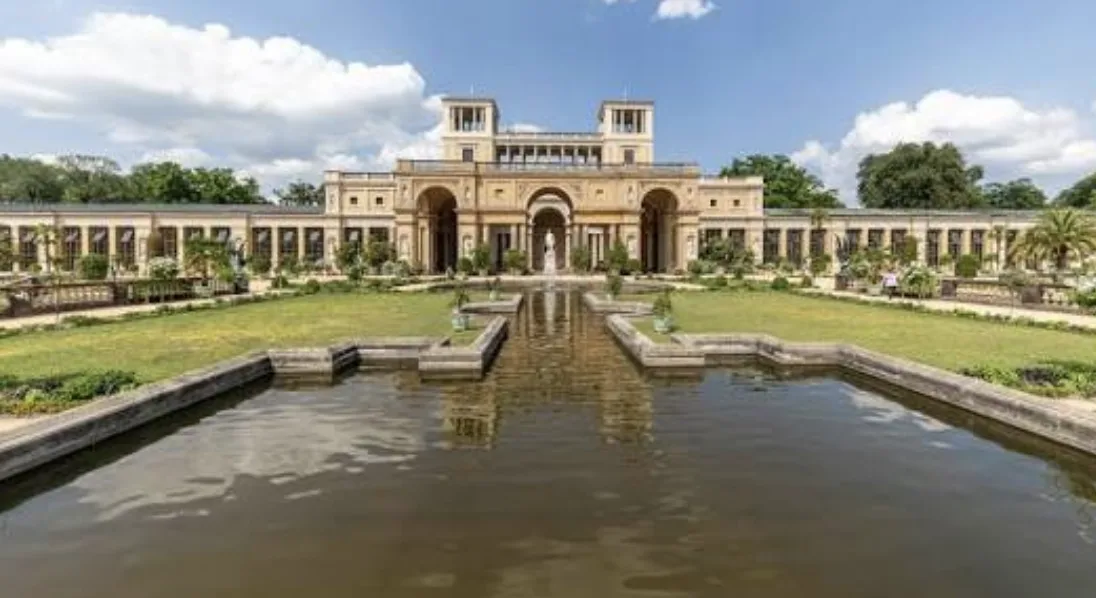
Night filming was carried out at Potsdam’s Orangerieschloss, also known as the New Orangery. Its grand architecture extends the film’s carefully curated European world beyond Berlin without announcing the change of city.
Bangkok provides the sharp visual break in the epilogue. Thai production company Living Films serviced the shoot, while the final concert features Bangkok’s Siam Sinfonietta, with Blanchett conducting the youth orchestra for Lydia’s strange new assignment involving music from Monster Hunter.
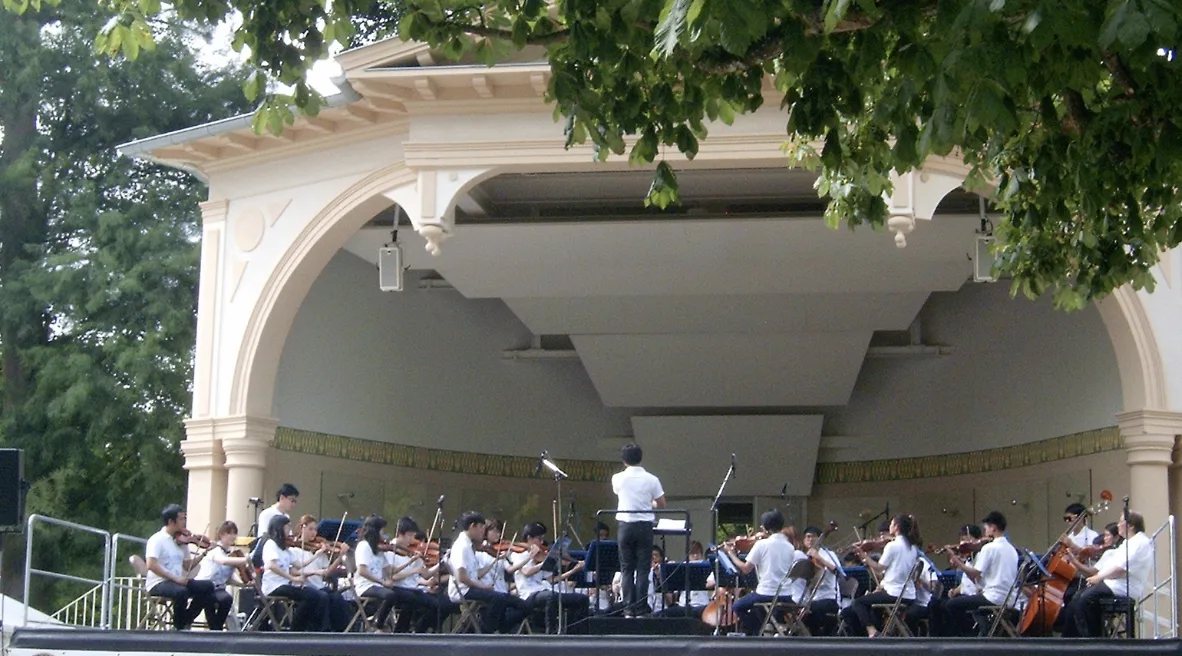
That last change of location is deliberately jarring. The monumental German spaces have disappeared, but Lydia is still standing before an orchestra, still waiting for the cue and still trying to control the tempo. In Tár, geography changes long before the central obsession does.