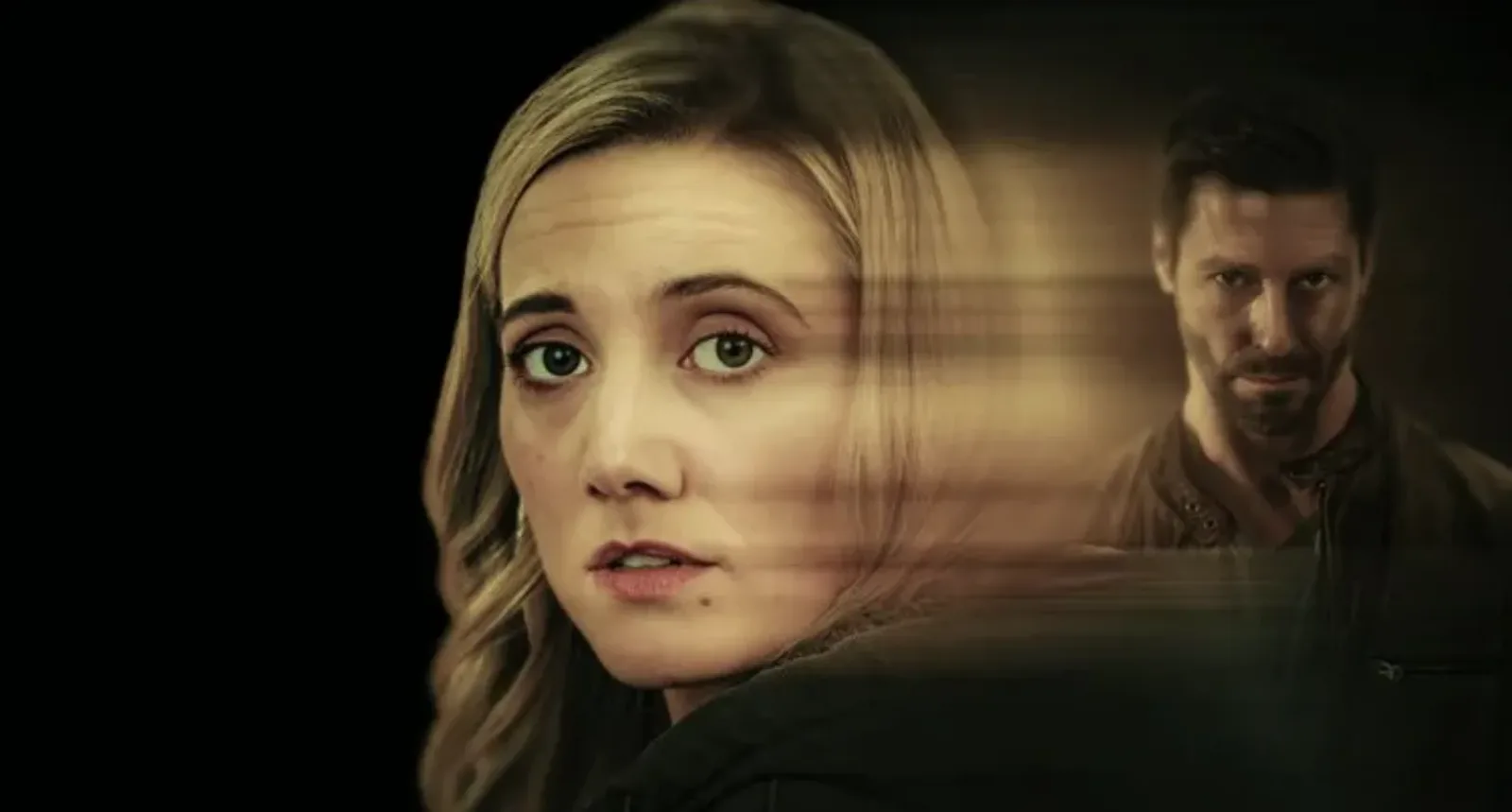
The Invite (2026) Filming Locations
Olivia Wilde’s The Invite turns an ordinary dinner invitation into an increasingly uncomfortable examination of marriage, sex and the private resentments couples learn to hide. Seth Rogen and Wilde play Joe and Angela, a San Francisco couple whose relationship has settled into near-constant friction, while Penélope Cruz and Edward Norton play their seemingly more adventurous…
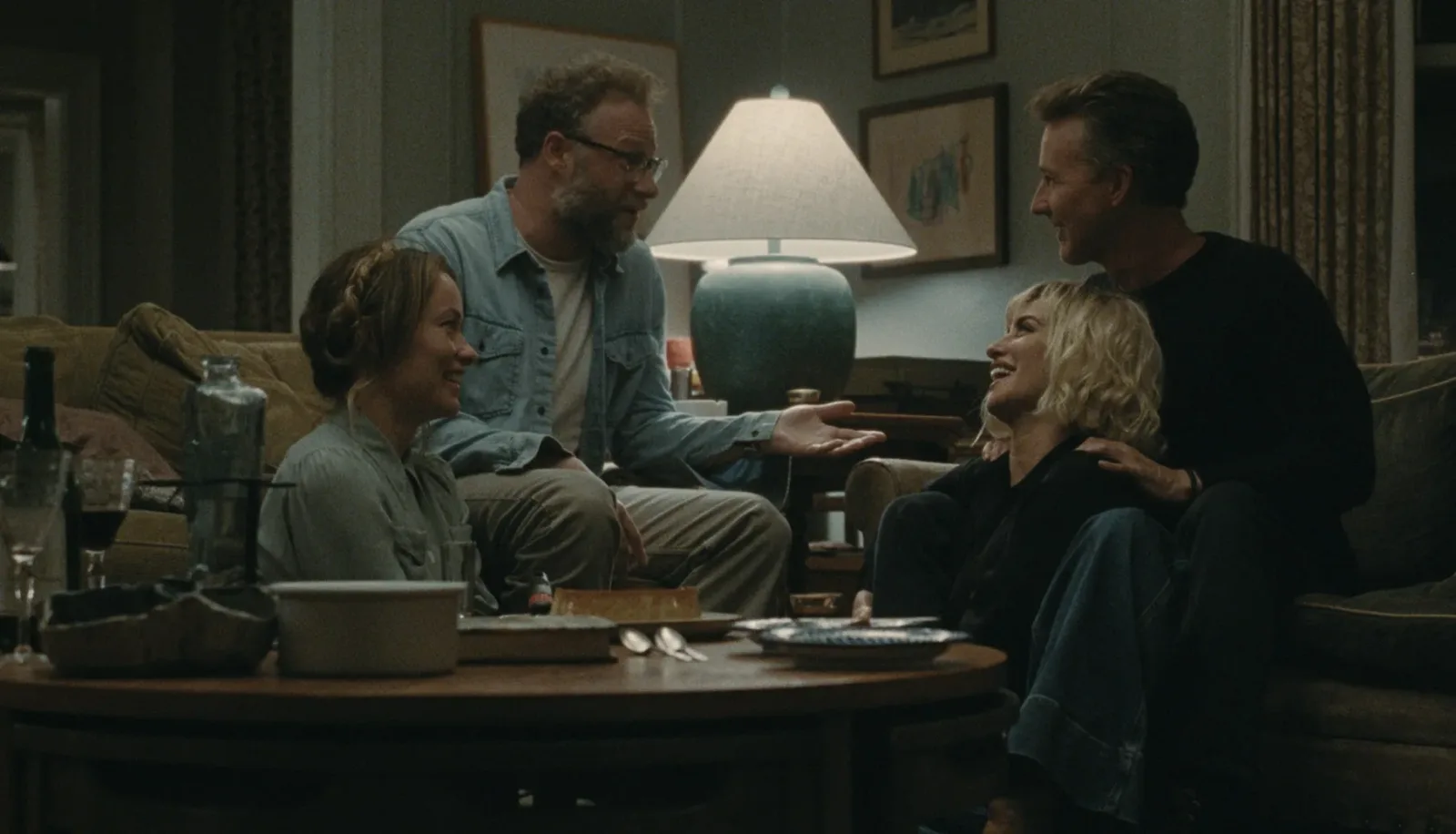
Olivia Wilde’s The Invite turns an ordinary dinner invitation into an increasingly uncomfortable examination of marriage, sex and the private resentments couples learn to hide. Seth Rogen and Wilde play Joe and Angela, a San Francisco couple whose relationship has settled into near-constant friction, while Penélope Cruz and Edward Norton play their seemingly more adventurous neighbors, Piña and Hawk. Adapted by Rashida Jones and Will McCormack from Cesc Gay’s Spanish film The People Upstairs, the comedy spends most of its running time inside Joe and Angela’s apartment, making the home feel almost as important as the four people arguing inside it.
The Invite was filmed entirely in California, principally in Los Angeles with additional location photography in San Francisco. The production completed a compact 23-day shoot in spring 2025 and filmed the story chronologically, an unusual approach that allowed the performances and improvisations to develop alongside the increasingly unruly dinner. San Francisco supplied the movie’s real streets, transit system, school and neighborhood businesses, while the apartment where most of the story takes place was built on a soundstage in Hollywood.
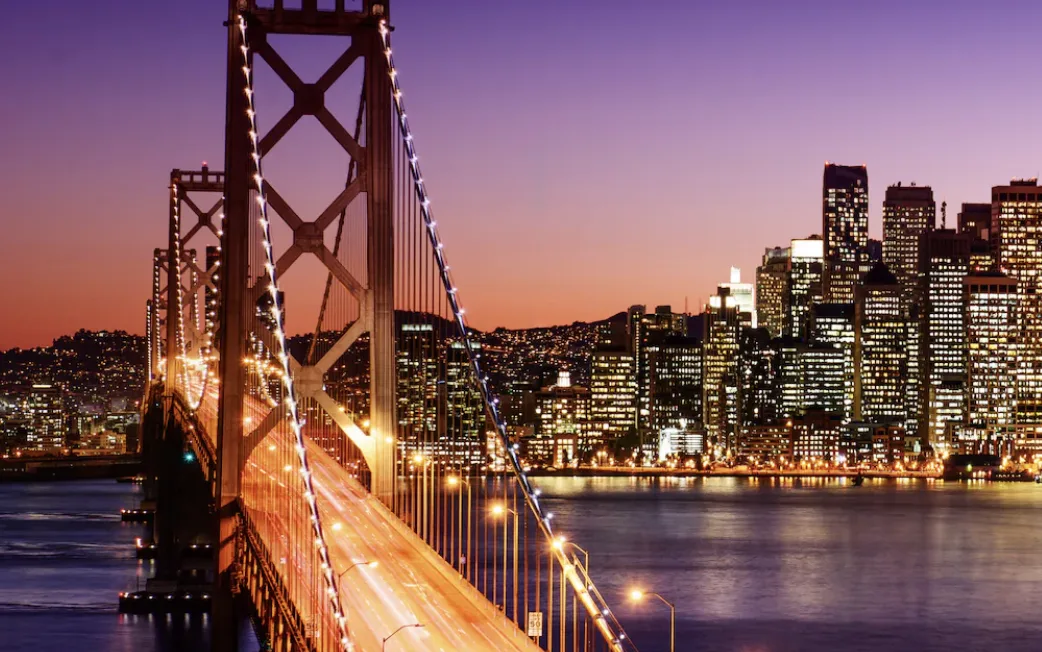
San Francisco Grounds the Story in a Real City
Although much of The Invite is confined to an apartment, Wilde wanted Joe and Angela to feel unmistakably like San Francisco residents rather than characters living in a generic metropolitan setting. The production consequently spent two busy days filming across several neighborhoods in May 2025, moving from the Outer Sunset to Glen Park, the Mission, Castro and North Beach. SFGATE reported that the San Francisco unit covered a remarkable amount of ground on May 20 and 21.
That decision gives the movie’s relatively brief exterior scenes considerable specificity. Wilde later said San Francisco’s texture and cultural character were important to the film, while local reporting noted that the city appears most prominently outside the central apartment storyline. Instead of relying entirely on establishing shots, the production put its actors into working neighborhood spaces and, in the case of BART, among actual commuters.
Glen Park BART Station and the Commuter Scenes
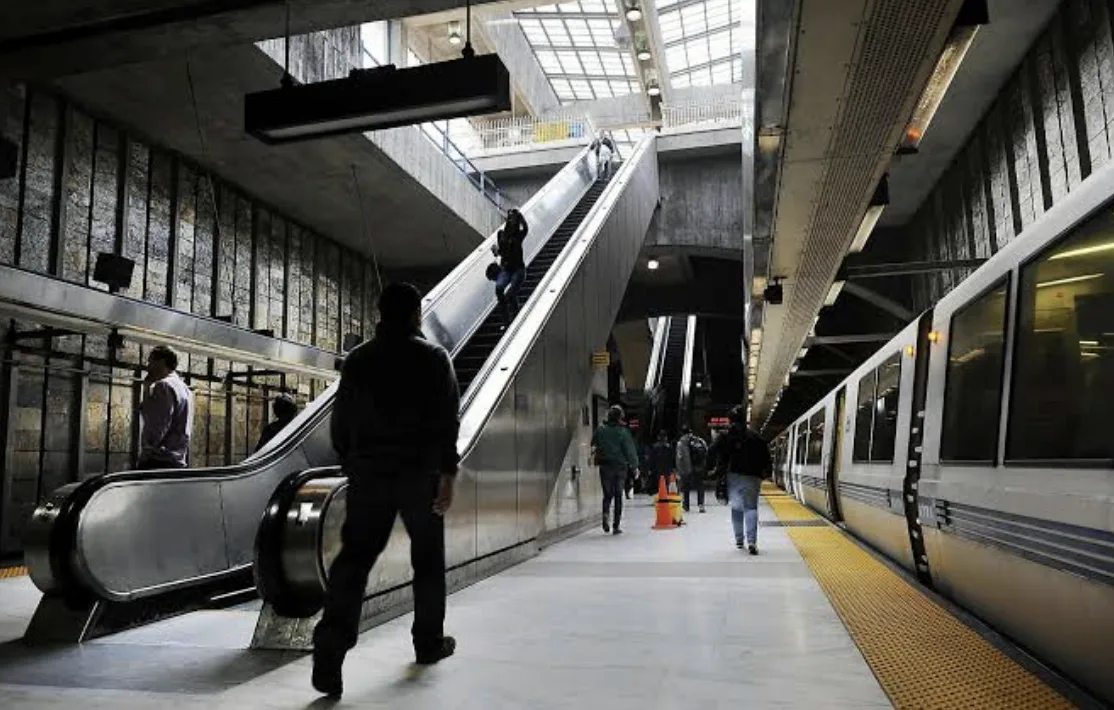
One of the film’s most recognizable San Francisco locations is Glen Park BART Station at 2901 Diamond Street. Seth Rogen and Olivia Wilde filmed there on May 20, 2025, with a 25-person production group operating under a BART filming permit. The station remained in regular service while production was underway, which allowed the footage to retain the movement and unpredictability of an ordinary weekday commute.
According to the permit details reported by the San Francisco Chronicle, Rogen’s Joe was filmed traveling with a bicycle, getting off at Glen Park, taking the escalator and leaving the station. The crew also boarded an in-service train running between Glen Park and Balboa Park, making the passengers around the actors genuine commuters rather than a fully controlled crowd of background performers. The approximately four-hour shoot was organized around normal BART operations instead of closing the station for production.
A.P. Giannini Middle School Became Joe’s Workplace
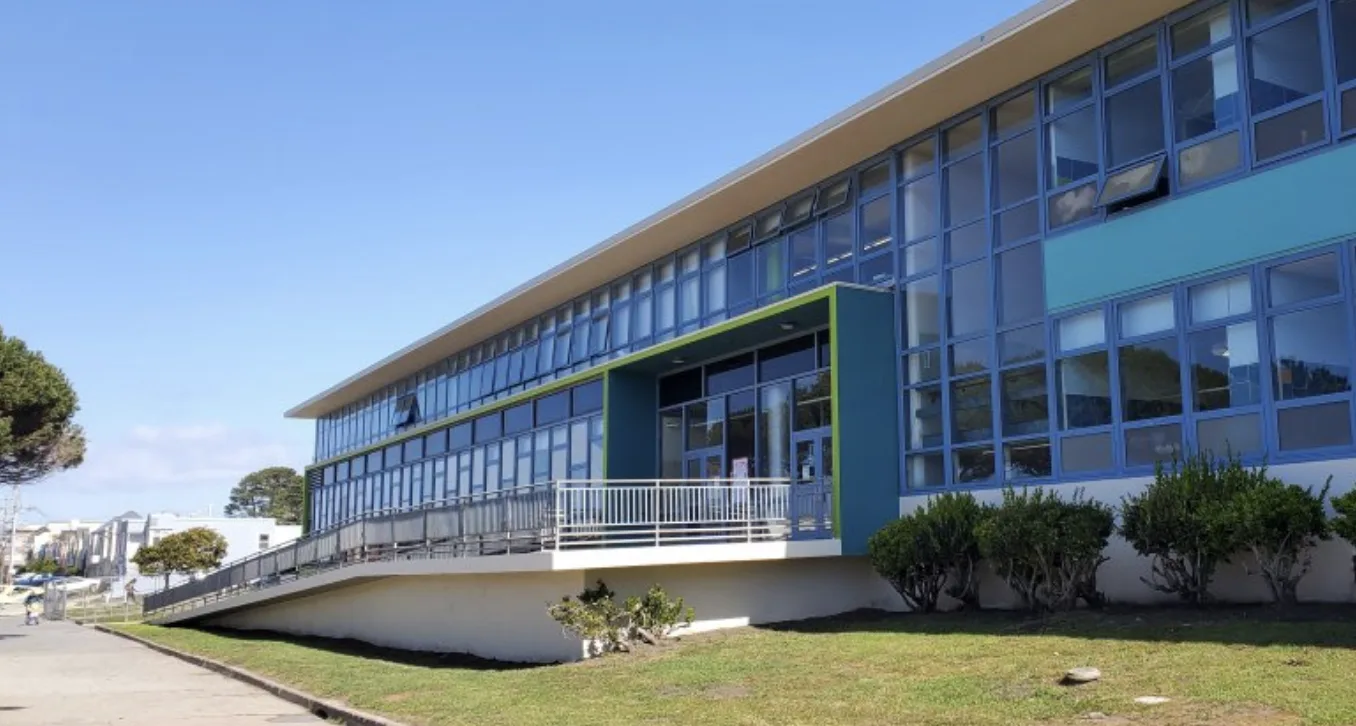
Earlier that same day, production moved into A.P. Giannini Middle School at 3151 Ortega Street in San Francisco’s Outer Sunset neighborhood. The movie filmed inside the school’s auditorium, with Rogen involved in the sequence while Wilde directed. The location fits Joe’s professional life as a frustrated musician who now works as a music teacher.
Assistant Principal Heidi Smoot told local reporters that the production was kept relatively self-contained while classes continued elsewhere on campus. The crew was particularly drawn to the auditorium’s older character, including its original seating and Art Deco qualities. Rather than constructing an anonymous school interior in Los Angeles, the sequence consequently carries the worn-in appearance of an actual San Francisco public school.
The Mission, Castro and North Beach Locations
The production’s second major day in San Francisco moved through three very different neighborhoods. In the Mission District, filming took place at the Make-Out Room, 3225 22nd Street, a long-running nightlife venue known for its distinctive interior and pink exterior sign. Production vans filled the surrounding block, while the entrance was screened off during work inside and around the club.
Wilde was also filmed shopping at the Castro Farmers’ Market at 270 Noe Street, where the market remained open during production. Cameras followed Angela through the stalls as she selected items including produce, flowers and eggs. Because normal vendors and shoppers continued around the shoot, the scene has the everyday neighborhood quality the production was trying to preserve.
North Beach supplied another unmistakably local stop: Molinari Delicatessen at 373 Columbus Avenue. The production filmed interiors at the historic Italian deli on May 21, temporarily closing the business early and restricting parking along nearby stretches of Vallejo Street, Columbus Avenue and Stockton Street. Molinari’s official site confirms the Columbus Avenue address, while local filming notices documented the interior shoot.
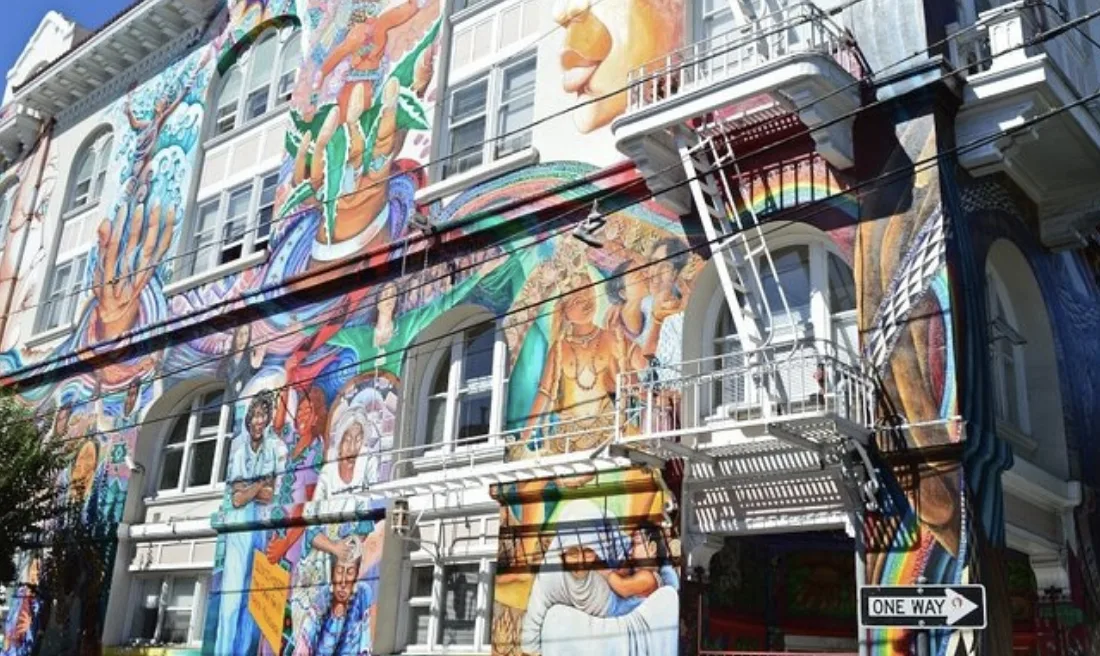
Film SF has additionally listed production activity around Pacific Avenue at Mason Street, Hyde Street between Filbert and Greenwich, Filbert Street between Jones and Larkin, and Mission Street between 22nd and 24th Streets. The city’s film office noted that some of this material was associated with opening montage or flashback work and that not every piece necessarily survived into the finished cut.
Joe and Angela’s Apartment Was Built in Los Angeles
The location audiences see most often was not a real San Francisco apartment at all. Production designer Jade Healy built Joe and Angela’s home from scratch on a soundstage at Sunset Las Palmas Studios, 1040 North Las Palmas Avenue in Hollywood, Los Angeles. Architectural Digest confirmed that Healy had scouted real San Francisco homes for inspiration before creating the extensive set, which included interconnected rooms, hallways and ceilings.
That construction gave Wilde far more control than a real apartment would have allowed. Healy based the layout on older San Francisco units but deliberately avoided the screenplay’s proposed open-plan design, creating a more divided, maze-like home where characters could disappear into separate rooms as the dinner fractured into smaller confrontations. Wilde and Healy used doorways, mirrors and interior barriers to visually reinforce the growing distance between Joe and Angela.
Even the apartment’s imperfections were planned. Mismatched moldings, old floors, layered artwork and evidence of piecemeal renovation were meant to give the impression that the couple had occupied and modified the space for years. Almost the entire movie depends on that illusion, and the result is an interesting reversal of the usual location strategy: San Francisco supplies enough genuine detail outside the apartment to make audiences accept the carefully fabricated San Francisco home waiting back in Los Angeles.
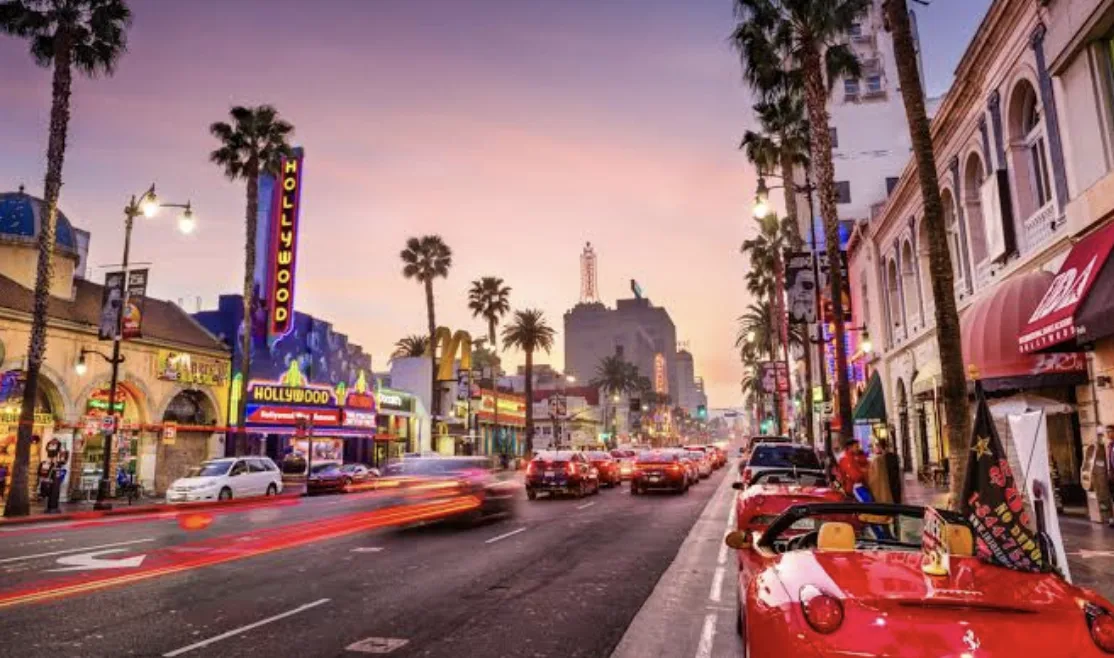
For a film built around four people trapped together for one increasingly revealing night, The Invite does not need panoramic views of San Francisco every few minutes. Its location work instead appears in carefully chosen pieces: a crowded BART train, an old school auditorium, a neighborhood market, a Mission nightclub and a North Beach deli. Those real spaces establish the city quickly, allowing the Los Angeles apartment set to take over and become the claustrophobic stage on which Joe and Angela’s marriage is finally forced into the open.