The Sun Never Sets Filming Locations
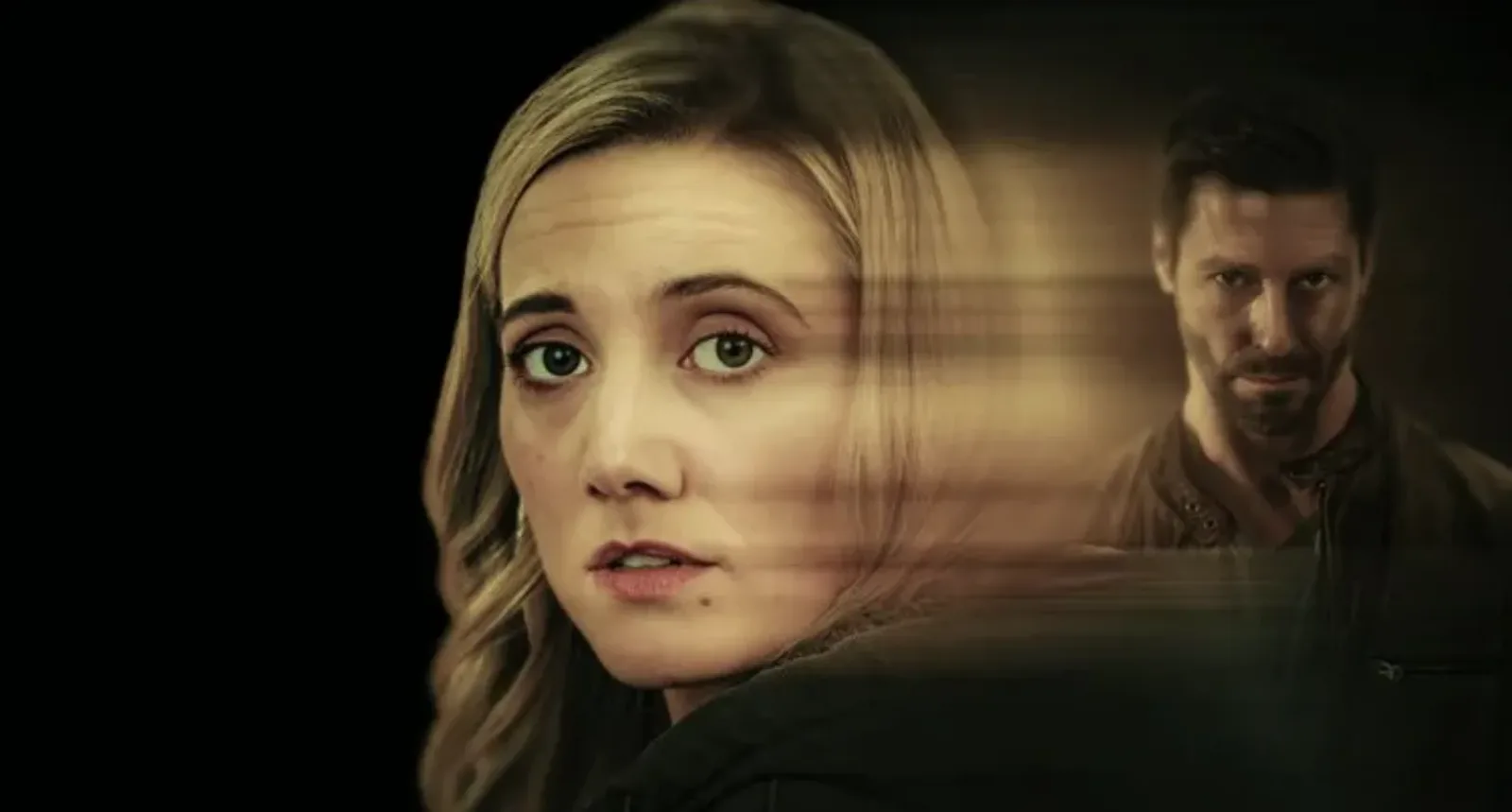
Joe Swanberg’s The Sun Never Sets places a messy romantic decision against a setting so striking that it becomes impossible to separate the characters from their surroundings. Dakota Fanning plays Wendy, whose relationship with Jack, an older divorced father played by Jake Johnson, reaches an uncomfortable crossroads when he suggests that they spend some time…
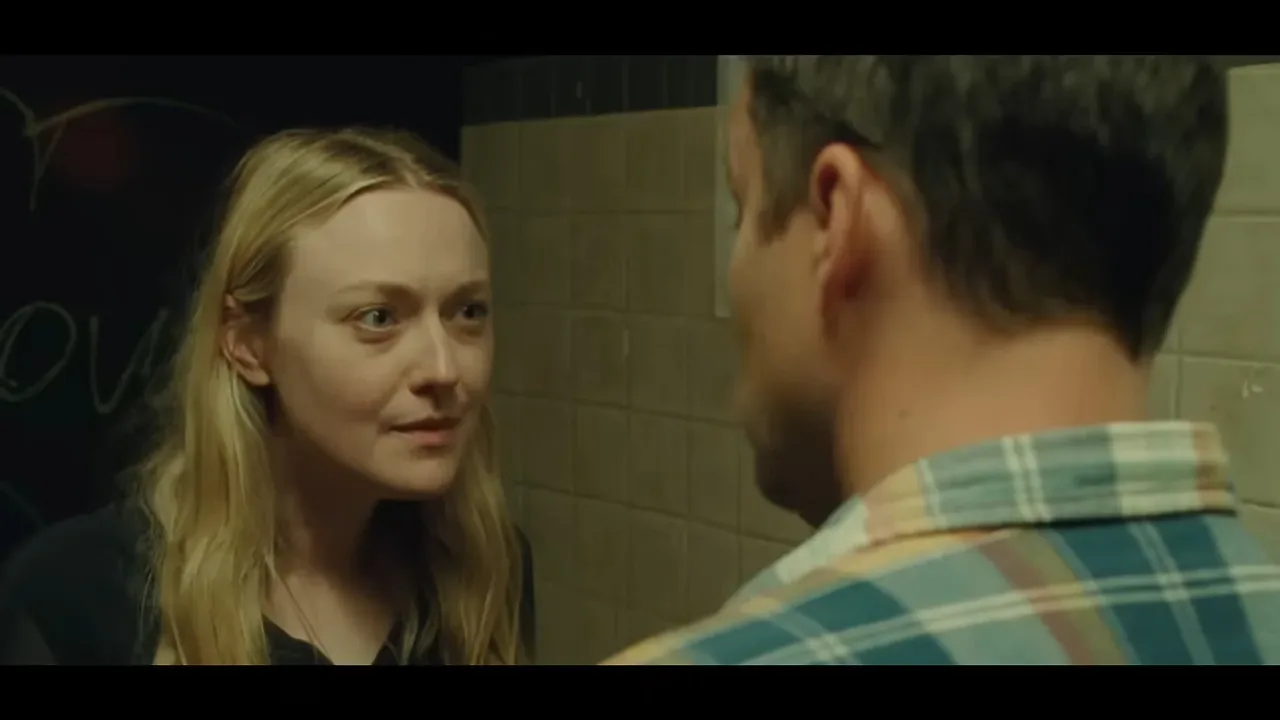
Joe Swanberg’s The Sun Never Sets places a messy romantic decision against a setting so striking that it becomes impossible to separate the characters from their surroundings. Dakota Fanning plays Wendy, whose relationship with Jack, an older divorced father played by Jake Johnson, reaches an uncomfortable crossroads when he suggests that they spend some time apart. The situation becomes considerably more complicated when Wendy reconnects with her former boyfriend Chuck, played by Cory Michael Smith.
Instead of placing that love triangle in one of the apartments, restaurants and Chicago neighborhoods often associated with Swanberg’s earlier films, The Sun Never Sets heads north. The romantic drama was shot on location in Alaska, primarily around Anchorage, with production also traveling to Whittier and using the landscapes surrounding the city. The filmmakers photographed the movie on 35mm, allowing Alaska’s long summer daylight, mountains and open spaces to become a defining part of its visual identity.
Also Read: Surviving the Silence: The Roxane Gay Story Filming Locations
Anchorage, Alaska
Anchorage served as the production’s main filming base and is also where much of Wendy’s story is set. Local reporting confirms that the movie was shot in the city, with Alaska residents appearing alongside the principal cast and crew. The production returned to Anchorage for its Alaska premiere in September 2026, giving many of those local participants their first opportunity to see the completed film where it had been made.
Swanberg did not arrive in Anchorage and simply use whatever locations were convenient. He visited the city twice before principal photography to scout and learn how people actually lived there. The director later explained that local residents helped the team with locations, equipment and information, which allowed him to make Anchorage feel like the characters’ real home rather than an anonymous scenic backdrop.
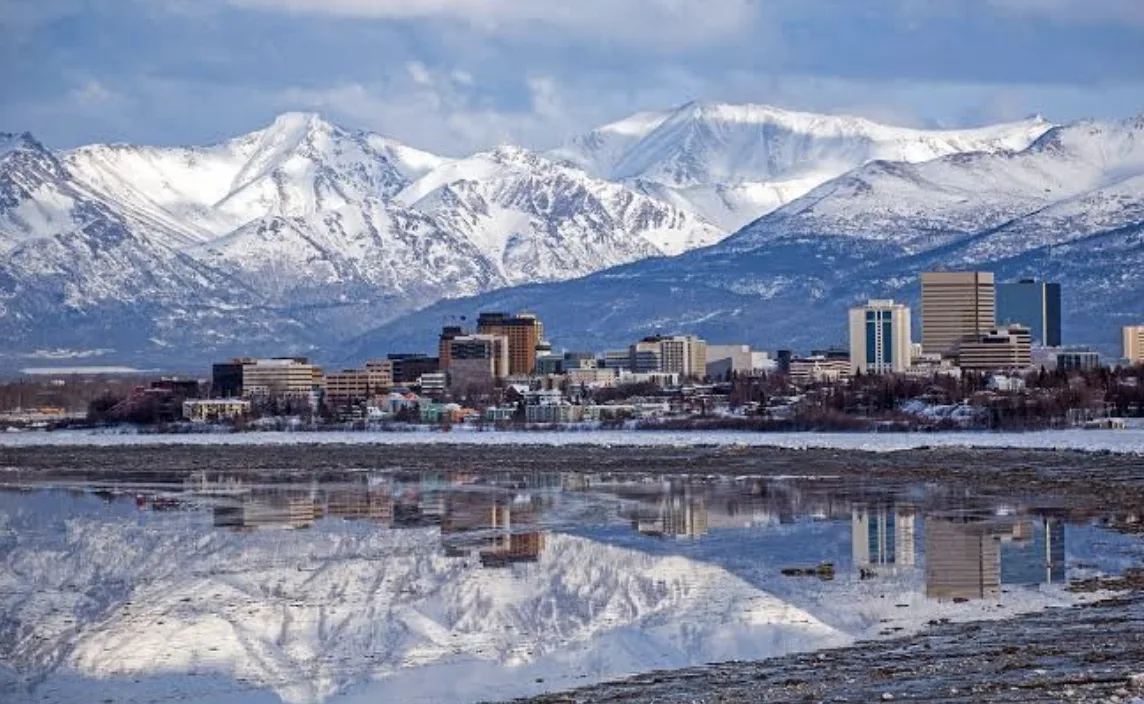
That preparation also changed the screenplay once filming began. Swanberg had originally placed a number of conversations inside bars, apartments and restaurants, but Alaska’s summer weather encouraged him to relocate several scenes to parks, hiking trails and patios. The move is particularly noticeable in a film built around long conversations, because even intimate relationship scenes frequently have mountains, trees or open sky somewhere around them.
Whittier, Alaska
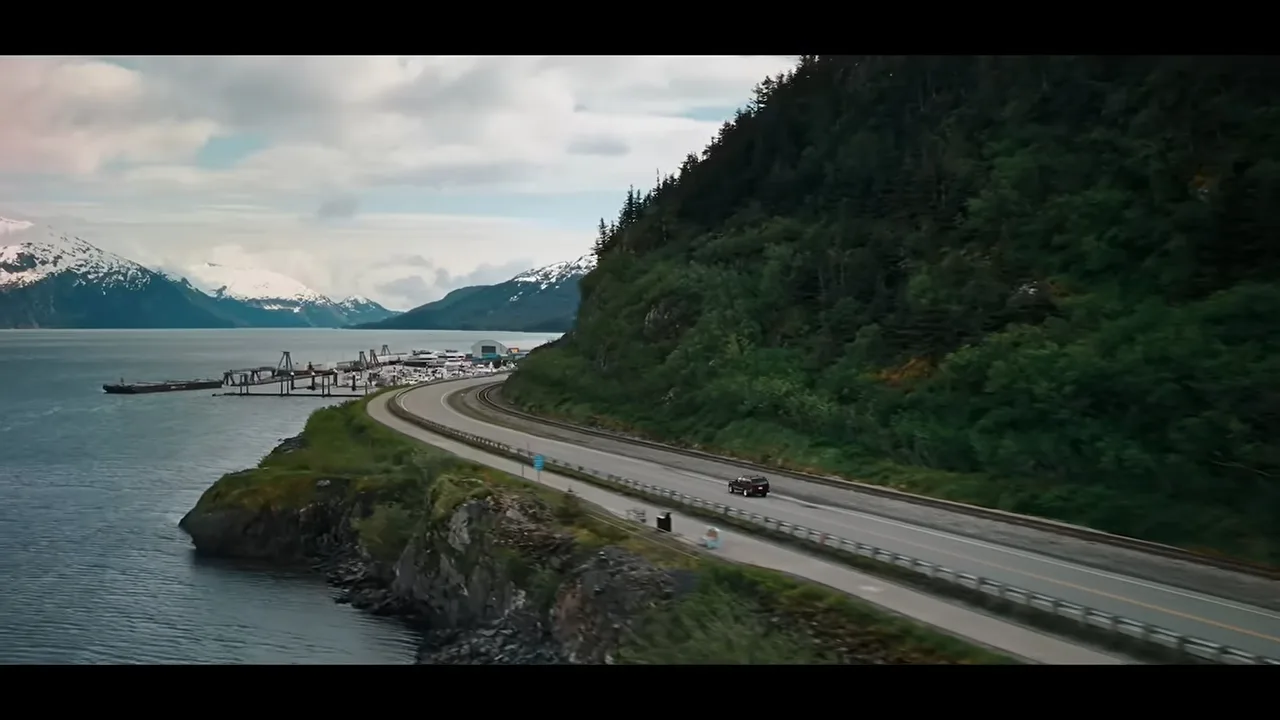
Whittier was another confirmed stop during production. Dakota Fanning has spoken specifically about filming there and described it as one of the more unusual locations she had encountered during her career. Reaching the small community required the crew to work around access through the Anton Anderson Memorial Tunnel, whose controlled schedule meant the production could not simply enter and leave whenever it wanted.
The Whittier area gives The Sun Never Sets access to a dramatically different side of Alaska without moving hundreds of miles from Anchorage. Mountains crowd closely around the roads and water, while the route toward the town passes through the Portage Valley before reaching the tunnel. Those surroundings suit the movie’s preference for putting its characters outdoors instead of isolating their conversations inside conventional sets.
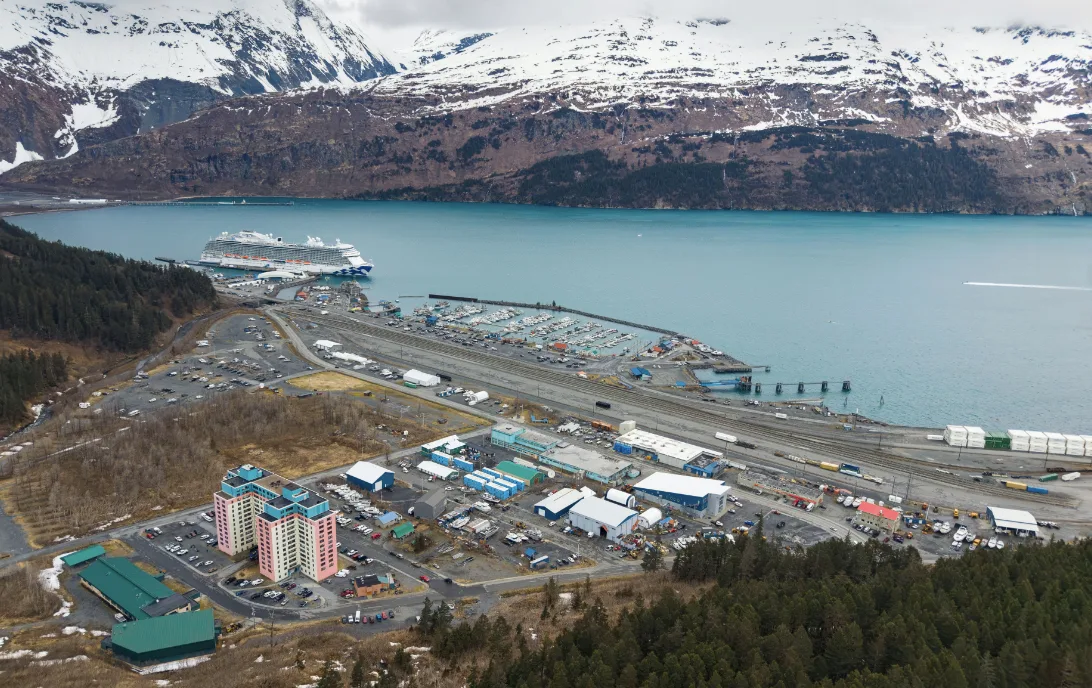
Fanning’s memories of the shoot also underline how unusual the experience was for the cast. She has said that Alaska encouraged her to spend far more time outside than she normally would, with the scenery making her want to be on the water or in the mountains. She also learned to operate equipment including a bulldozer and forklift for Wendy’s construction-related work.
Seward Highway and Turnagain Arm
The production also used the corridor south of Anchorage associated with the Seward Highway, including landscapes around Turnagain Arm and the route toward Whittier. Specific location reporting places filming near the Whittier turnoff and the approach to the Anton Anderson Memorial Tunnel.
That stretch of road provides some of the movie’s most recognizably Alaskan scenery. Rather than needing digital mountains or distant establishing shots filmed by a separate unit, the production could place its actors directly in a landscape where highway, water and mountains exist within the same frame.
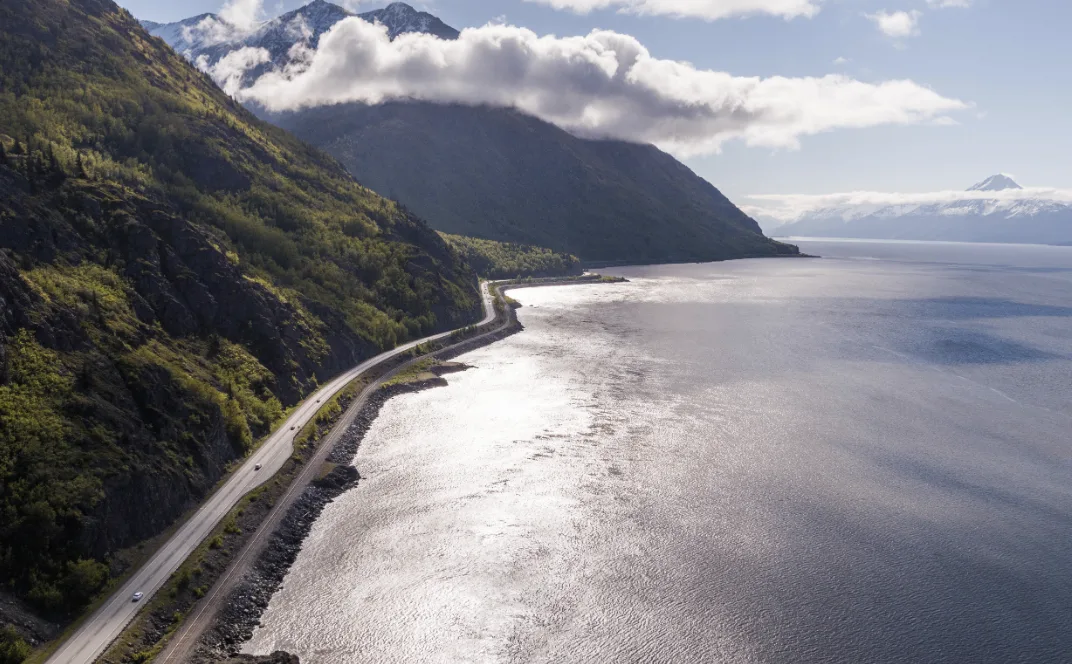
Beluga Point, a roadside area along the Seward Highway south of Anchorage, has also been identified in location reporting as one of the places appearing in the film. Because the production has not released a scene-by-scene official location list, it is safer to describe Beluga Point as a reported filming site rather than assign a particular Wendy or Chuck sequence to it without confirmation.
Eagle River and Chugach State Park
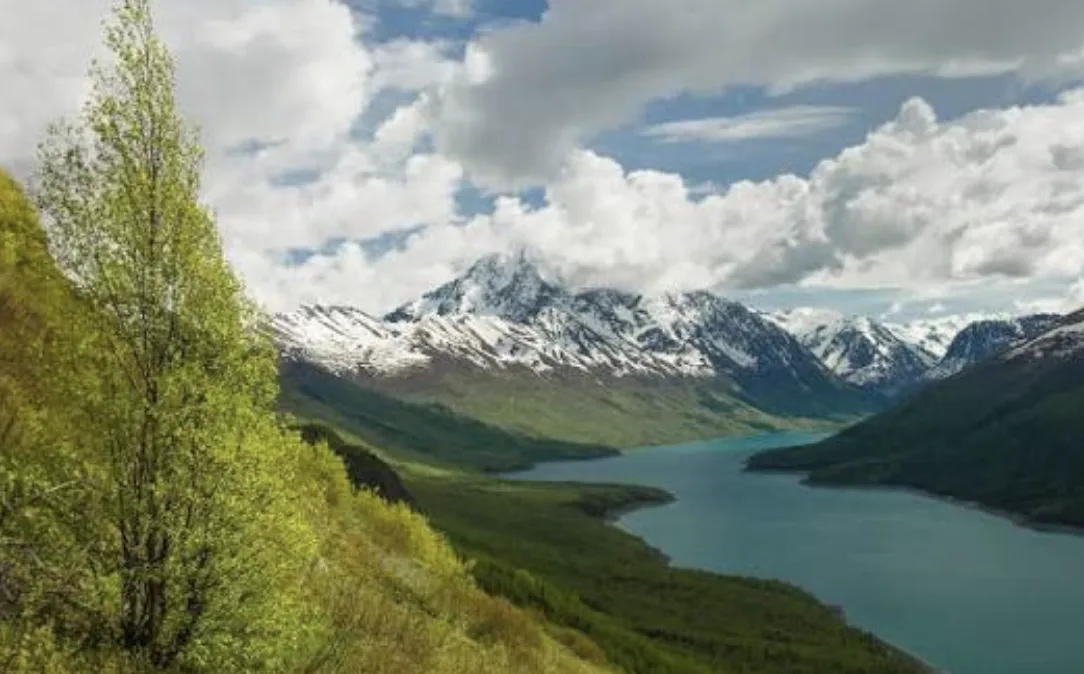
Areas around Eagle River and Chugach State Park have similarly been associated with The Sun Never Sets’ outdoor photography. These locations lie close enough to Anchorage to be practical for a relatively small independent production while providing forests, river valleys, trails and mountain scenery that can feel much farther from the city.
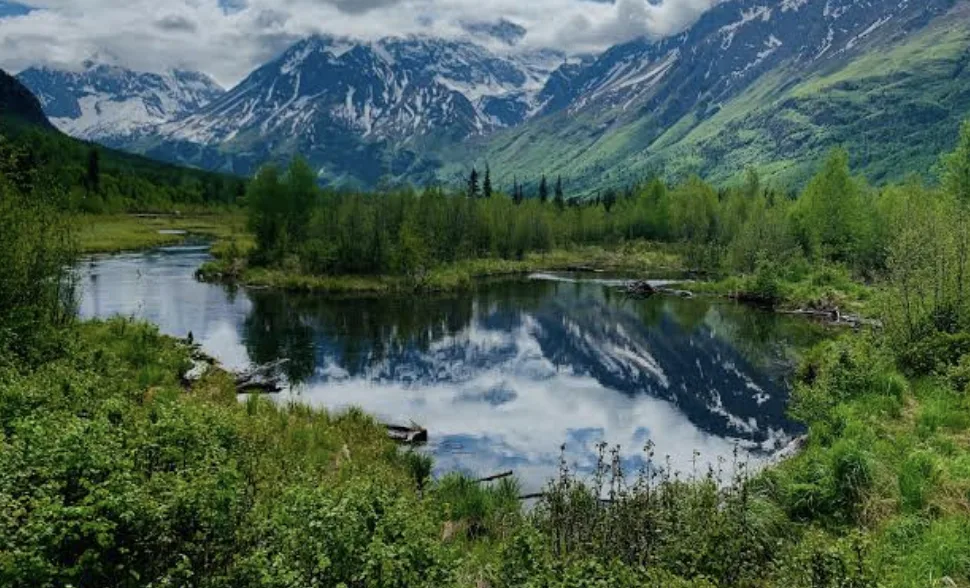
The important production detail is not simply that Swanberg wanted attractive Alaska footage. He deliberately moved scenes outdoors after seeing how much time Anchorage residents spend outside during favorable summer weather. The parks and trails therefore became functional dramatic spaces where Wendy, Jack and Chuck could talk, argue and reconsider their relationships rather than decorative establishing shots inserted between scenes.
Why Joe Swanberg Chose Alaska
Alaska entered the project through producer Ashleigh Snead, who was based in Anchorage and encouraged Swanberg to consider making a film there. Swanberg had been carrying an earlier version of the relationship story for several years, but Snead’s opportunity to mount a production in Alaska gave him a reason to revive and reshape it.
The change proved substantial. Swanberg’s films are often built from small rooms and conversational spaces, whereas The Sun Never Sets places equally personal problems against enormous landscapes. The director retained his semi-improvised, character-driven approach, but the visual scale around those conversations became much larger.
Even the movie’s title fits the production experience. Filming took place during Alaska’s extremely long summer days, and Fanning has recalled the strange near-constant daylight that accompanied the May and June shoot. Rather than trying to disguise those conditions, the filmmakers allowed the lingering natural light to become part of the movie’s atmosphere.

The Movie Was Shot on 35mm in Alaska
One of the more unusual choices was Swanberg and cinematographer Eon Mora’s decision to photograph The Sun Never Sets on 35mm film. SXSW’s official program and the movie’s distributor both confirm that the feature was shot on location in Alaska using the format.
The result is a film where Alaska does not feel interchangeable with another northern location. Anchorage is genuinely Anchorage, the trip toward Whittier uses real roads and mountain terrain, and the long summer daylight belongs to the place where the characters are supposed to live.
That authenticity was central to Swanberg’s approach. The Sun Never Sets could have told essentially the same love-triangle story somewhere else, but shooting it in Alaska changed where the characters spend their time, how the movie looks and even how several scenes were staged.