Where Was The Devil’s Mouth Filmed? Is the Shark Movie Based on a True Story?
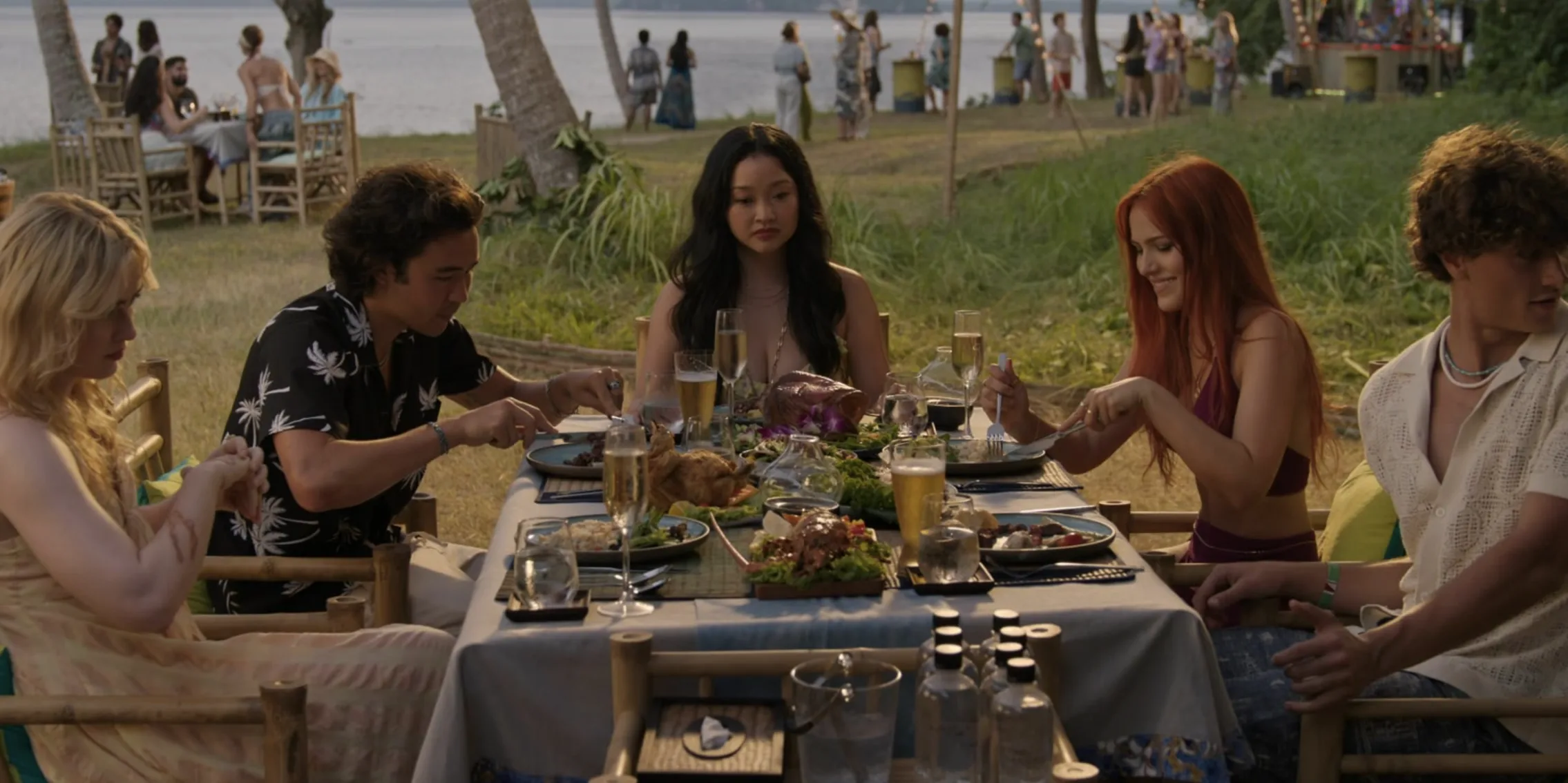
Prime Video’s “The Devil’s Mouth” sends five college friends into the sort of vacation attraction that should probably require several waivers and a working satellite phone. Sara, Max, James, Adrienne and Greg arrive in Thailand hoping to celebrate the end of one chapter in their lives. Their plans lead them to a remote cave system,…
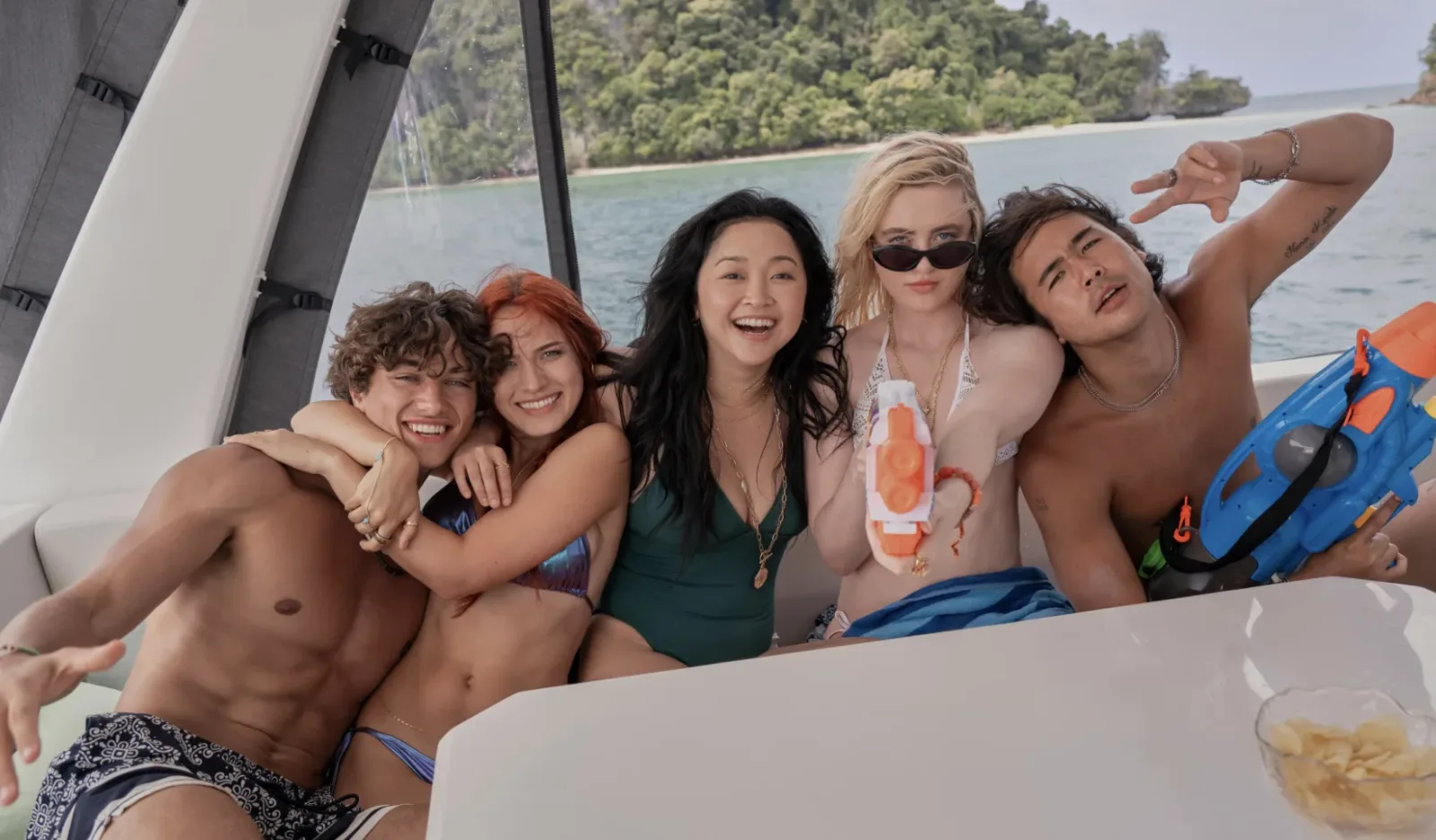
Prime Video’s “The Devil’s Mouth” sends five college friends into the sort of vacation attraction that should probably require several waivers and a working satellite phone. Sara, Max, James, Adrienne and Greg arrive in Thailand hoping to celebrate the end of one chapter in their lives. Their plans lead them to a remote cave system, where rising water and an aggressive bull shark turn an adventure tour into a claustrophobic fight for survival.
Directed by Jeff Wadlow, the survival thriller stars Kathryn Newton, Lana Condor, Nico Hiraga, Gavin Casalegno and Tommi Rose, with Thai actor Tayme Thapthimthong playing the group’s cave-diving guide. The film premiered on Prime Video on July 29, 2026, after completing production in September 2025.
The Devil’s Mouth Filming Locations
“The Devil’s Mouth” was filmed predominantly in Thailand, with production moving between Mae Hong Son, Krabi, Chonburi and the Greater Bangkok area. Some early location listings also name Chiang Mai, while IMDb includes Village Roadshow Studios in Oxenford, Queensland, as an additional studio location. Filming reportedly ran from June 26 to September 11, 2025.
Rather than constructing the entire environment indoors, Wadlow combined genuine caves, reservoirs and tropical landscapes with flooded cave sets. That mixture is important to the finished movie. The first part of the journey feels open and inviting, but the locations gradually become darker, narrower and more artificial as the characters move deeper underground.
Tham Lot Cave, Mae Hong Son
The northern section of the production took the cast and crew to Mae Hong Son, where Tham Lot Cave reportedly supplied part of the setting for the entrance to the fictional Devil’s Mouth.
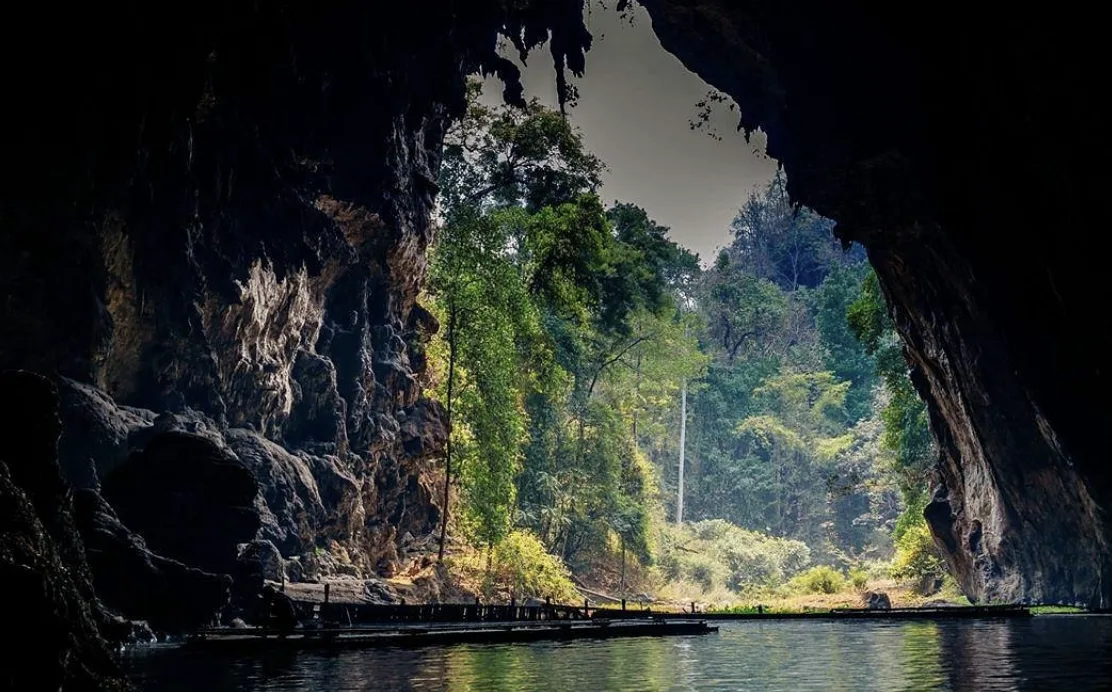
Thapthimthong confirmed that one of the first sequences was filmed at a cave entrance in Mae Hong Son. The scene involved the characters approaching by canoe before beginning their journey into the cave system. Reaching the area was apparently an ordeal of its own, with vehicles carrying actors, equipment and crew members travelling through thousands of bends along the mountainous roads.
Some published production lists refer more generally to Chiang Mai. Wadlow also recalled scouting through northern Thailand near Chiang Mai. However, the cast’s more detailed account places the filmed canoe and cave-entrance material in Mae Hong Son.
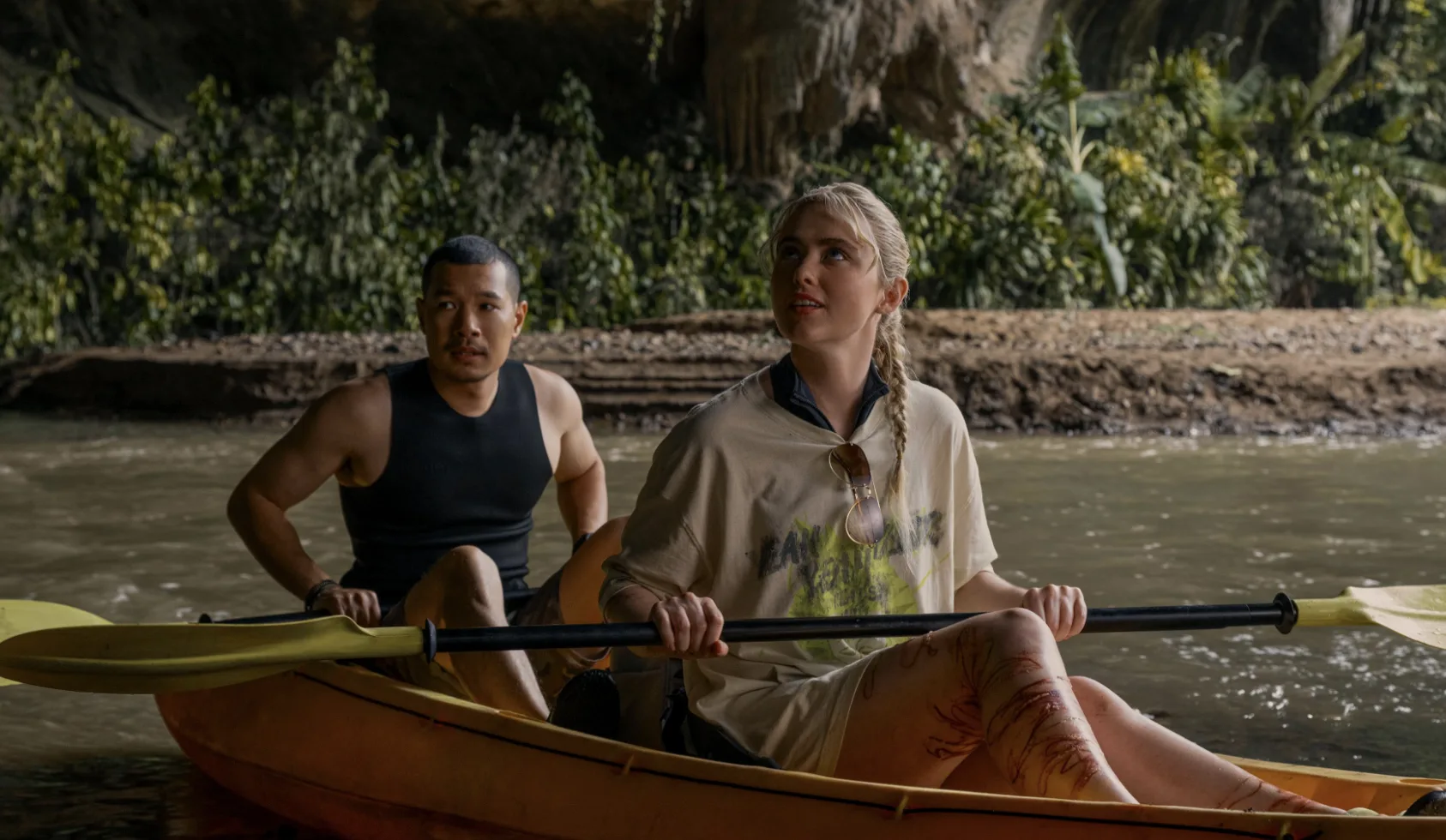
Krabi caves and coast
Krabi provided some of the movie’s most convincing natural cave footage. The southern province is known for its limestone cliffs, hidden chambers and waterways, making it an obvious visual match for a story built around an apparently beautiful destination concealing something dangerous.
Wadlow said the production entered real freshwater cave systems in Krabi, including locations used by rescue divers for training. The early swimming scenes, in which the group passes through the first chambers, were filmed inside these genuine environments rather than on a recreated set.
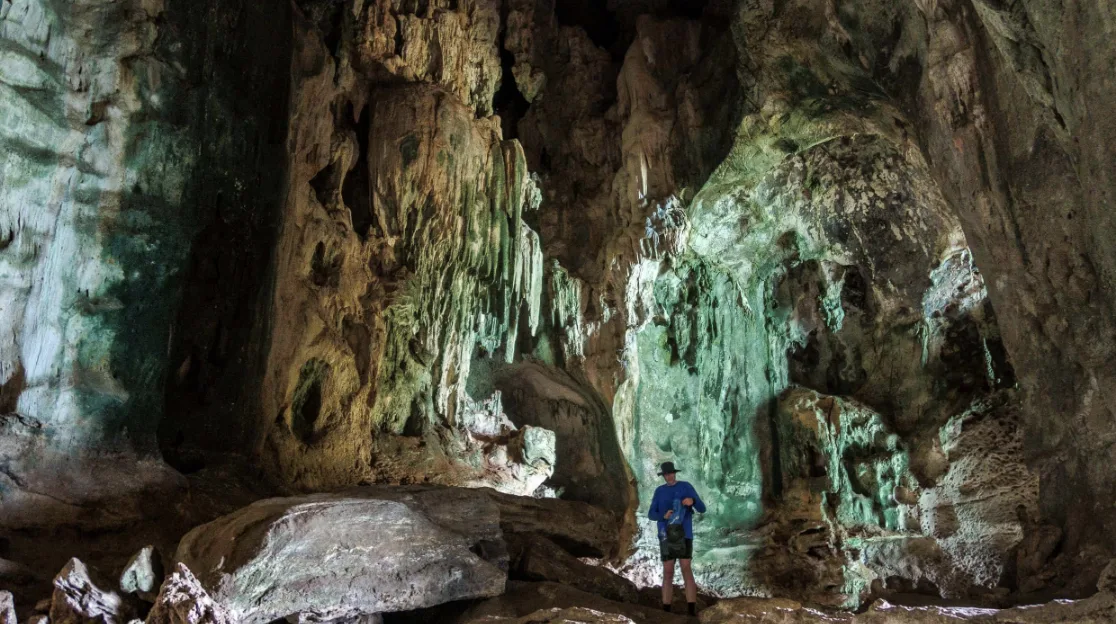
The actors were working in cold, murky water with limited visibility. Professional divers inspected the locations before filming, while safety teams remained close to the performers. According to Thapthimthong, one cave descended nearly 70 metres, and another sequence required cast members to enter water around 30 metres deep.
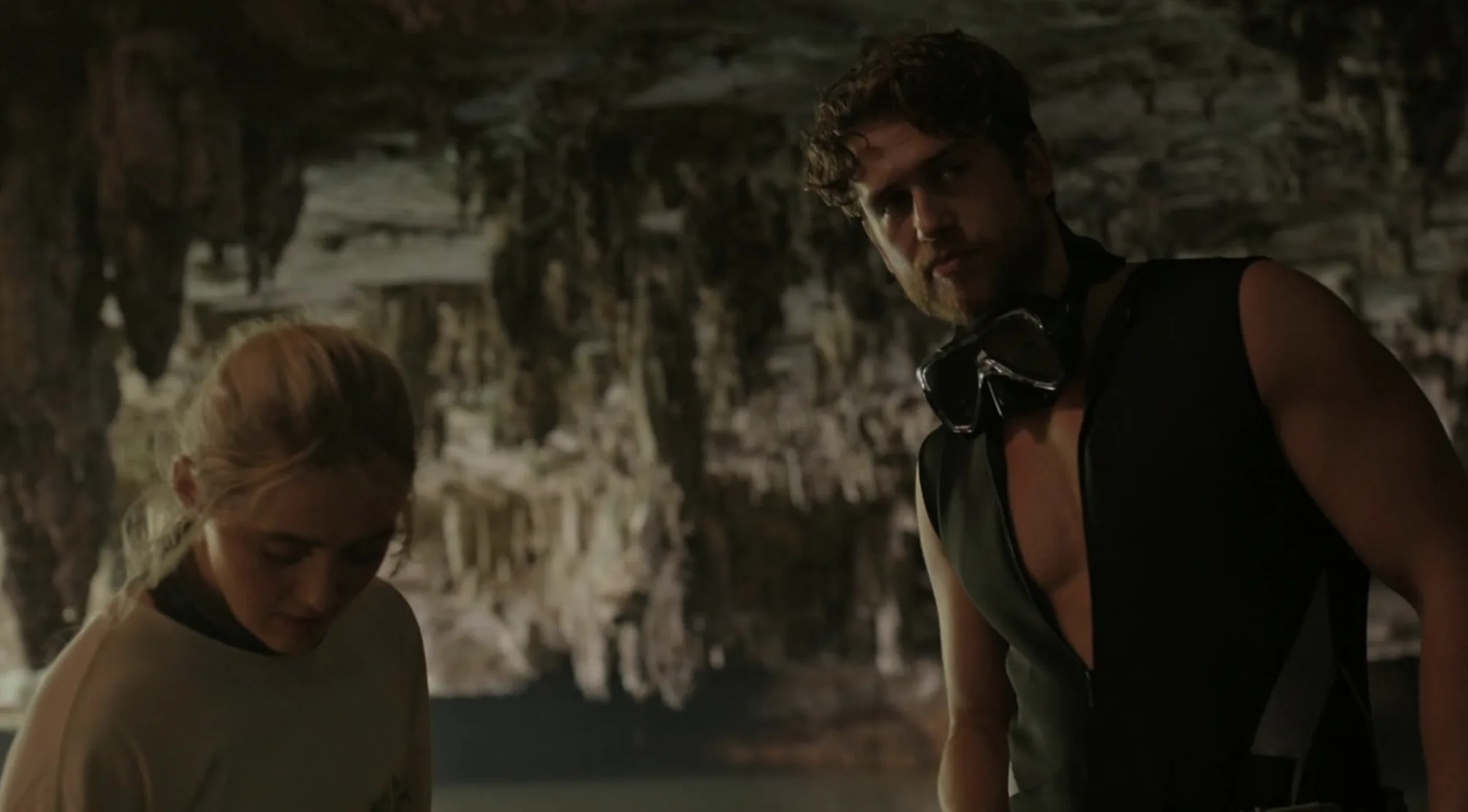
Krabi’s coastline and surrounding scenery also help establish the friends’ tropical holiday before the film closes in around them. The natural landscape gives the fictional attraction a believable geographical home, even though there is no officially recognized Thai cave called the Devil’s Mouth that corresponds exactly to the one in the story.
Bang Phra Reservoir, Chonburi
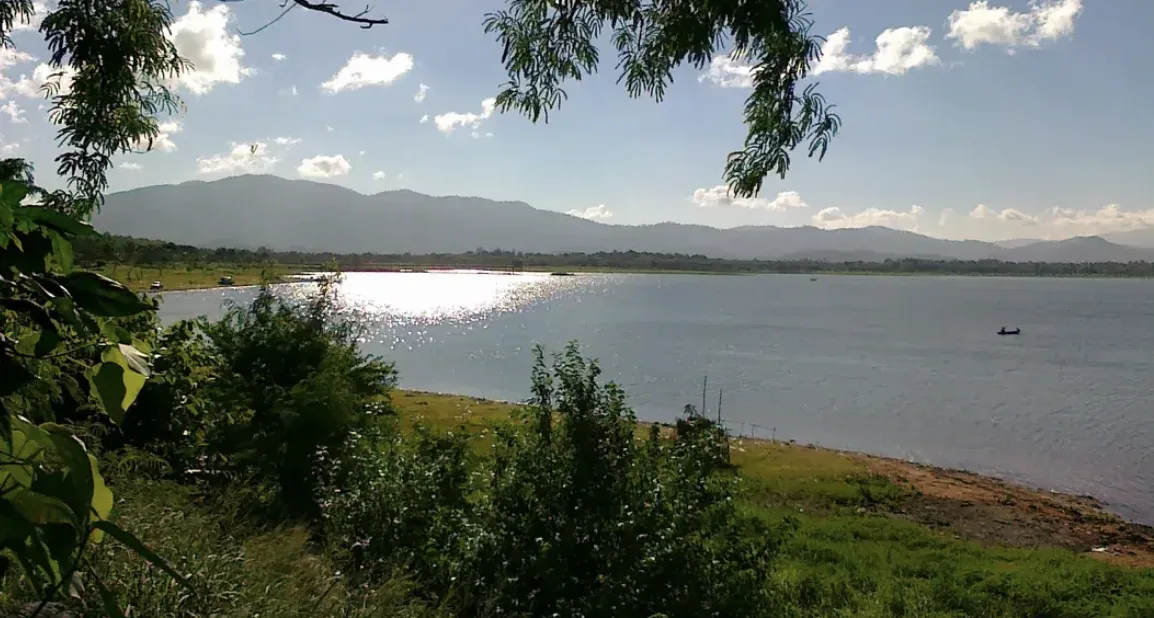
Location reporting also identifies Bang Phra Reservoir in Chonburi as one of the production’s outdoor sites. The reservoir lies east of Bangkok and added another large body of real water to a shoot already dominated by swimming, diving and aquatic stunt work.
Khaosod’s production coverage names Samut Prakan among the principal Thai filming areas, alongside Bangkok, Krabi and Mae Hong Son. Together, these locations allowed the filmmakers to create the impression of one continuous cave expedition even though the movie was assembled from several geographically separate places.
Bangkok cave sets
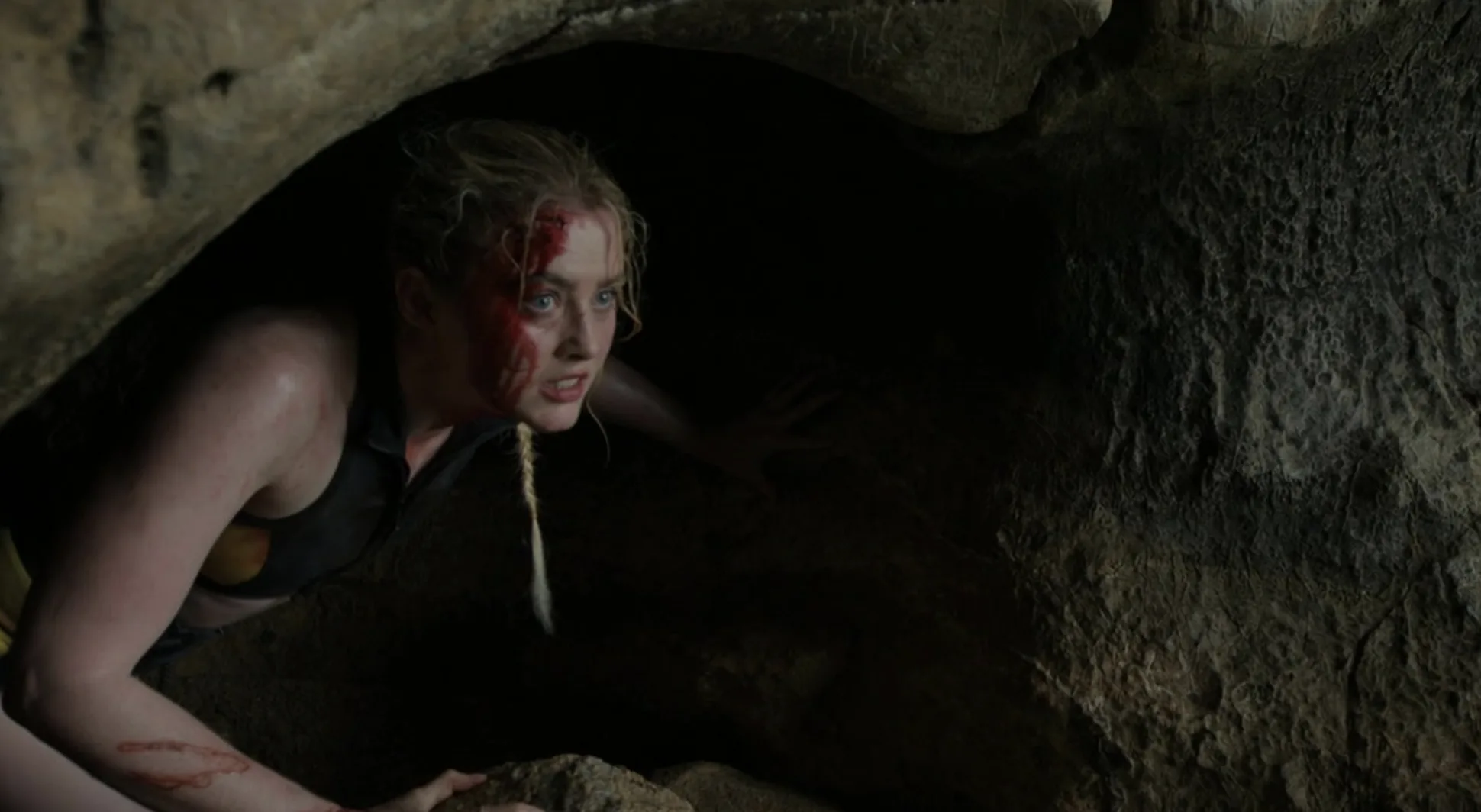
The most dangerous and technically complicated scenes were completed on specially constructed sets near Bangkok. The production built two interconnected cave environments and filled them with water.
One set contained water approximately five metres deep for underwater action. The other was shallower, at around 1.6 metres, allowing the actors to stand while performing dialogue scenes. The chambers were designed as a maze, giving the camera several tunnels and enclosed spaces through which the characters could swim.
Wadlow separately described a major flooded set measuring roughly 120 feet long and 70 feet wide, with another smaller but considerably deeper tank. These controlled environments were used once the story moved beyond the genuine cave entrances and into sequences involving stunts, the shark and increasingly narrow underwater passages.
Location reports identify The Studio Park as the Bangkok-area facility connected to the shoot. The complex is actually situated in Bang Bo, Samut Prakan, which explains why some sources list Bangkok while others name Samut Prakan.
Was it filmed in Australia?
IMDb lists Village Roadshow Studios in Oxenford, Queensland, as a studio location. The Gold Coast facility is equipped with major water tanks designed for aquatic filmmaking, so its inclusion is technically plausible.
However, the clearest first-hand production interviews consistently place the large flooded cave sets in the Bangkok area. No detailed public account has yet established which specific scenes, additional photography or technical work may have been completed at Village Roadshow Studios. Australia can therefore be noted as an additional credited production location, but Thailand was unquestionably the movie’s primary filming base.
Is The Devil’s Mouth based on a true story?
No. “The Devil’s Mouth” is not based on a specific shark attack, missing-person case or cave-diving disaster. Its characters and deadly cave expedition are fictional.
The central danger is not scientifically impossible, however. Bull sharks can tolerate both saltwater and freshwater and are known to enter estuaries, rivers, lagoons and other inland waterways. That unusual adaptability gives the movie a believable explanation for how a shark displaced by storm water could survive inside a predominantly freshwater cave system.
Thailand has also experienced documented bull shark encounters. In April 2018, Norwegian tourist Werner Danielsen was bitten while swimming at Sai Noi Beach near Hua Hin. He survived after suffering injuries to his foot and ankle. The incident was real, but there is no evidence that it inspired Wadlow’s film or that it involved a cave.
“The Devil’s Mouth” therefore uses authentic environments and credible animal behaviour to support an invented nightmare. The cave may not exist under that name, but the locations surrounding it are real enough to make the water feel considerably less welcoming.