Facing El Chapo Filming Locations
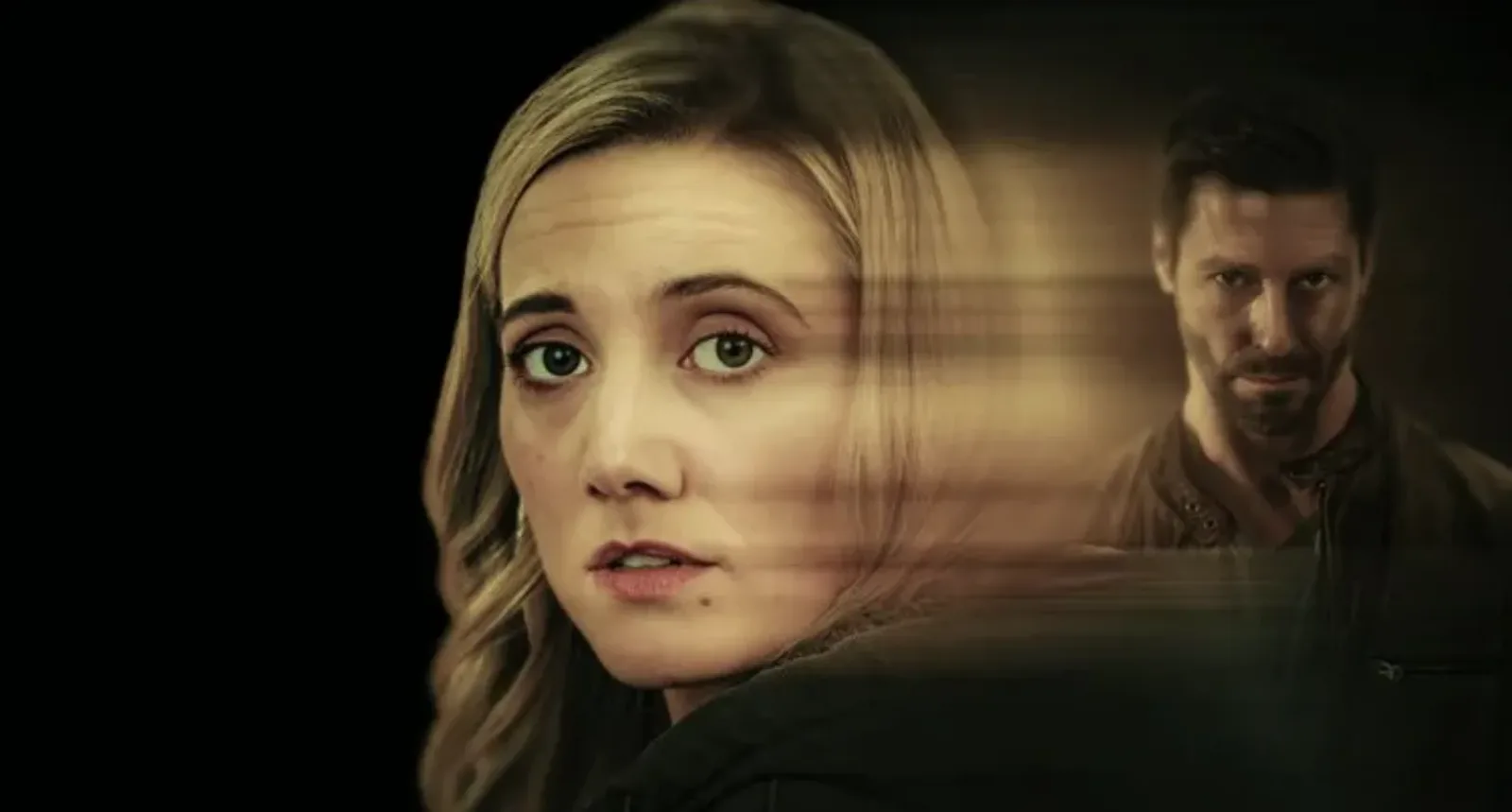
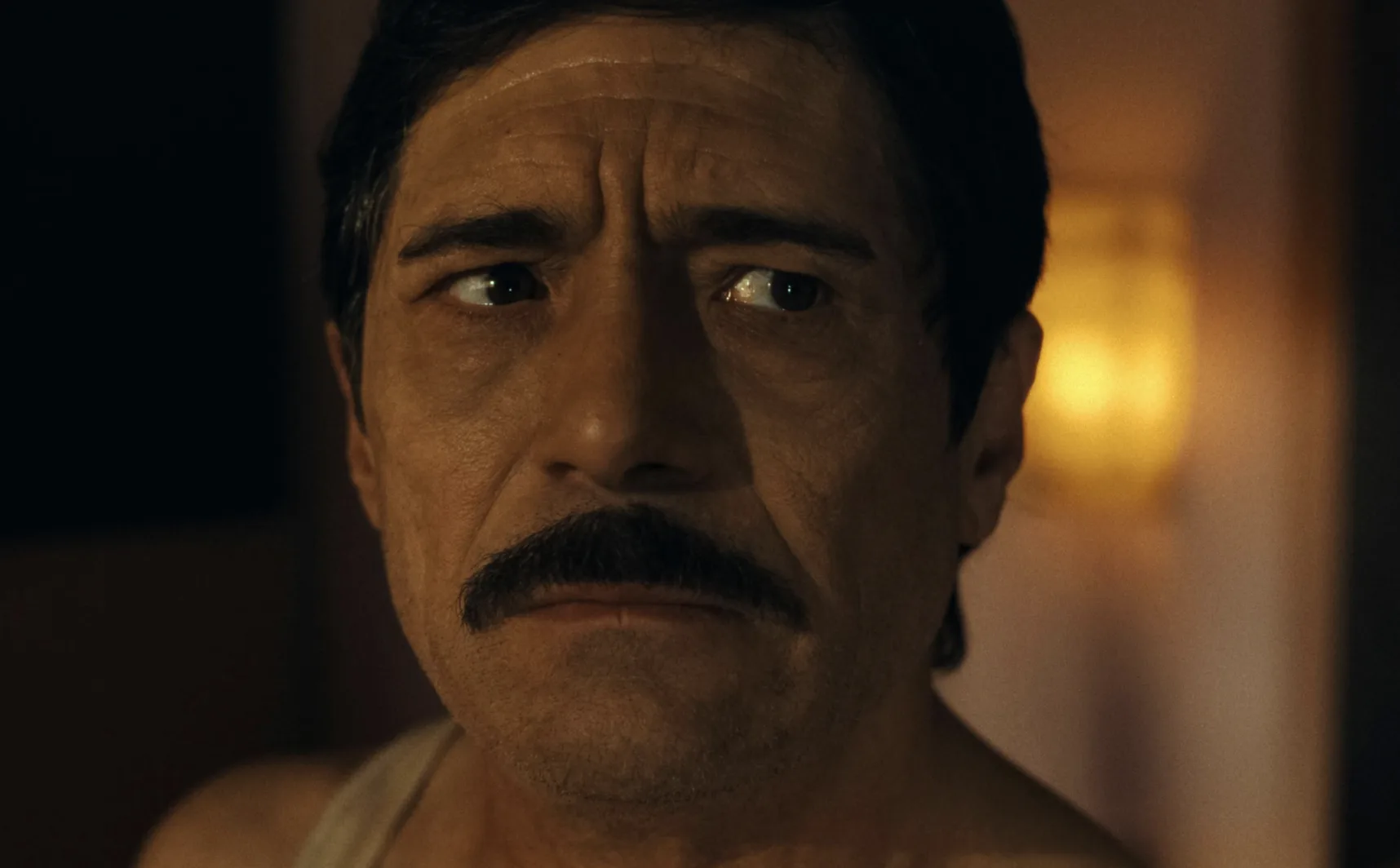
“Facing El Chapo” approaches one of Mexico’s most notorious criminal cases from an unusual angle. Rather than building another biography around Joaquin “El Chapo” Guzman, director Chava Cartas concentrates on two federal officers whose routine patrol becomes anything but routine after they encounter the fugitive cartel boss. Alfonso Herrera plays Carmona opposite Noe Hernandez as…
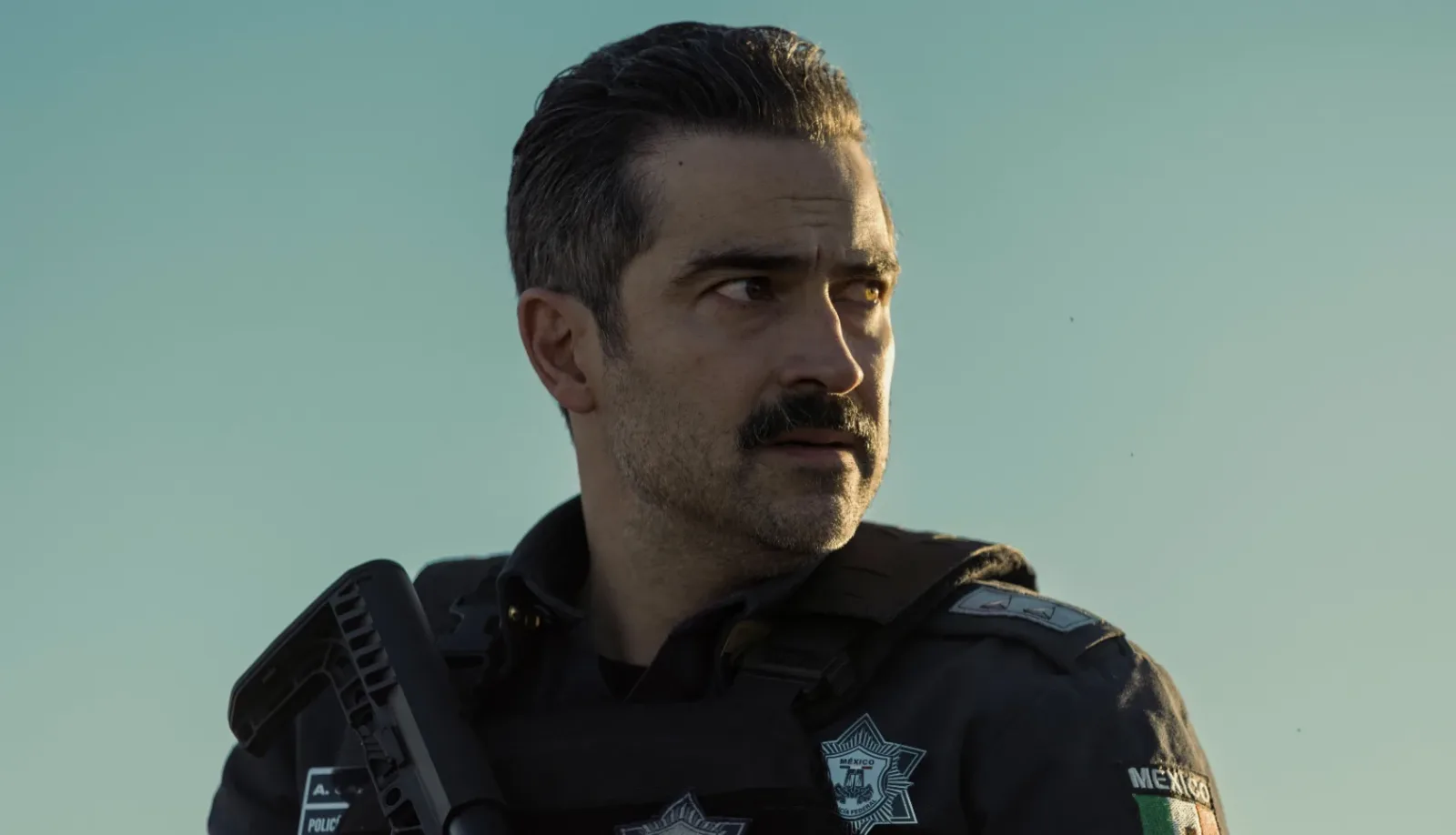
“Facing El Chapo” approaches one of Mexico’s most notorious criminal cases from an unusual angle. Rather than building another biography around Joaquin “El Chapo” Guzman, director Chava Cartas concentrates on two federal officers whose routine patrol becomes anything but routine after they encounter the fugitive cartel boss. Alfonso Herrera plays Carmona opposite Noe Hernandez as Rosales, with Hector Kotsifakis portraying Guzman. Netflix describes the crime thriller as being based on true events surrounding the operation that led to El Chapo’s capture.
The real arrest happened in Los Mochis, Sinaloa, on January 8, 2016. The movie, however, was filmed largely hundreds of kilometers away in Chihuahua state. Chihuahua City supplied busy avenues, residential neighborhoods and downtown streets, while nearby Aldama contributed houses, highways and rural terrain. Local production reporting reveals a surprisingly detailed map of the shoot, which operated for roughly two months in late 2025 under the secretive working title “Centurion.”
Chihuahua City
Chihuahua City was the main production base for “Facing El Chapo,” originally titled “La Captura” in Mexico. IMDb identifies Chihuahua as the movie’s filming location, but contemporary local coverage provides far more detail. Crews moved repeatedly through the western, central and southern sections of the city, closing major roads for action sequences and bringing in vehicles dressed as federal police units.
This was not a production that quietly borrowed one building for a weekend. Local authorities assisted with road diversions while streets were cleared for pursuits, police activity and other large exterior setups. Because the story takes place across northern Mexico, Chihuahua’s dry climate, wide roads and low-rise neighborhoods could stand in for several places without forcing the filmmakers to disguise the wider landscape.
Avenida Francisco Zarco
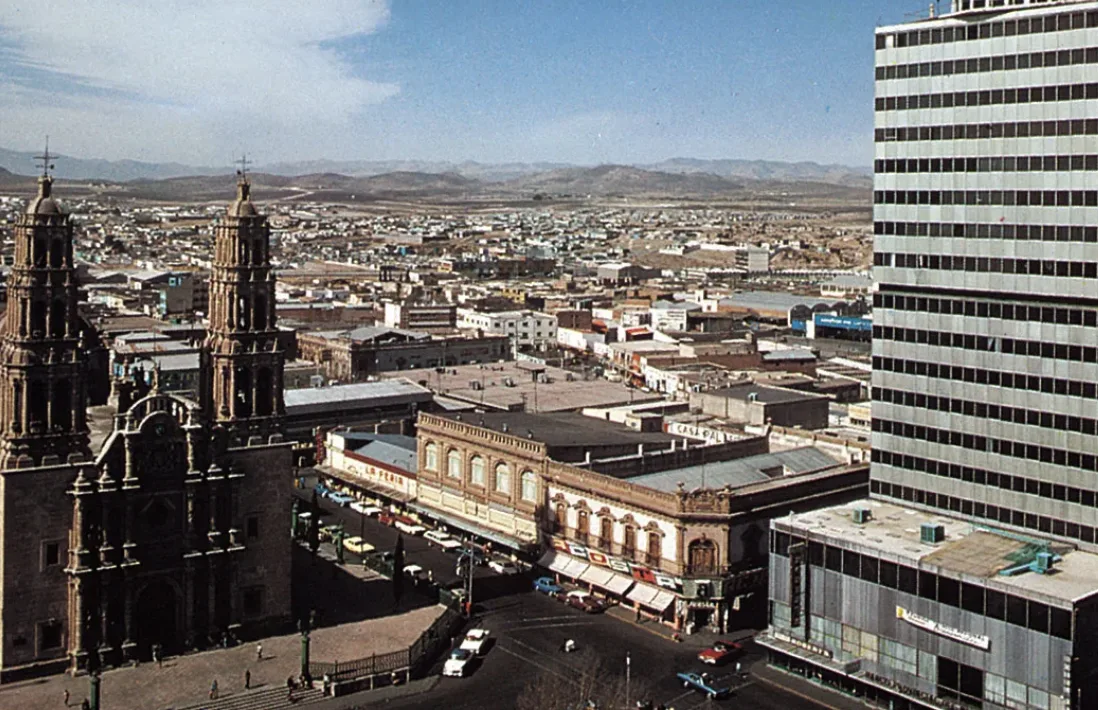
One of the most extensively documented locations is Avenida Francisco Zarco in western Chihuahua City.
On September 29, 2025, production shut down a large commercial stretch of Zarco between roughly Calle 42 and Calle 56. Metal barriers blocked vehicles and pedestrians while crews prepared a major nighttime action sequence involving characters dressed as federal police officers. Alfonso Herrera was photographed working around Zarco and Calle 44, including outside Cafe Combate.
The scale of the closure makes Zarco more significant than a passing establishing shot. Local reports described it as one of the movie’s principal action setups, with lighting crews, extras, police vehicles and security working well into the evening.
That practical street photography gives the movie something a studio backlot would struggle to reproduce. Traffic lanes, storefronts and the uneven visual texture of a working Mexican avenue remain visible beneath the production dressing.
Politecnico Nacional and Avenida Palestina
The shoot continued across several other major roads in early October.
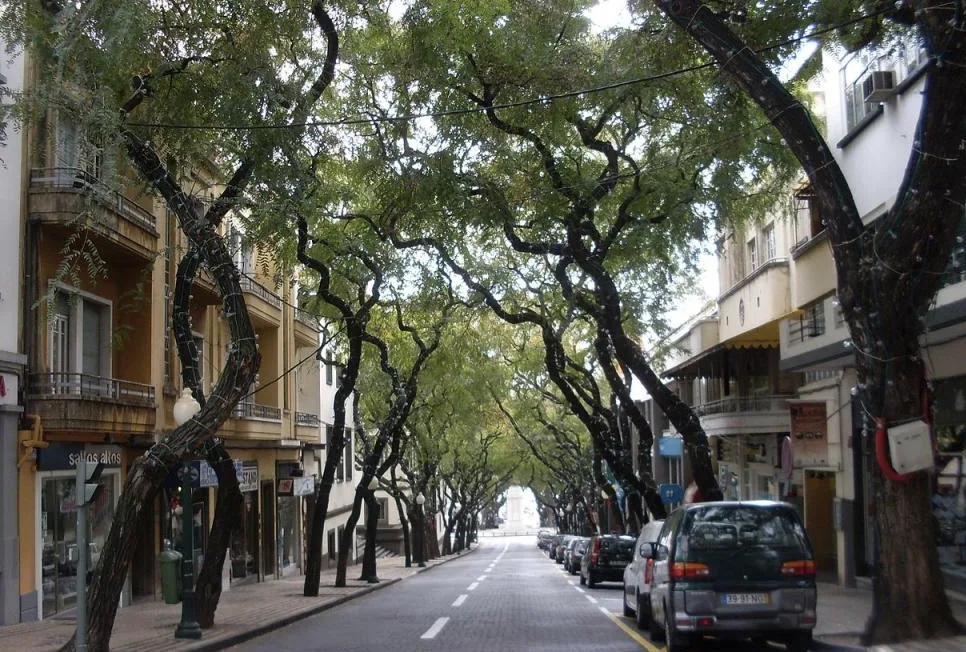
On Avenida Politecnico Nacional, filming temporarily closed the section between Bulevar Ortiz Mena and Periferico de la Juventud. Nearby Calle 28 was also affected. The same local reporting confirms additional exterior work on Avenida Palestina, giving the action unit several geographically distinct sections of Chihuahua City to work with.
These streets appear to have been particularly useful for driving and pursuit material. Rather than shooting every road scene within one recognizable district, Cartas could move between broad modern avenues and older commercial areas while maintaining the sense that Carmona and Rosales are constantly being pushed deeper into danger.

Centro Historico and Avenida Independencia
The finished trailer revealed another major part of the location strategy: Chihuahua’s Centro Historico.
Local viewers quickly recognized downtown streets in Netflix’s footage, and regional reporting specifically identifies both the Historic Center and Avenida Independencia among the movie’s filming locations.
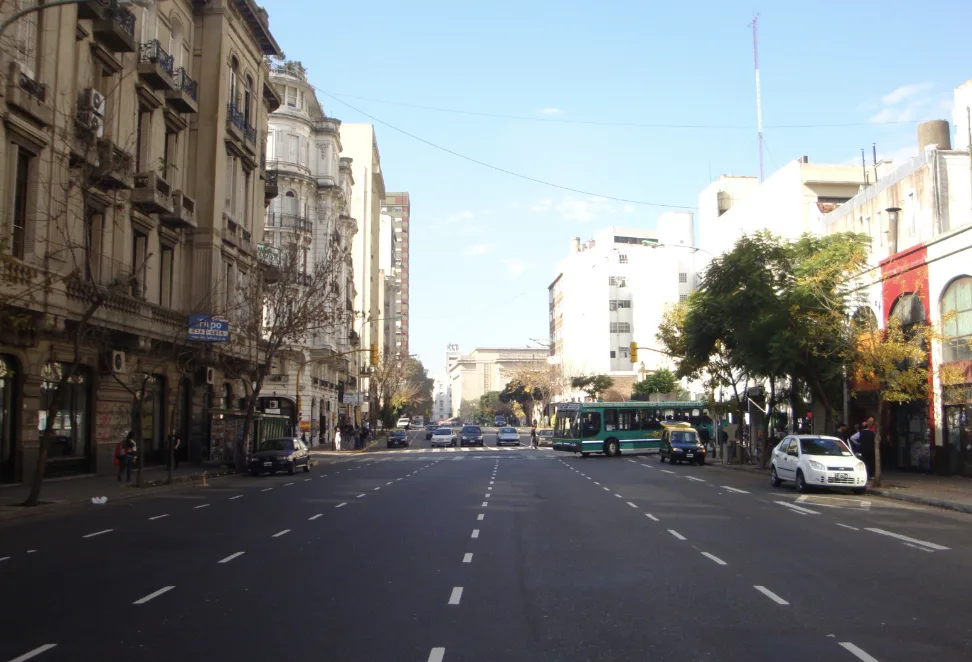
This part of Chihuahua offers a different visual character from Zarco or Politecnico Nacional. Older facades, narrower streets and historic civic architecture allow the film to move away from modern arterial roads without leaving the same city.
The production does not appear to have treated famous downtown buildings as tourist landmarks. Instead, the central district becomes part of a larger northern Mexican environment, useful for roadblocks, police movement and transitions between the film’s more enclosed confrontations.
Girasoles and Colonia Lince
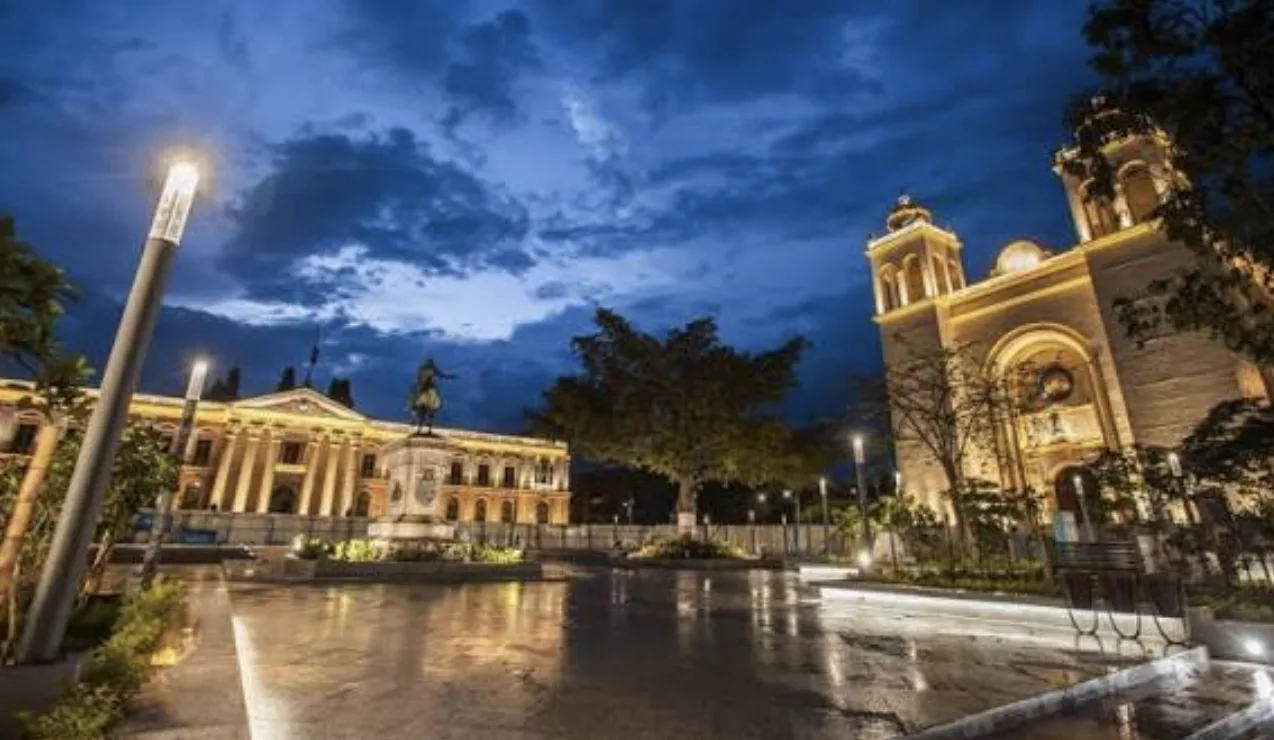
Some of the most useful production evidence comes from neighborhood residents who watched filming happen almost outside their doors.
In Girasoles 1, Herrera was filmed in police costume near the Luis Donaldo Colosio kindergarten. Videos shared locally showed the actor moving through the set as a woman arrived at the school, confirming that the neighborhood was used for character-driven material rather than only anonymous road footage.
Later in October, the production moved to Calle Lucas Balderas in Colonia Lince, close to the Seminario de Chihuahua. State police and National Guard personnel were present around the location while the crew worked.
Also Read: Never Stop Chasing Filming Locations
These smaller residential settings matter because “Facing El Chapo” is not simply a 90-minute chase. Carmona and Rosales have families and personal lives that make their decision about what to do with Guzman considerably more dangerous. The quieter neighborhood locations give that part of the story somewhere to exist outside the police action.
Aldama Becomes Several Different Places
The production expanded east into Aldama, where one location was transformed into somewhere much farther away.
At Residencial Leones, cameras took over a house on Calle Salem. Local reporting describes the neighborhood being dressed to represent Washington, D.C., complete with modified surroundings and a blue Chevrolet Camaro appearing in the sequence. Herrera was filmed arriving at the residence, where another character waited with a baby.
Aldama provided much more than that one house. Production plans also included Libramiento Oriente, Calle 3a and Insurgentes near the former gas station, Calle 8, and the intersection of Paracaidistas and Che Guevara in Colonia Villa.
The location unit then pushed into the countryside. Filming was scheduled along the highway toward Ojinaga, particularly the route leading toward Presa El Granero, while the recreational area El Jaguey was selected for later photography.
That range helps explain why Chihuahua was attractive for the project. Within a manageable production radius, the crew could find dense city streets, suburban houses, open highways and stark northern landscapes.
The Tunnel Was Not a Real Sewer
One of the movie’s most complicated sequences could not be solved by location scouting alone.
Cartas wanted to film a flooded tunnel sequence connected to the pursuit of El Chapo. The team initially looked for a genuine tunnel in Chihuahua, but the available spaces were too large to fill and control safely. Instead, the filmmakers constructed a tunnel-like set inside a container and lowered it into a large swimming pool using a crane.
The setup allowed the production to control water level, lighting and actor safety while maintaining the feeling of an enclosed underground passage. Cartas recalled that the cold Chihuahua conditions made the water scenes particularly uncomfortable for the performers.
So, although “Facing El Chapo” depicts the underground escape associated with the real Los Mochis operation, viewers are not looking at the actual drainage system Guzman used.
When Was Facing El Chapo Filmed?
Later reports often simplify the shoot by saying filming occurred in November 2025, but local coverage shows that production was already underway by September 29. Location work continued throughout October and was scheduled to run until the end of November. Herrera later described the Chihuahua shoot as lasting approximately two months.
The movie’s temporary “Centurion” title helped keep the real subject hidden while crews were attracting attention around Chihuahua. Only later did Netflix announce “La Captura,” with “Facing El Chapo” chosen for the international release.
That secrecy makes the surviving local reports especially valuable. They show that Chihuahua did far more than provide generic Mexican scenery. Avenida Zarco carried major action, downtown supplied another side of the city, residential districts handled the characters’ private lives, and Aldama was reshaped into everything from Washington, D.C. to remote northern highways. The real capture belongs to Sinaloa history, but the screen version of it was largely built in Chihuahua.