The Caretaker Next Door Filming Locations
“The Caretaker Next Door” gives its heroine what appears to be the ideal hiding place and then steadily turns it against her. Eve Mauro stars as Willow Stevenson, a prosecutor whose role in putting a dangerous criminal behind bars leaves her worried about retaliation. Rather than remain in the city, Willow retreats to the farmhouse…
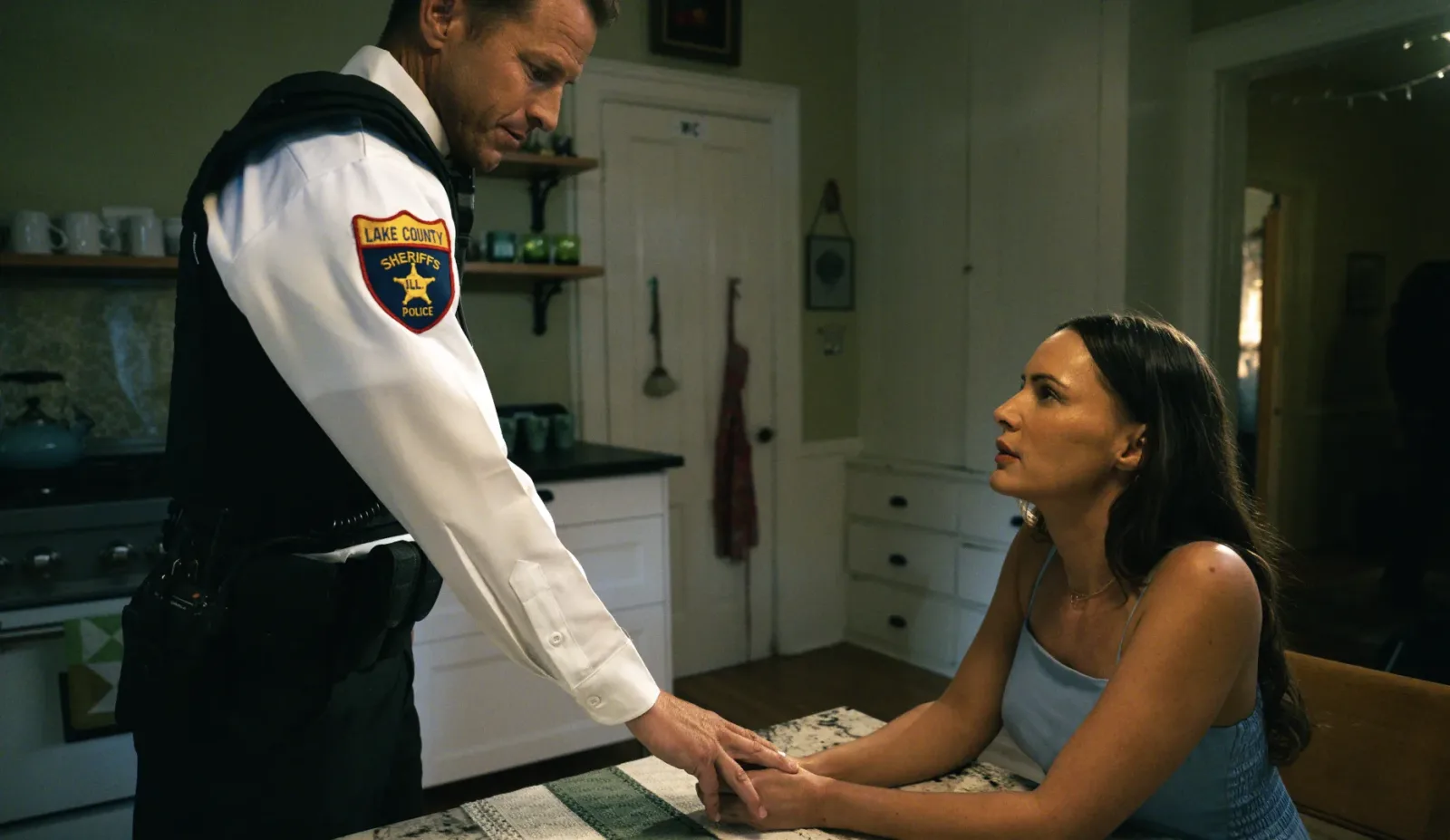
“The Caretaker Next Door” gives its heroine what appears to be the ideal hiding place and then steadily turns it against her. Eve Mauro stars as Willow Stevenson, a prosecutor whose role in putting a dangerous criminal behind bars leaves her worried about retaliation. Rather than remain in the city, Willow retreats to the farmhouse that belonged to her late grandmother. The plan sounds sensible until Luke Carson, the caretaker played by Colin Egglesfield, becomes considerably more threatening than the danger she was trying to escape.
Directed by Jeff Wentworth, the Lifetime Movie Network thriller was developed under the title “Unlawful Attraction,” a name that still appears in some production credits. Joanna Evans, who co-wrote the screenplay with Riley Weston, also lists the project under that earlier title. The finished movie is now being released as “The Caretaker Next Door,” with its television premiere set for August 21, 2026.
The movie was produced in Illinois, with Chicago and the surrounding area forming the main production base. The location strategy is relatively simple but effective: urban Chicago handles Willow’s legal and professional world, while a private rural property outside the central city provides the isolation needed for the farmhouse storyline.
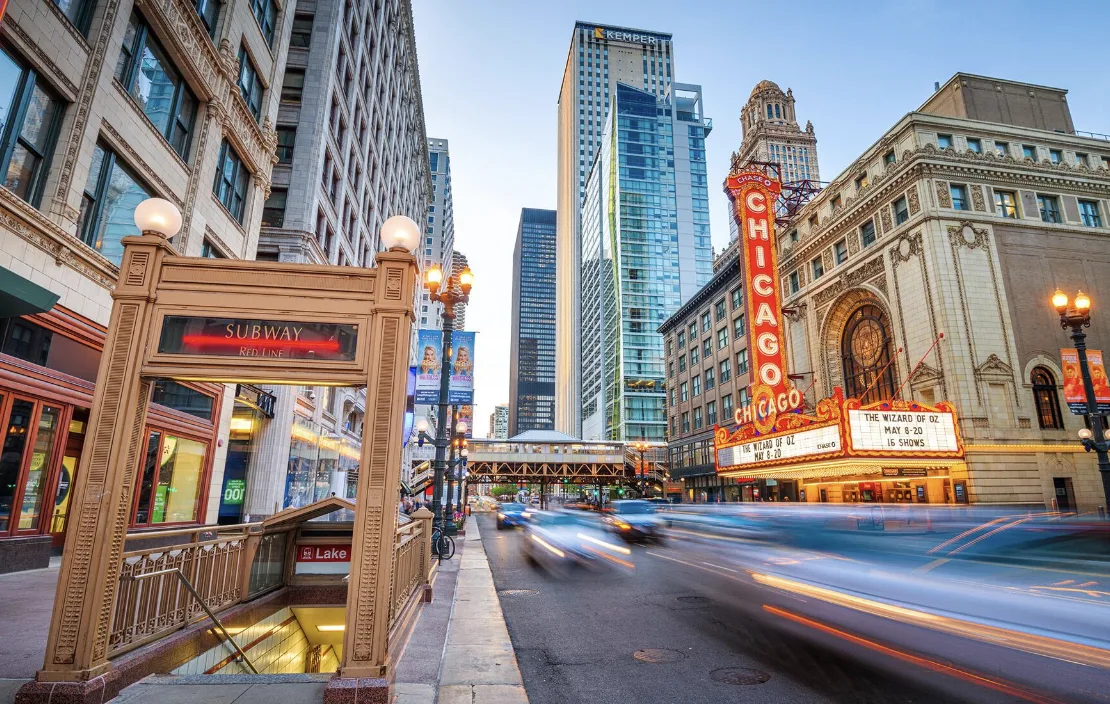
Chicago, Illinois
Chicago anchors the first side of Willow’s life, before she retreats from the consequences of the conviction.
The story requires a convincing metropolitan legal environment, and Chicago provides it without needing to imitate another American city. Streets, offices and institutional architecture establish Willow as someone accustomed to working in a much busier environment than the country property where most of the danger eventually unfolds.
Available public material has not produced an address-by-address filming list for the Chicago shoot. That means recognizable landmarks such as Willis Tower, Navy Pier or Buckingham Fountain should not automatically be called filming sites simply because Chicago skyline material may appear in establishing shots.
The safer distinction is that Chicago itself is part of the filming footprint, while individual downtown landmarks have not been confirmed as places where Mauro, Egglesfield or the supporting cast actually performed scenes.
That restraint is useful for this particular movie. “The Caretaker Next Door” is not interested in presenting Chicago as a tourism showcase. The city is primarily there to establish the professional world Willow is leaving behind.
Where Was the Courthouse Filmed?
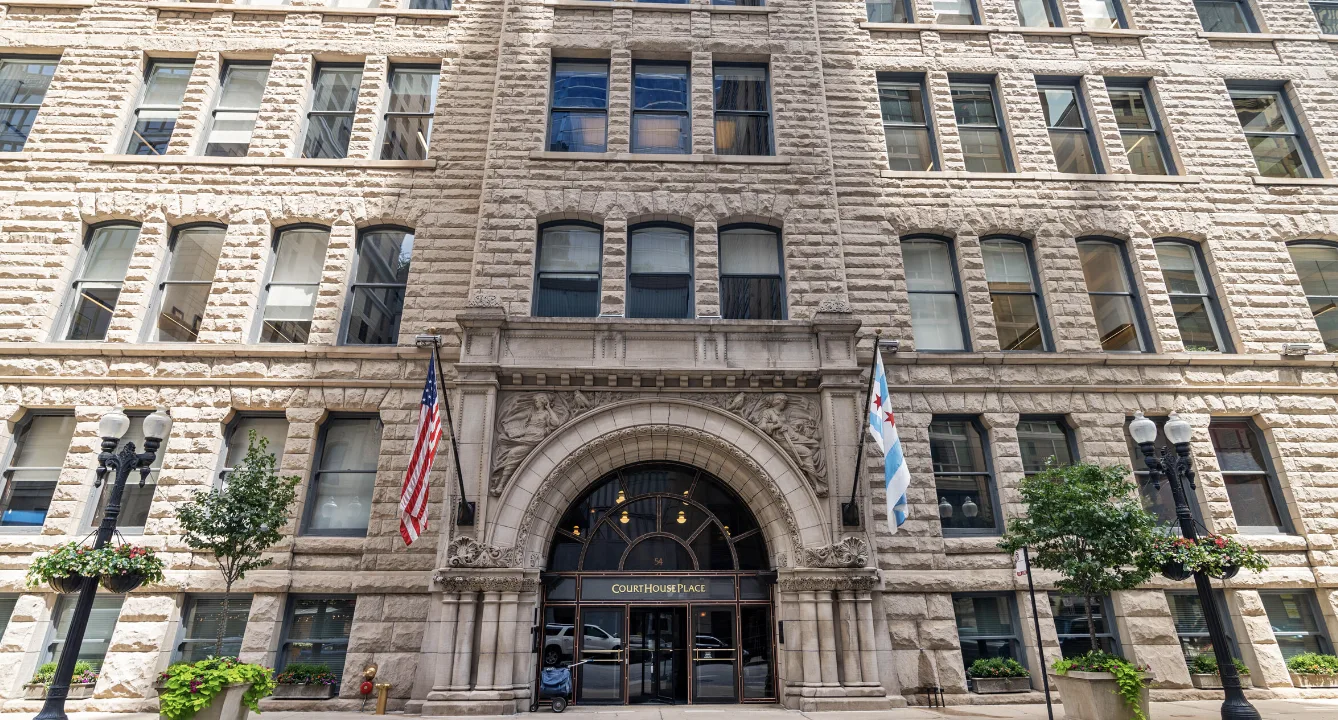
The movie’s opening legal storyline includes the high-profile prosecution that forces Willow into hiding, but the specific Chicago courthouse used for those scenes has not been publicly identified.
Chicago has no shortage of real judicial buildings and institutional interiors that could support such material, but connecting the production to the Daley Center, Dirksen Federal Building or another courthouse without a production notice would be guesswork.
It is also possible that the courtroom interiors were created inside another municipal building or private location. Television movies frequently combine the exterior of one property with the interior of another, particularly when courtrooms need to accommodate camera equipment, lighting and multiple shooting angles.
For now, the courthouse belongs on the list of important fictional settings rather than confirmed named Chicago locations.
The Grandmother’s Farmhouse
The farmhouse is easily the most important location in “The Caretaker Next Door.” Once Willow arrives there, the movie’s scale narrows dramatically.
Production information connected with the film places these scenes at a real rural residential property in the greater Chicago area, rather than a farmhouse constructed entirely on a soundstage. The isolated setting gives the thriller something that urban Chicago cannot: distance from neighbors, open land and the uncomfortable sense that help may not arrive quickly if Willow realizes she has trusted the wrong person.
The exact property and municipality have not been disclosed publicly. That is an important limitation because the house appears to be a private residence rather than a commercial filming attraction.
Anyone trying to identify it from exterior shots should therefore be cautious. Northern Illinois and the counties surrounding Chicago contain countless farmhouses and country properties with similar architecture, tree lines and agricultural surroundings.
What matters onscreen is the contrast. Chicago represents Willow’s structured life as an attorney, where danger can theoretically be handled through courts and law enforcement. At the farmhouse, those protections feel much farther away.
Rural Illinois Creates the Isolation
Moving beyond central Chicago also allows the filmmakers to use a side of Illinois that screen audiences do not always associate with the city.
Drive far enough from downtown and the dense skyline quickly gives way to farmland, long roads, scattered homes and large stretches of open property. That visual change is ideal for Willow’s supposed safe house.
The production does not need mountains, wilderness or an exaggerated horror-movie cabin to make the location unsettling. An ordinary farmhouse surrounded by enough empty land can do the job more convincingly.
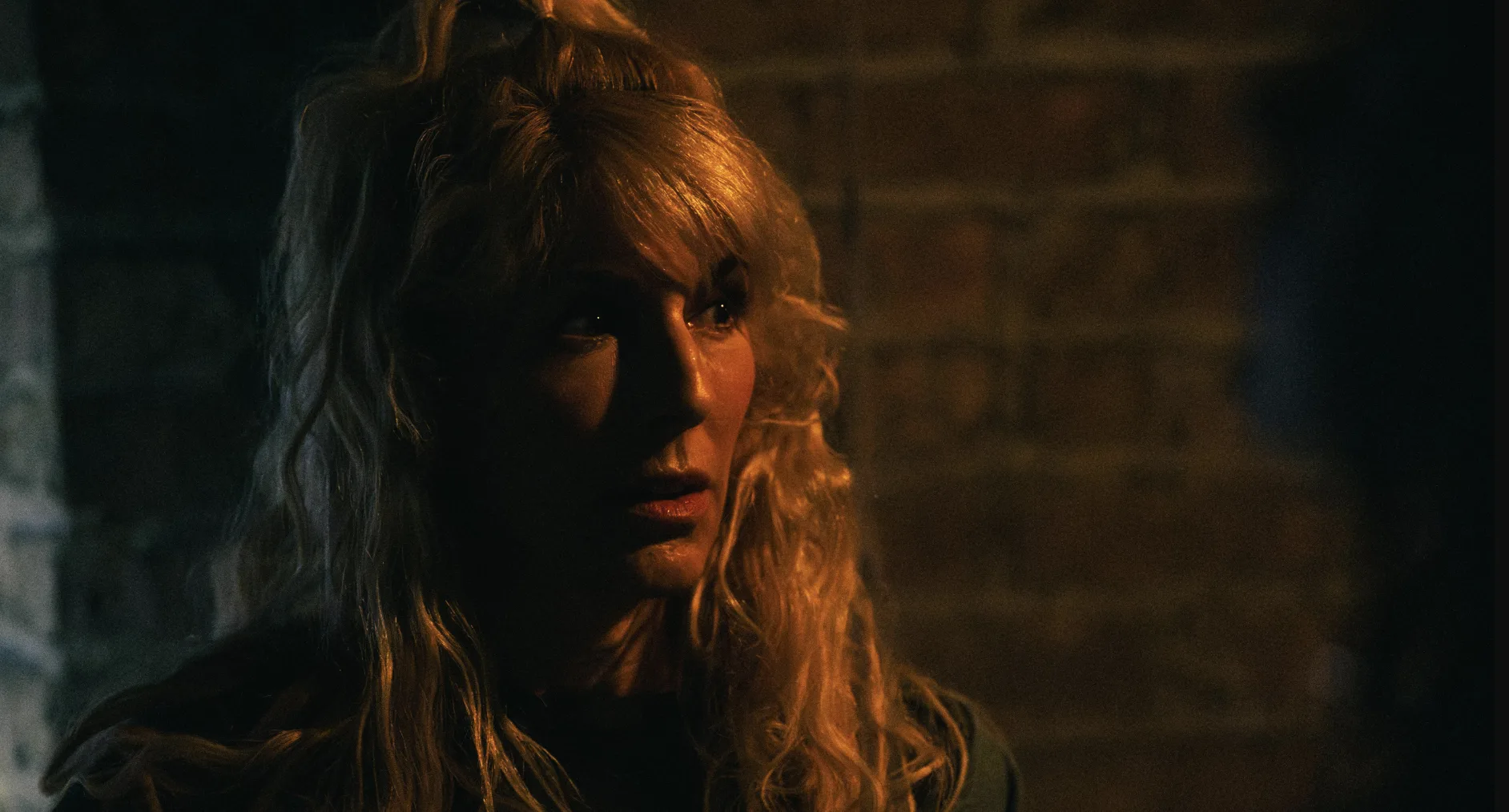
That choice fits the psychological side of the story. Willow does not knowingly enter a threatening place. She goes somewhere connected to family and assumes Luke is there to help maintain it. The house becomes frightening because her understanding of the people inside it changes, not because the building initially looks sinister.
Also Read: Facing El Chapo Filming Locations
When Was The Caretaker Next Door Filmed?
Production information associated with the movie places filming in spring 2026, with principal photography reported around May. The shoot appears to have been relatively short, which is typical for a television thriller of this scale.
The project was still widely identified during production as “Unlawful Attraction.” Even close to release, some entertainment schedules continued using that name, while current Lifetime Movie Network listings and Rotten Tomatoes use “The Caretaker Next Door.”
That title change can make location research confusing. Searches using only the finished Lifetime name miss production records and cast credits filed under the earlier title.