The Guest Who Never Left Filming Locations
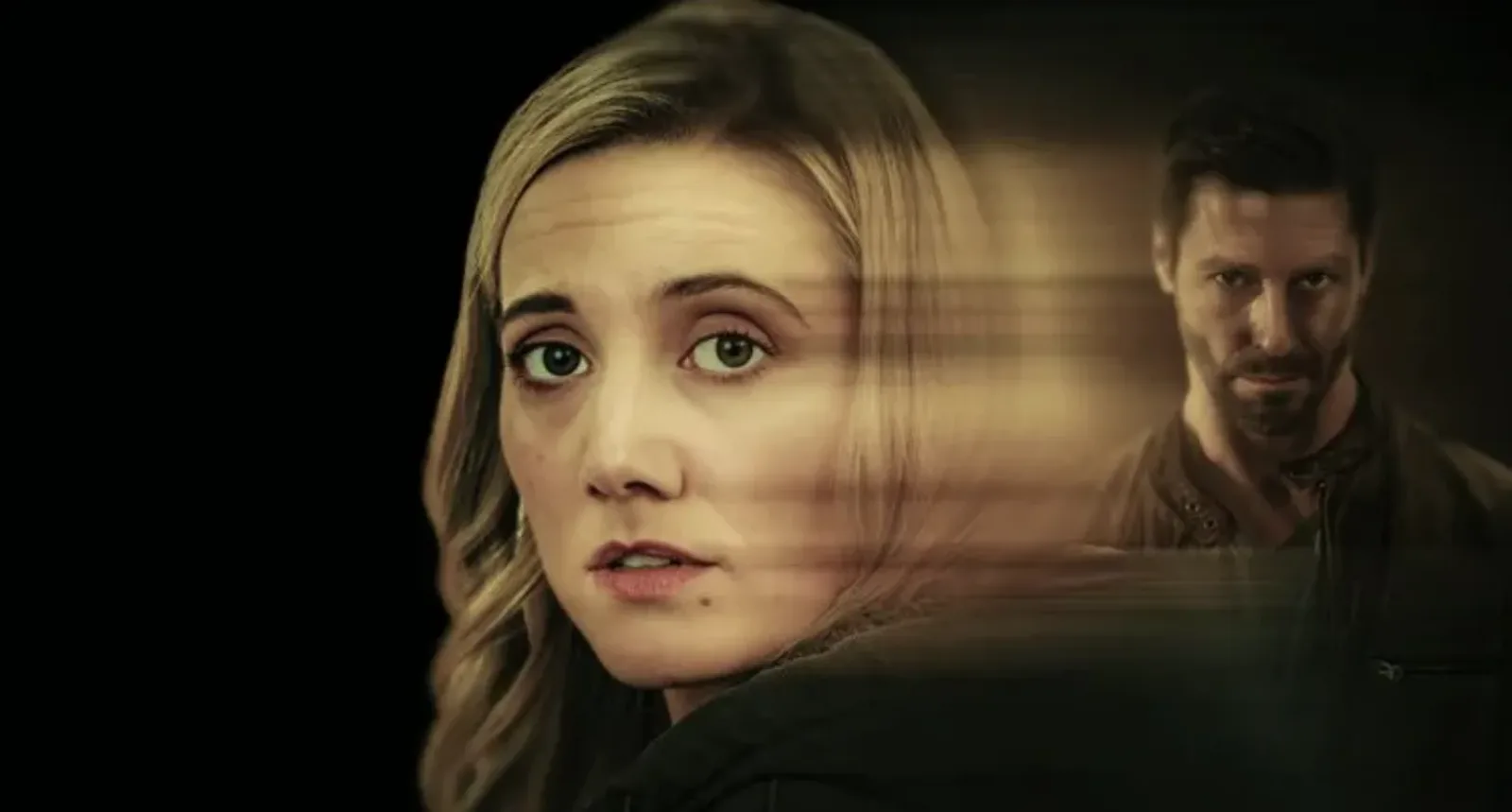
“The Guest Who Never Left” turns the idea of a smart home into something considerably less reassuring. Felisha Terrell plays Anna Stone, the editor-in-chief of a successful news magazine who is expecting her first child with husband Daniel, played by Jason MacDonald. Daniel happens to run an AI-focused home security company, and the couple’s impressive…
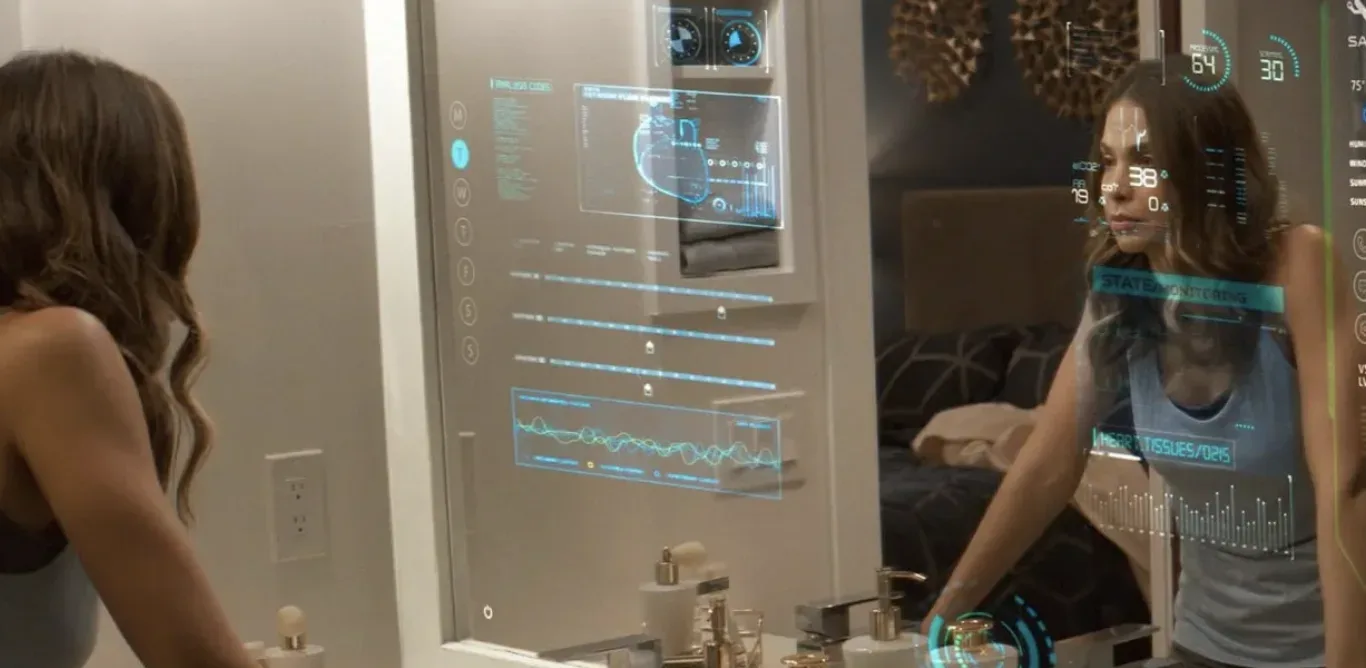
“The Guest Who Never Left” turns the idea of a smart home into something considerably less reassuring. Felisha Terrell plays Anna Stone, the editor-in-chief of a successful news magazine who is expecting her first child with husband Daniel, played by Jason MacDonald. Daniel happens to run an AI-focused home security company, and the couple’s impressive house is equipped with his advanced system, Kiera. When an unexpected guest enters their carefully controlled life, the technology designed to protect them becomes another source of uncertainty.
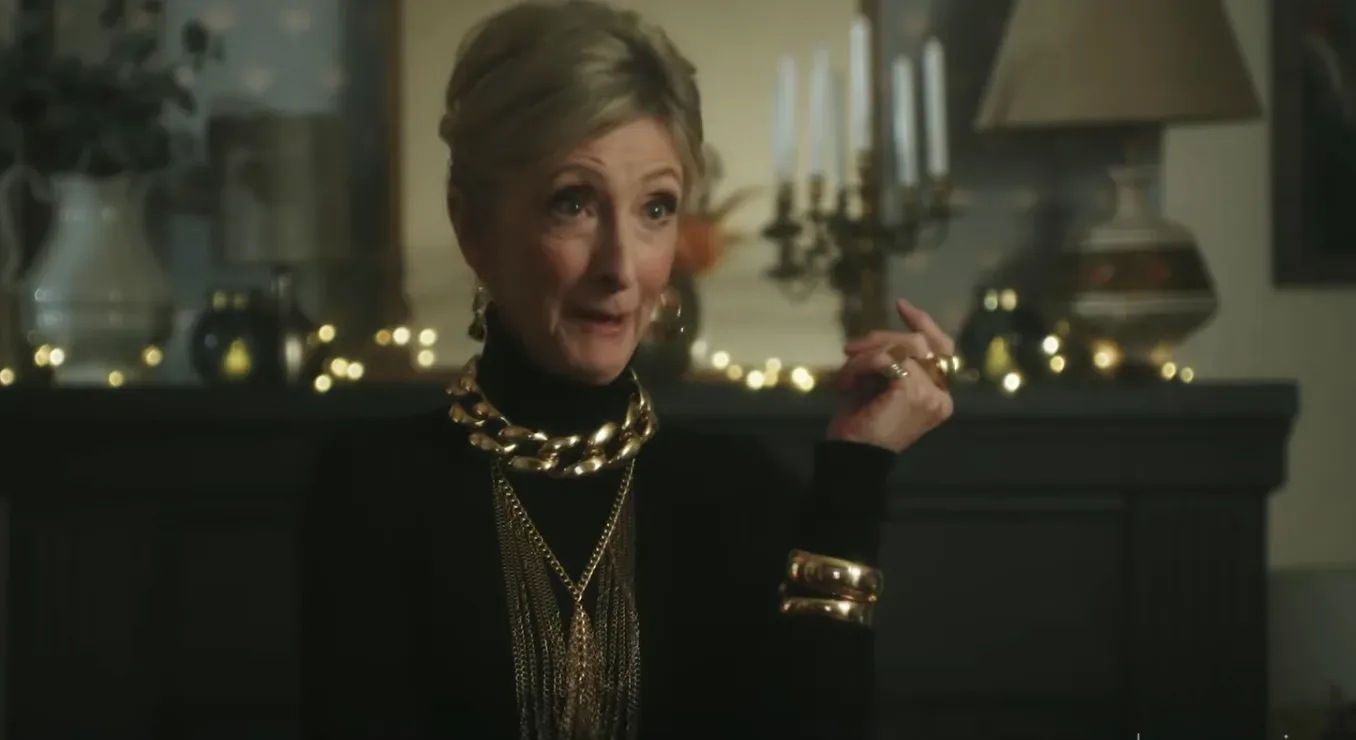
Directed by Jacob Vaughan, the thriller was originally produced and promoted as “Home Safe” before being acquired for its Lifetime run under the new title “The Guest Who Never Left.” Lifetime premieres the movie on August 16, 2026, with streaming available the following day. Crazy Legs Productions still lists the project under its original title.
The movie was filmed in Georgia, with the production concentrated around Metro Atlanta. Confirmed locations include Atlanta itself, a residential property in Douglasville and the campus of Clayton State University in Morrow.
Douglasville Provides the Stone Family Home
The most important location in the movie is the modern home occupied by Anna and Daniel. Far more than a background, the house becomes part of the thriller’s machinery. Doors, cameras, security systems and Kiera’s constant electronic presence mean the building gradually shifts from a luxury retreat into a place where privacy is difficult to trust.
That house was filmed at a real residential property in Douglasville, Georgia, west of Atlanta. Production-location records specifically identify Douglasville as the site used for the Stone home.

The exact address has not been made public, which is probably for the best because the property appears to be a private residence rather than a commercial filming attraction. What mattered to Vaughan and the production team was the house’s contemporary design. Large rooms, clean architectural lines and enough separation from neighboring properties help sell Anna and Daniel’s financially comfortable but increasingly isolated life.
The location also plays nicely against the movie’s central joke. Daniel builds technology meant to make a home safer than ever, yet his own house becomes the place where control starts slipping away.
Atlanta, Georgia
The wider production was based in Atlanta, which is officially listed among the movie’s filming locations. Crazy Legs Productions is itself an Atlanta company, and the city provided the broader production infrastructure required for the feature.
“The Guest Who Never Left” does not use Atlanta in the same way an action movie might. There are no extended skyline sequences designed to announce the city every few minutes. Instead, Atlanta functions as a flexible contemporary backdrop for Anna’s professional life, Daniel’s technology business and the investigative side of the story.
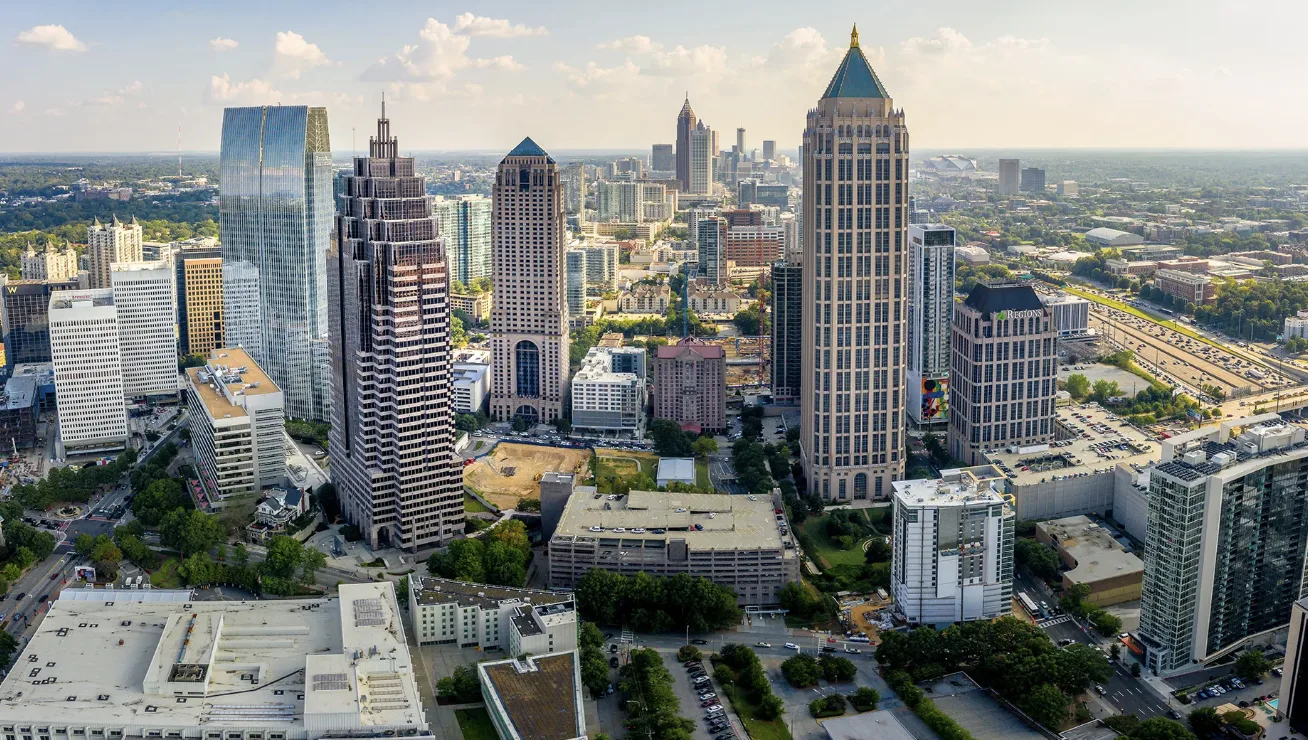
That understated use of the city is a good fit. The movie wants Anna and Daniel’s world to feel prosperous but ordinary enough that the threat entering it seems plausible. A highly recognizable tourist district would have worked against the increasingly closed-in atmosphere Vaughan is building.
Clayton State University, Morrow
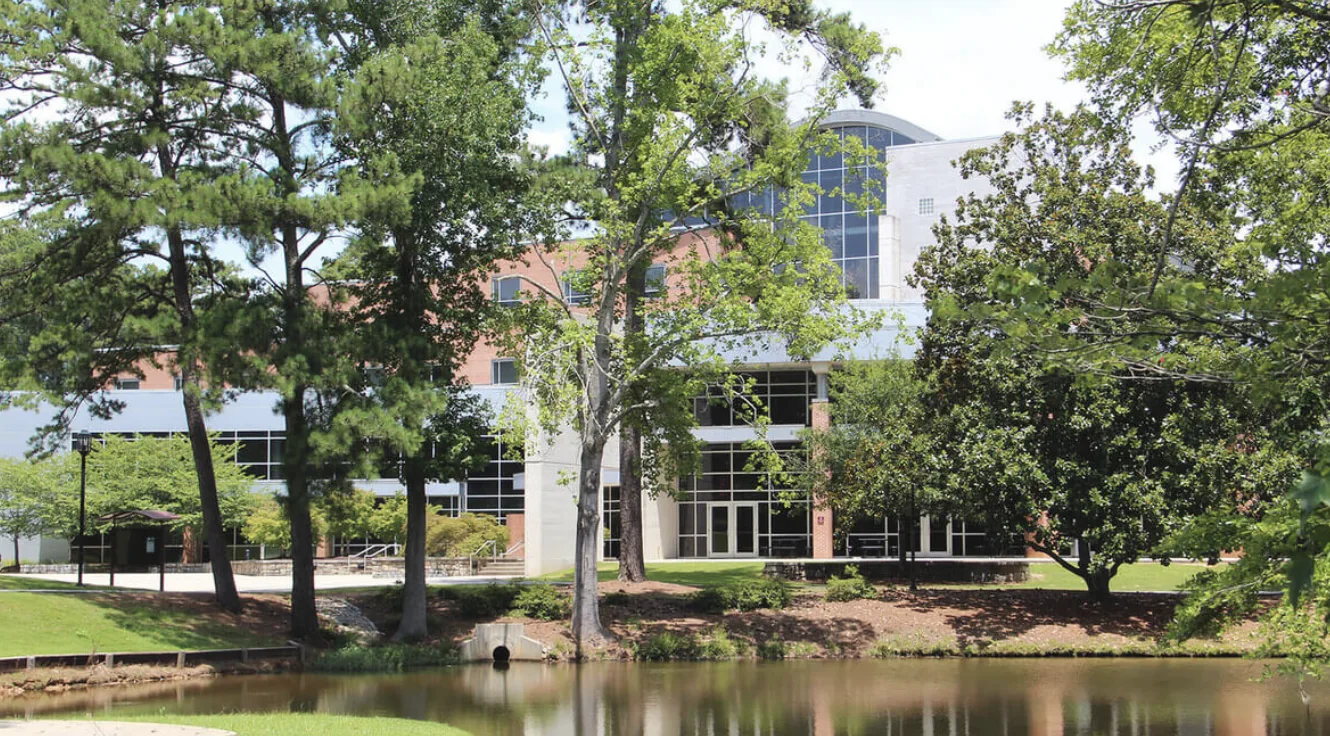
Another confirmed location is Clayton State University at 2000 Clayton State Boulevard in Morrow, south of Atlanta. IMDb’s filming records list the university specifically rather than simply naming Morrow as a general shooting area.
Clayton State has a landscaped, park-like campus containing modern academic buildings, wooded areas and lakes. The university is also accustomed to commercial film activity, with its own financial records documenting income connected to outside productions using campus facilities.
No reliable public source has identified which finished scenes were shot in a particular Clayton State building. For that reason, it would be misleading to assign the campus to Anna’s magazine offices, Daniel’s company or another fictional institution without stronger evidence.
What can be said confidently is that the campus formed part of the Atlanta-area production footprint. Because it offers contemporary interiors and institutional architecture within one controlled property, it gives filmmakers several looks without requiring repeated moves across the city.
Was The Guest Who Never Left Really Filmed in 2023?
The production history is messier than the locations themselves.
Deadline publicly announced Felisha Terrell, Jason MacDonald and Mira Sorvino’s involvement in “Home Safe” on October 31, 2023. Crazy Legs Productions continues to use that original title, while distribution databases variously date the finished movie to different years. Apple TV, for example, currently lists “Home Safe” as a 2025 release, while Lifetime presents “The Guest Who Never Left” as a 2026 movie.
Because the available metadata conflicts, attaching an exact principal-photography start and wrap date is less certain than the Georgia locations. The safest conclusion is that the project was developed and produced under “Home Safe” before being repackaged for Lifetime under its current title.
That title change also explains why searching only for “The Guest Who Never Left filming locations” produces a thinner trail. Most production records remain filed under “Home Safe.”
Also Read: Camp Rock 3 Filming Locations
Why Georgia Works for the Movie
The location strategy is deliberately compact. Douglasville provides the central residence, Atlanta supports the urban and production needs, and Clayton State supplies an additional institutional setting.
There is no need for the movie to jump between spectacular landmarks because most of its suspense depends on characters being trapped in spaces that initially feel controlled and familiar. The Stone house is especially effective because its modernity is part of the problem. Every polished surface and connected device is supposed to signal security.
Instead, the more sophisticated the house appears, the more uncomfortable it becomes when Anna can no longer be certain who, or what, is actually in control.1